Common volleyball digging mistakes and how to fix them
Introduction
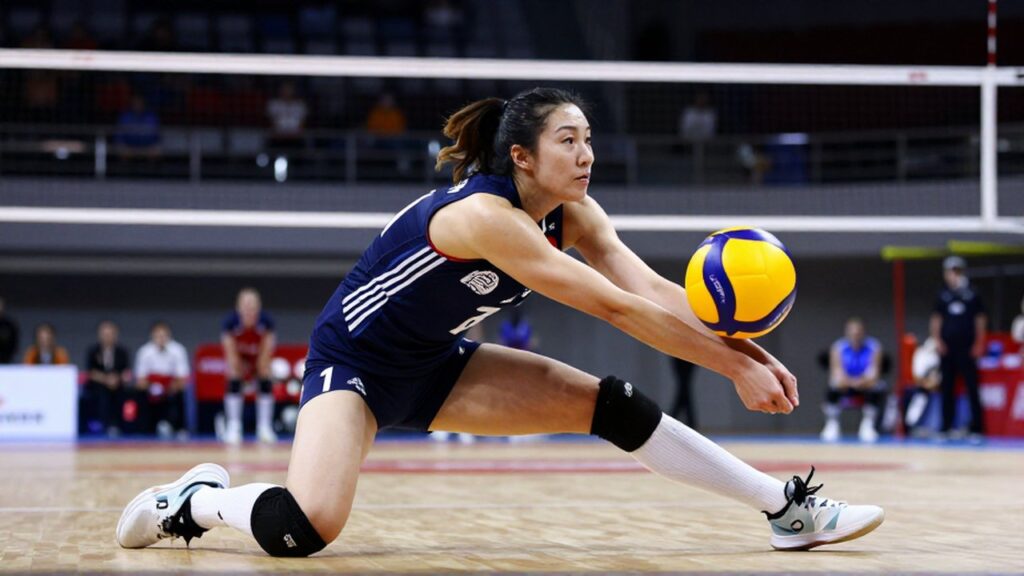
Digging is one of the most critical defensive skills in volleyball, serving as the first line of defense against powerful attacks. A successful dig allows a team to transition from a defensive stance to an offensive opportunity by controlling a hard-driven ball and directing it toward the setter. Without precise digging techniques, a team's rhythm is broken, making it nearly impossible to run effective plays or maintain momentum during a rally.
Mastering this skill requires a combination of lightning-fast reflexes, precise body positioning, and disciplined platform control. For players looking to improve, understanding common technical errors is the first step toward defensive excellence. By identifying these mistakes, athletes can move away from reactive, panicked movements and toward proactive, controlled defensive maneuvers that stabilize their team's performance.
Poor platform stability and arm positioning
One of the most frequent errors in digging is the lack of a stable platform. Many players attempt to dig the ball with bent elbows or by swinging their arms wildly at the ball. When the arms are not locked or the platform is inconsistent, the ball will often fly off in an unpredictable direction, making it difficult for the setter to make a play.
To fix this, focus on creating a flat, wide surface with your forearms. Keep your elbows locked straight and press your wrists together to ensure your forearms stay aligned. Instead of swinging your arms upward to meet the ball, use your legs to move toward the ball and "absorb" the impact by tilting your platform toward your target. A steady platform acts like a controlled ramp rather than a swinging bat.
Incorrect stance and weight distribution
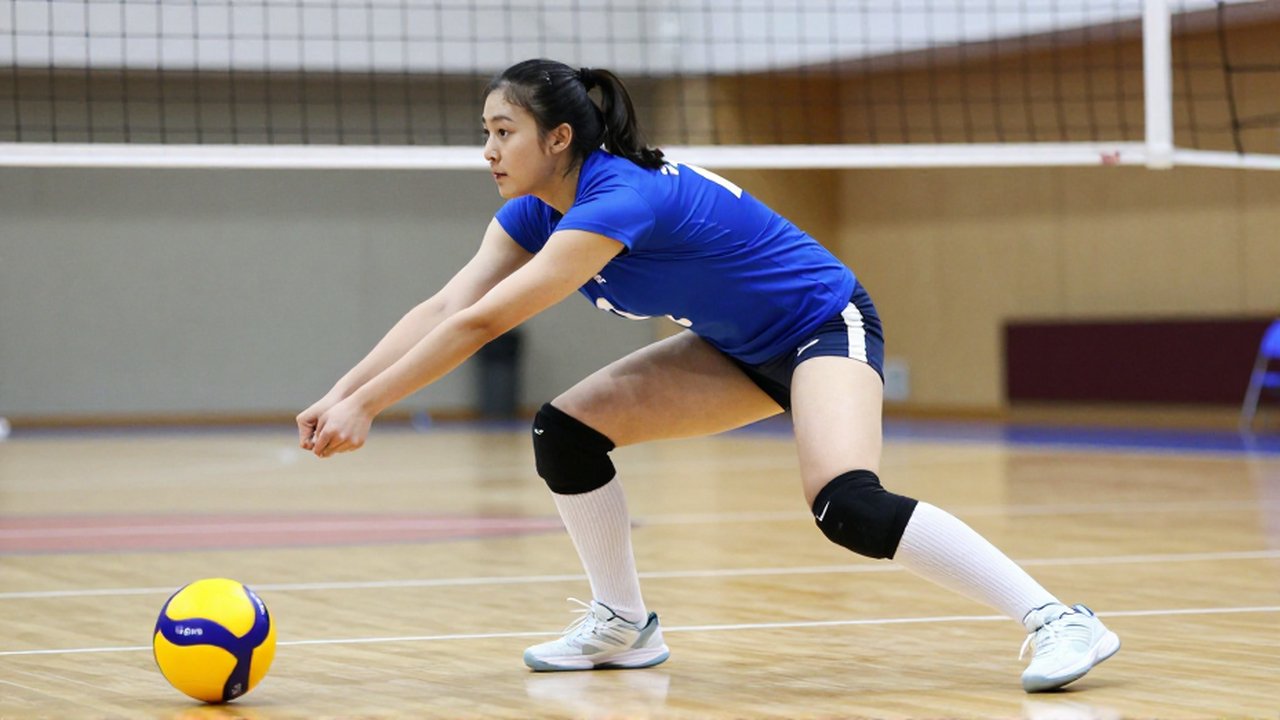
Defensive errors often stem from being caught "flat-footed" or standing too upright. If a player's weight is centered on their heels, they will struggle to react to fast-paced spikes or tip shots. A static stance results in late reactions, forcing the player to reach or dive awkwardly, which often leads to poor contact.
The solution is to adopt a low, athletic base. Keep your feet slightly wider than shoulder-width apart, bend your knees deeply, and keep your weight on the balls of your feet. This "ready position" allows for explosive lateral or forward movement. By staying low, you decrease the distance your body must travel to reach the ball, providing more time to adjust your platform before contact.
Miscalculating ball trajectory and timing
Many players commit the mistake of moving toward where the ball is currently, rather than where it will be. This causes players to be "under" the ball too late, resulting in a desperate reach or a body collision with the floor. Miscalculating the speed and angle of an opponent's hit often leads to a "shanking" effect, where the ball hits the arms at an awkward angle.
To correct this, work on your reading skills. Watch the hitter's shoulder and hand contact to anticipate the direction of the ball. Instead of reacting to the movement, try to predict the path. Practice "shadow digging" drills where you mimic the movement of reaching the ball's projected landing spot. Proper timing involves moving early so that you can arrive at the contact point and set your platform before the ball reaches you.
Over-committing to dives and rolls
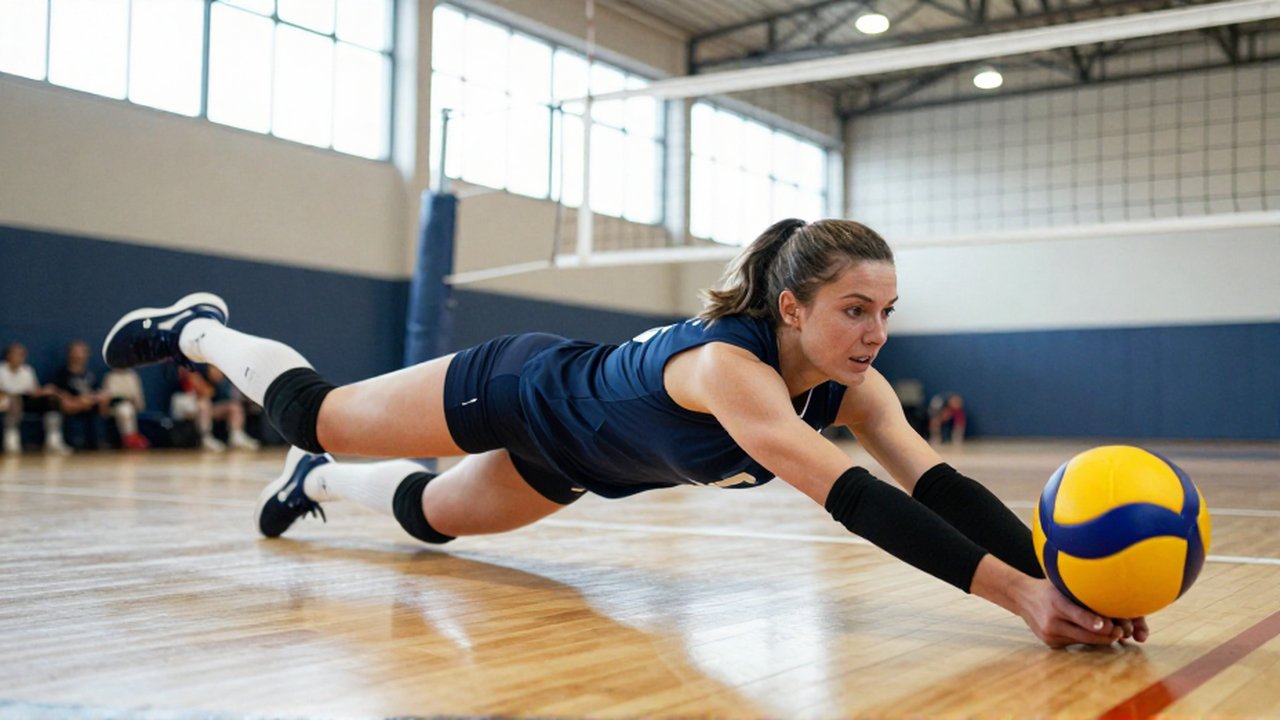
While diving is a necessary part of high-level defense, many beginner and intermediate players rely on it too heavily. Constant diving instead of using fundamental footwork leads to exhaustion and leaves the player out of position for the next play. Furthermore, a failed dive often leaves the player face-down on the floor, unable to recover for a secondary touch.
The fix is to prioritize footwork over desperation. Every dive should be a last resort when your feet can no longer get you to the ball. Focus on "small steps" to adjust your position. If you must dive, ensure you are performing a controlled roll or a pancake rather than a heavy impact. Disciplined players move their feet to get their midline behind the ball, which minimizes the need for extreme, high-risk defensive maneuvers.
Summary of common errors and corrections
| Mistake | Consequence | Correction |
|---|---|---|
| Bent elbows | Unpredictable ball direction | Lock elbows and press wrists together |
| Weight on heels | Slow reaction time | Keep weight on the balls of the feet |
| Swinging arms | Loss of platform control | Use legs to move; absorb the impact |
| Reactive movement | Late contact and poor form | Anticipate trajectory and move early |
Frequently asked questions
How can I stop my digs from going too high? To control the height of the dig, avoid swinging your arms upward upon contact. Instead, focus on "shrugging" your shoulders slightly and using your legs to provide the upward momentum while keeping your platform steady.
Why does the ball always fly toward the sideline when I dig? This usually happens because your platform is not angled toward the setter. Ensure that your thumbs are pointed toward the ground and your platform is tilted toward your target at the moment of contact.
Is it better to dig with my hands or my forearms? In volleyball, almost all digs should be performed with the forearms (the platform). Using the hands/fingers is typically reserved for setting or very specific emergency situations, as the forearms provide a much larger and more controllable surface area.
Leave a Reply