Fundamentals of serving in competitive volleyball
Introduction
In competitive volleyball, the serve is more than just a way to put the ball into play; it is the first opportunity a team has to exert offensive pressure. A well-executed serve can disrupt the opponent's transition, force errors, or even result in an immediate point. Mastering the fundamentals of serving is essential for any player looking to transition from recreational play to organized, competitive environments.
Understanding the mechanics of different serve types and the tactical application behind them allows players to influence the rhythm of the match. Whether the goal is to achieve maximum velocity or to place the ball in a specific zone to confuse the receivers, a successful serve relies on consistency, timing, and technical precision.
Importance of the serve in competitive play
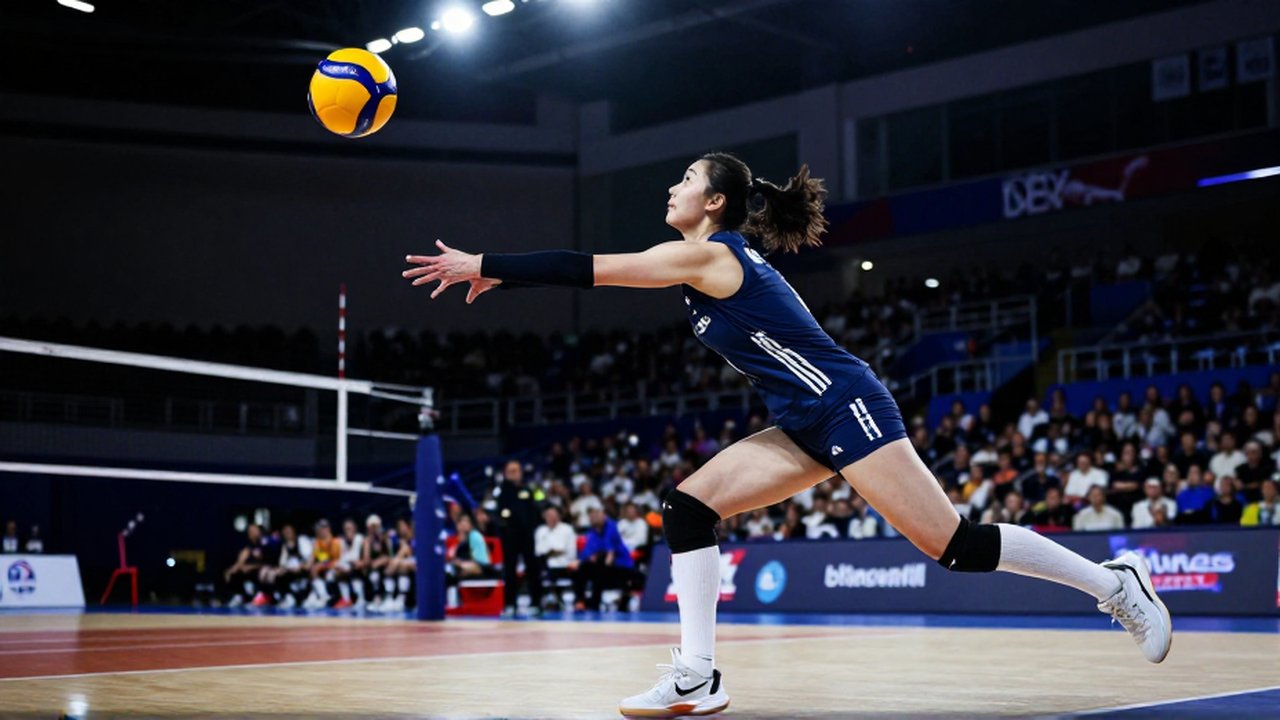
In high-level volleyball, the serve functions as a strategic weapon. While many novice players view the serve simply as a way to start the rally, competitive players use it to dictate the flow of the game. By targeting specific players or zones, a server can break the opponent's "system," making it difficult for the setter to execute an organized attack.
A powerful serve can force a "poor pass," which prevents the opposing team from running their preferred offensive plays. Conversely, a tactical float serve can be just as effective by creating unpredictable movement in the air, causing confusion during the reception phase. Mastering these nuances is what separates a player who merely starts play from one who actively wins points.
Core mechanics of a successful serve
Regardless of the specific type of serve being used, several fundamental mechanical principles must be present to ensure consistency and power.
First, the stance and balance are critical. A player must have a stable base, usually with one foot slightly ahead of the other, to allow for a controlled transfer of weight. If the base is unstable, the toss and the contact will likely be inconsistent.
Second, the toss is arguably the most important variable. The toss must be consistent in height, depth, and rotation. If the toss is too far forward, the player will be forced to lean; if it is too low, they will not be able to use their full strength. In competitive play, a repeatable toss is the foundation of a reliable serve.
Third, the contact point must be firm and precise. For power serves, this involves a high contact point with a stiff hand. For float serves, it requires hitting the center of the ball with a "dead" hand to minimize spin, causing the ball to wobble through the air.
Common types of serves in volleyball
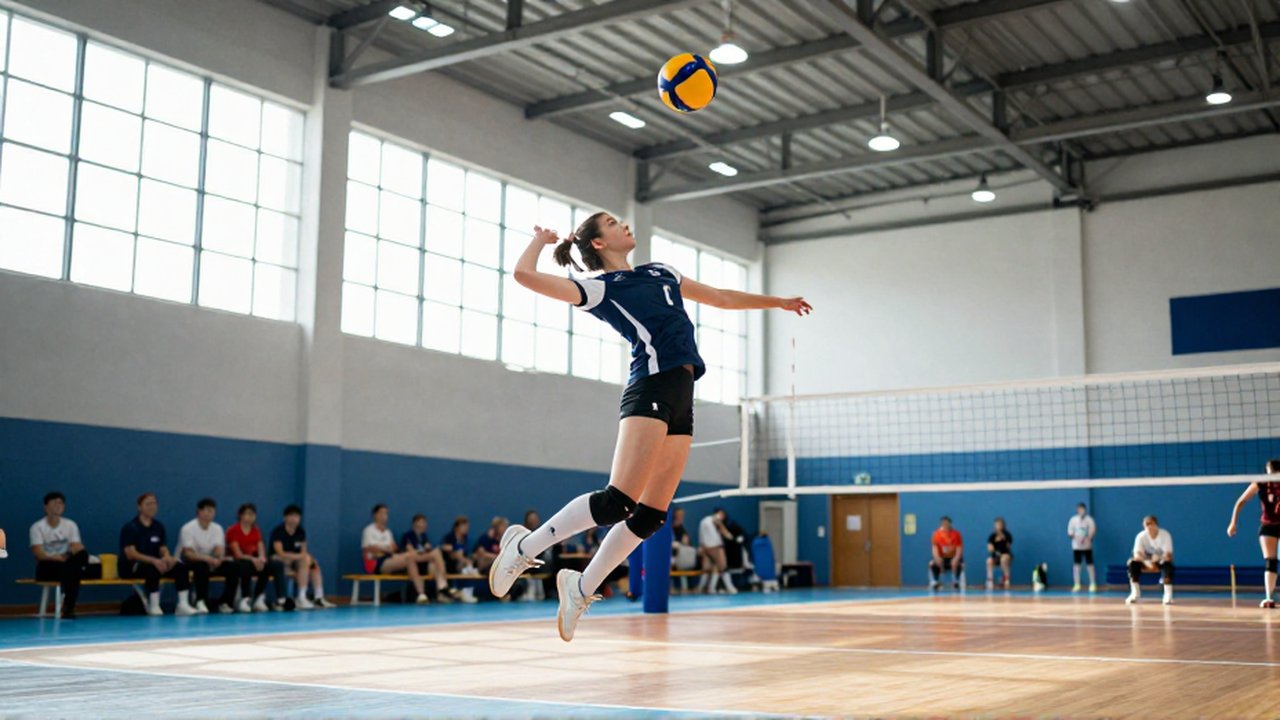
Competitive players choose their serve based on the game situation and their own physical capabilities. The three most common types include:
| Serve Type | Primary Objective | Key Characteristic |
|---|---|---|
| Underhand Serve | Consistency and safety | Lower difficulty; rarely used in high-level competitive play. |
| Float Serve | Unpredictability | Hits the ball without spin, causing it to move erratically in the air. |
| Jump Serve | Maximum power | Uses a full approach and high contact to generate extreme velocity. |
The Float Serve is a staple in competitive volleyball because it is difficult to track. Because the ball does not spin, aerodynamic forces cause it to "dance" or drop suddenly, making it a nightmare for receivers to predict the trajectory.
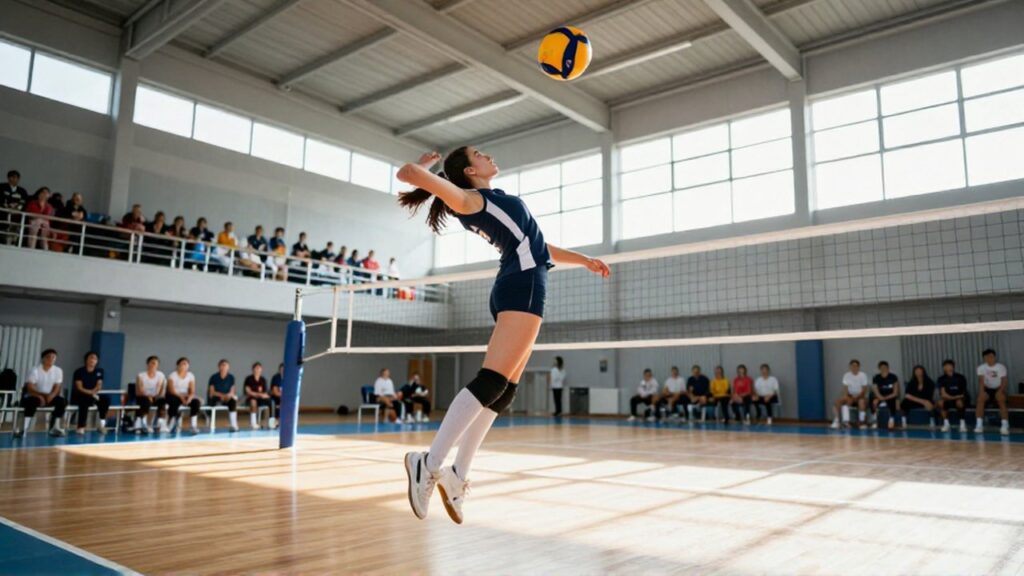
The Jump Serve is the most aggressive option. It requires significant athleticism and timing, as the player tosses the ball high, takes a rhythmic approach, and strikes the ball at its peak. While it carries a higher risk of hitting the net or going out of bounds, the reward is a high probability of an ace or a weak return.
Common mistakes to avoid
Even experienced players can struggle with serving if they fall into certain technical traps. One of the most frequent errors is inconsistent toss height. If the toss varies even slightly each time, the player cannot develop a rhythmic swing, leading to errors in contact.
Another common mistake is over-swinging. In an attempt to hit the ball harder, players often use too much muscular tension, which actually slows down the arm speed and reduces control. A relaxed but fast arm movement is generally more effective than a stiff, slow one.
Lastly, players often forget directional control. Aiming for the center of the court is a common error; competitive serving requires aiming for the seams between players, the deep corners, or the short zones to maximize disruption.
Frequently asked questions
How can I improve my serving consistency? Focus heavily on your toss. A consistent, repeatable toss is the most effective way to ensure your contact point remains the same every time you serve.
What is the difference between a float serve and a topspin serve? A float serve is hit with a flat hand to eliminate spin, causing the ball to move unpredictably. A topspin serve is hit with a brushing motion that creates forward rotation, causing the ball to dip quickly.
Should I always go for a powerful jump serve? Not necessarily. While power is useful, a high-quality float serve that targets difficult zones can often be more effective and carries much less risk of an unforced error.
Why does my serve keep hitting the net? This is usually due to a low contact point or a toss that is too close to your body. Ensure you are reaching high and hitting the ball at the peak of your contact window.
Leave a Reply