Fundamental rules for starting a baseball training program

Introduction
Starting a baseball training program is a structured process designed to transform raw physical potential into specialized athletic skill. This type of program is essential for young athletes, amateur players, or individuals looking to transition into the sport, as it provides the technical foundation necessary to play safely and competitively. A well-organized regimen ensures that players develop coordination, strength, and tactical awareness simultaneously, preventing the development of bad habits that are difficult to correct later in a player's career.
Implementing a training program is most appropriate during the pre-season or during regular off-season developmental periods. It matters because baseball is a highly technical sport that requires a delicate balance of explosive power and fine motor skills. Without a systematic approach, athletes risk injury through repetitive strain or poor mechanics, particularly in high-impact areas such as the throwing arm and lower body.
Core pillars of physical preparation
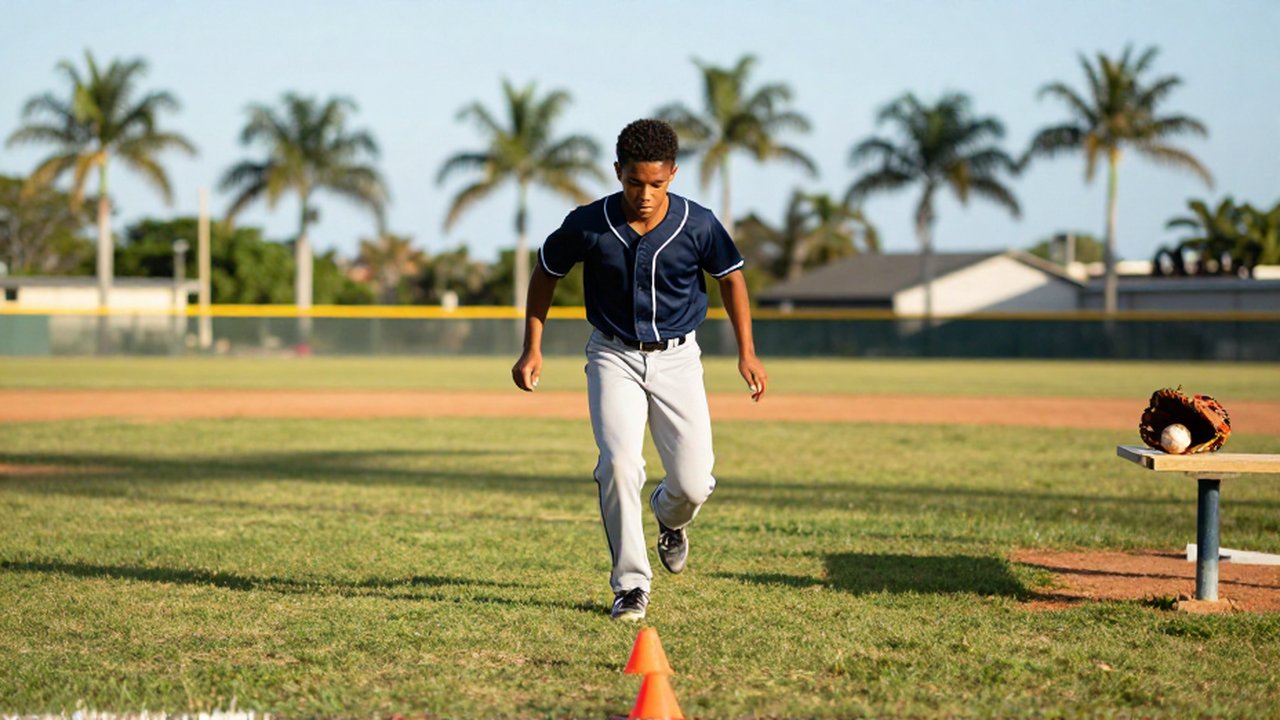
A successful baseball program must be built upon three foundational pillars: mobility, strength, and cardiovascular endurance. Unlike many team sports that rely on continuous running, baseball is characterized by short, explosive bursts of movement. Therefore, training should not focus solely on long-distance running, but rather on functional movements that mimic the actions of playing the game.
Strength training should prioritize the "posterior chain"—the muscles in the glutes, hamstrings, and lower back—which are vital for generating power in both hitting and throwing. Additionally, core stability is non-negotiable; a strong core acts as the bridge that transfers energy from the legs to the arms during a swing or a pitch.
Mobility and flexibility training are equally critical to prevent injury. Players need significant rotational mobility in their hips and thoracic spine (upper back) to execute fluid swings and efficient throwing motions. A program that ignores flexibility will eventually lead to decreased performance and a higher likelihood of muscle strains.
Technical skill development guidelines
Once the physical foundation is established, the focus must shift to the technical mechanics of the game. Training should be divided into specific categories: hitting, fielding, throwing, and base running. To ensure progress, developers should follow a progression of complexity, starting with stationary drills before moving to live, dynamic repetitions.
| Skill Category | Primary Focus Areas | Common Training Drills |
|---|---|---|
| Hitting | Hand-eye coordination, swing path, weight transfer | Tee work, soft toss, heavy bat drills |
| Fielding | Glove positioning, footwork, reaction time | Ground ball drills, fly ball tracking |
| Throwing | Arm slot consistency, mechanics, accuracy | Long toss, controlled accuracy drills |
| Base Running | Acceleration, rounding turns, sliding | Sprint intervals, lead-off practice |
It is a fundamental rule to prioritize mechanical correctness over volume. Doing 50 repetitions with poor form is significantly less effective, and potentially more harmful, than doing 20 repetitions with perfect form. Coaches and players should use video analysis or mirror work to ensure that the body is moving in alignment with the desired technical outcome.
Injury prevention and recovery protocols

Baseball places unique stresses on the body, particularly on the ulnar collateral ligament (UCL) in the elbow and the rotator cuff in the shoulder. A rule of any training program must be the strict monitoring of pitch counts and throwing volume. Overuse is the primary cause of injury in baseball athletes, making it essential to schedule "rest days" where no high-intensity throwing occurs.
Effective recovery should include:
- Active Recovery: Light movement like walking or swimming to promote blood flow.
- Standardized Warm-ups: A dynamic warm-up involving leg swings, arm circles, and progressive throwing before every session.
- Post-training Stretching: Static stretching to help muscles return to their resting length after intense exertion.
Athletes should be taught to listen to their bodies. "Good pain," such as muscular soreness from strength training, is expected, but "bad pain," such as sharp or localized discomfort in a joint, must be addressed immediately by pausing the training program and seeking professional guidance.
Common mistakes in early training programs
One of the most frequent errors in beginning a baseball program is focusing too heavily on game situations before mastering individual mechanics. Players often try to play complex defensive positions before they have mastered the basic ability to catch and throw with accuracy. This leads to frustration and a lack of confidence.
Another mistake is the neglect of the "small skills." Many beginners focus entirely on hitting home runs or throwing hard, while ignoring the nuances of footwork, situational awareness, and fundamental glove work. A balanced program treats every aspect of the game with equal importance, ensuring a well-rounded athlete.
Finally, many programs fail to account for individual differences. A "one size fits all" approach rarely works in baseball due to the vast differences in body types and natural athletic tendencies. Training must be adaptable, allowing for adjustments based on a player's specific strengths and weaknesses.
Frequently asked questions
How many days a week should a beginner train? For beginners, three to four days a week is ideal. This allows for consistent skill development while providing enough rest days for the body to recover and adapt to the new physical demands.
Is baseball training more about strength or speed? It is a combination of both, but specifically "explosive strength." While pure speed is useful for base running, the ability to move a heavy object (the bat) or a ball quickly requires functional power generated from the legs and core.
Should I use weights immediately when starting? It is recommended to master bodyweight movements and basic mobility first. Once a player has a baseline level of coordination and stability, they can gradually introduce resistance training to build necessary strength.
How can I tell if I am overtraining? Signs of overtraining include persistent fatigue, a decrease in performance, sleep disturbances, and localized joint pain. If these symptoms occur, it is necessary to reduce training intensity or volume.
Leave a Reply