Comparison between different volleyball glove types
Introduction
In the world of volleyball, players often seek ways to enhance their performance, protect their hands, and improve their grip on the ball. While traditional volleyball is played with bare hands to maintain maximum tactile sensation, various specialized glove types have emerged to serve specific roles. These accessories are primarily used for training, injury prevention, or extreme protection during intense contact drills.
Understanding the differences between various glove types is essential for athletes looking to supplement their physical preparation. Depending on whether the goal is to prevent friction burns, support joints, or improve ball control during specialized drills, the choice of equipment can significantly impact the training experience. Selecting the right tool ensures that the player can practice longer and more effectively without unnecessary discomfort.
Core functions of volleyball gloves
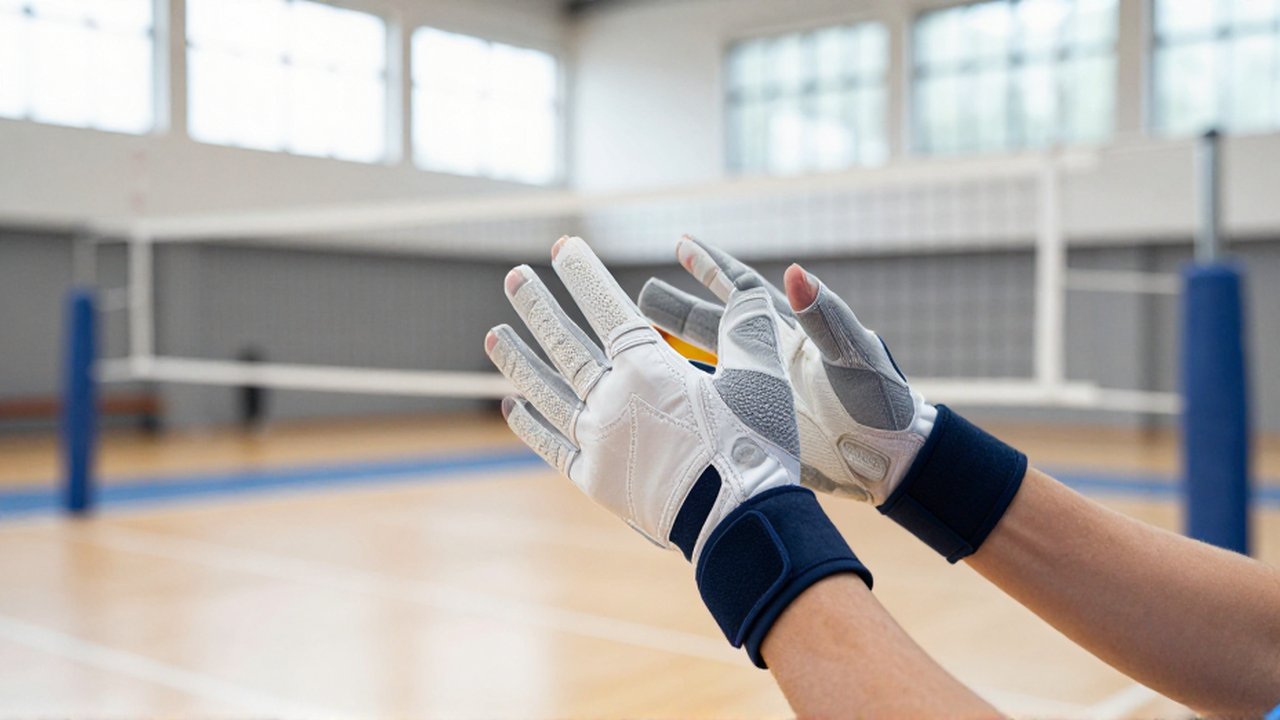
The primary reason athletes utilize gloves in volleyball is not for standard gameplay, but for specialized training environments. In many cases, these accessories serve as a barrier between the skin and the high-velocity impact of the ball. This is particularly important during repetitive hitting drills where the skin on the palms and fingers can become irritated or bruised.
Another critical function is providing stability. Certain types of gloves are designed with compression elements to help stabilize the small joints of the fingers. This can be helpful for players recovering from minor strains or those looking to prevent repetitive motion injuries. Additionally, some gloves are engineered to provide a better grip, helping players manage the ball more efficiently during controlled technical sessions.
Comparison of different glove styles
Not all gloves are created equal, as they are engineered for different physiological and technical needs. Below is a breakdown of the most common types encountered in volleyball training.
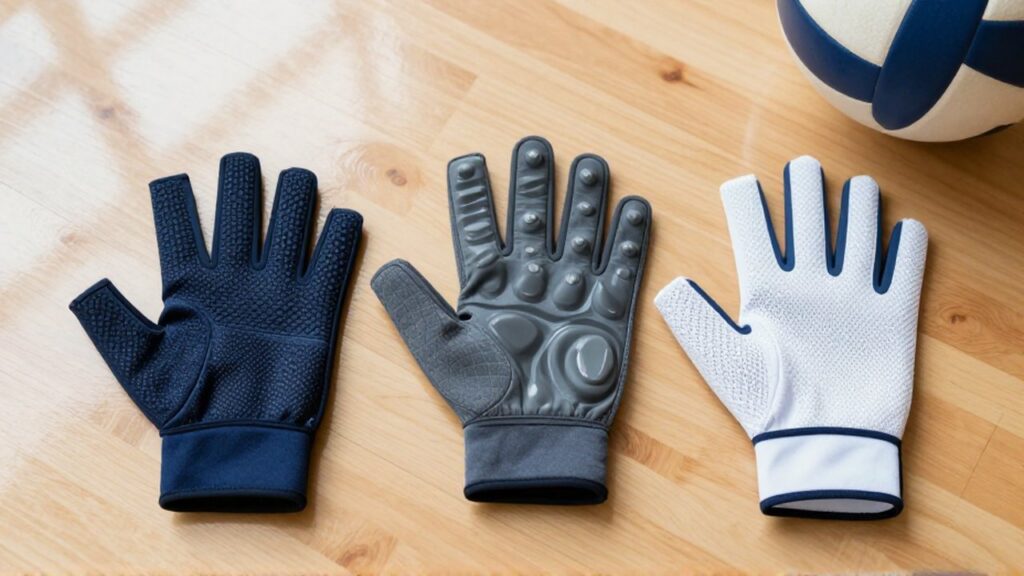
Fingerless training gloves These are perhaps the most common type used by players. They cover the palm and the base of the fingers while leaving the fingertips exposed. This design provides a balance between protection and tactile sensitivity. They are ideal for players who want to prevent blisters and palm irritation while still maintaining the "feel" of the ball required for precision setting and hitting.
Full-finger compression gloves These gloves cover the entire hand and are often made of elasticated, tight-fitting materials. Their main purpose is stabilization and circulation. They are less about grip and more about support. Athletes use them to manage minor swelling or to provide a sense of security to the hand joints during high-impact movements.
Padded impact gloves Designed specifically for heavy-duty training, these feature thicker padding, usually concentrated on the palm and the underside of the fingers. They are used primarily during defensive drills or power-hitting sessions where the impact force is at its highest. While they offer the most protection against bruising, they significantly reduce the player's ability to feel the ball, making them unsuitable for technical skill work.
| Glove Type | Primary Benefit | Tactile Sensitivity | Best Use Case |
|---|---|---|---|
| Fingerless | Blister prevention | High | General skill training |
| Compression | Joint stability | Medium | Injury prevention/recovery |
| Padded | Impact protection | Low | Power and defensive drills |
Criteria for choosing the right equipment

When deciding which type of glove to incorporate into a training regimen, players should consider several decisive factors. The first is the specific objective of the training session. If the goal is to refine the touch needed for setting, a fingerless or thin compression glove is superior. If the goal is to withstand the repetitive shock of a heavy spike, padded options are more appropriate.
Another factor is the level of moisture management. Volleyball training can be intense, leading to significant perspiration. High-quality gloves should be made of breathable, moisture-wicking fabrics to prevent the hands from becoming slippery inside the glove, which could lead to a loss of control or even skin maceration.
Finally, one must consider the balance between protection and proprioception. Proprioception is the body's ability to sense movement, action, and location. In volleyball, "feeling" the ball is a vital skill. If a glove is too thick, it can mask the sensory feedback required to make micro-adjustments during contact, potentially hindering long-term skill development.
Common mistakes when using gloves
A frequent error among beginners is using heavily padded gloves during technical skill sessions. While the protection feels good initially, the lack of tactile feedback can cause the player to develop poor habits, as they are no longer receiving accurate sensory information from the ball.
Another mistake is neglecting hygiene. Because gloves are often worn during intense physical activity, they can trap sweat and bacteria. Failing to wash them regularly can lead to skin irritation, fungal issues, or unpleasant odors. Lastly, relying solely on gloves to treat an existing injury is a risk; gloves are preventative and supportive tools, not medical treatments for significant structural damage.
Frequently asked questions
Can I wear gloves during an actual volleyball match? In most competitive volleyball regulations, players are required to play with bare hands to ensure fairness and maintain the integrity of the game's tactile nature. Gloves are generally restricted to training environments.
Will wearing gloves make my hands stronger? Gloves do not directly increase muscular strength. However, they may allow you to train for longer durations by reducing pain and irritation, indirectly contributing to overall conditioning.
How often should I replace my training gloves? Glove lifespan depends on the intensity of use and material quality. Once the padding compresses significantly or the elastic in compression gloves loses its tension, they should be replaced to ensure continued effectiveness.
Do gloves help with preventing finger injuries? While compression gloves can provide minor support to the joints, they cannot prevent acute injuries like dislocations or fractures caused by high-impact contact.
Leave a Reply