Best wristbands for sweat control during sports training
Introduction
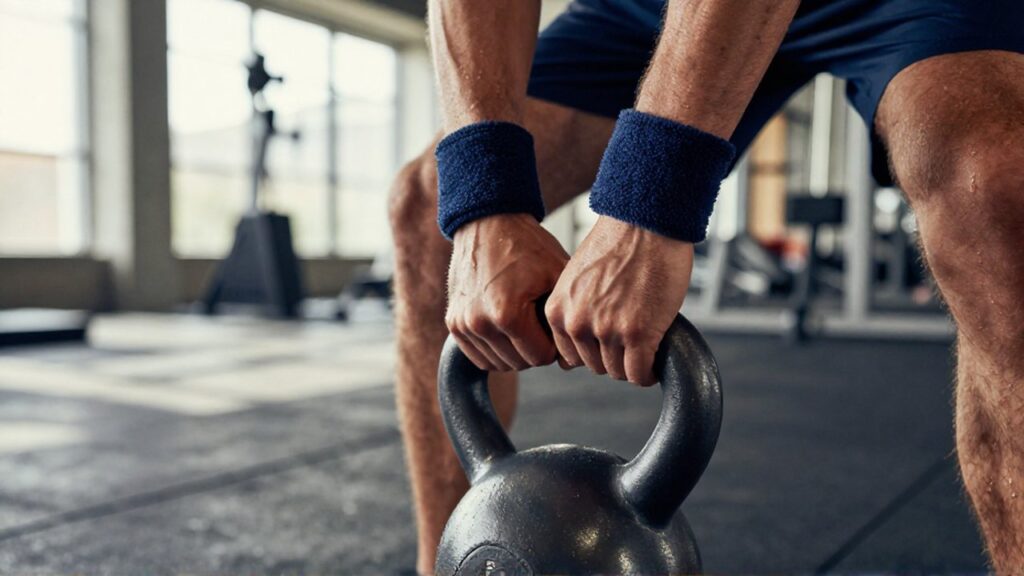
During high-intensity sports training, perspiration is a natural physiological response that can unexpectedly interfere with performance. Sweat running down your arms often ends up on your palms, causing a loss of grip strength and making it difficult to hold equipment like baseball bats, tennis rackets, or gym weights. Wristbands serve as a critical barrier, designed to absorb moisture before it reaches your hands, ensuring that focus remains on the movement rather than the discomfort of slipping.
Using specialized wristbands is particularly appropriate for athletes engaged in repetitive upper-body movements or those training in humid environments. Beyond mere comfort, these accessories play a functional role in maintaining safety and precision. By managing moisture effectively, you reduce the risk of accidents caused by losing control of gear and help maintain the integrity of your training sessions.
Benefits of using wristbands for moisture management
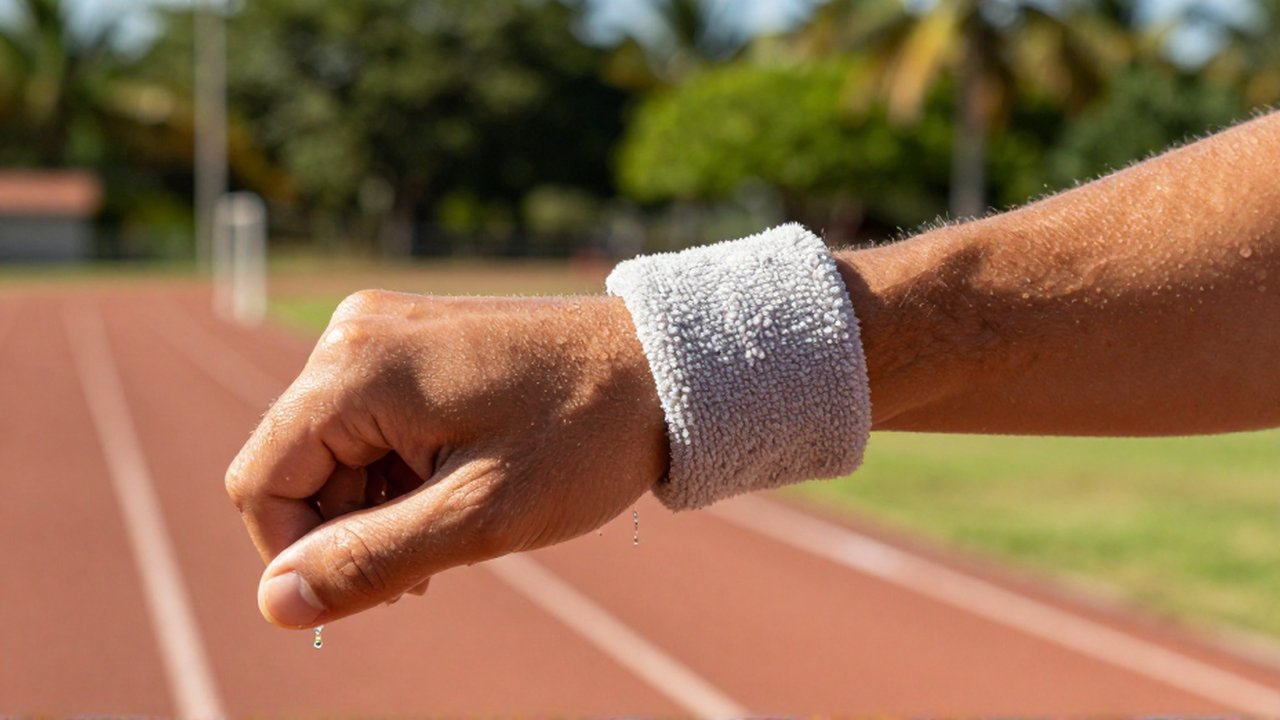
The primary advantage of wearing wristbands during training is the immediate improvement in grip stability. For athletes in sports like volleyball or weightlifting, even a small amount of moisture on the palms can drastically alter how much force can be applied to an object. Wristbands act as a sponge, capturing sweat at the source—the forearm—preventing it from migrating toward the fingers.
Additionally, wristbands offer a psychological benefit by reducing the distraction of constant wiping. Instead of stopping a set or a drill to wipe sweat away with a towel or clothing, an athlete can continue their flow. This maintains the heart rate and intensity required for effective physical preparation. Furthermore, certain types of fabric-based wristbands provide a light level of compression, which can help in feeling more stable during rapid movements.
Key materials and fabric technologies
When selecting the best wristband for sweat control, the material composition is the most significant factor. Not all fabrics are created equal when it comes to moisture absorption and drying speeds.
- Cotton Blends: Traditionally, most wristbands are made of cotton. Cotton is highly absorbent, which makes it excellent at soaking up large amounts of sweat. However, its main limitation is that it holds onto moisture for a long time, which can lead to the band feeling heavy and cold as it becomes saturated.
- Synthetic Polyesters: Many modern athletic accessories use polyester or nylon blends. These materials are designed to "wick" moisture away from the skin. While they might not absorb as much liquid as pure cotton, they dry significantly faster, maintaining a lightweight feel throughout the session.
- Terry Cloth: This is a specific type of weaving technique that creates loops of thread. Terry cloth is the gold standard for absorption because the loops increase the surface area available to trap moisture.
Criteria for choosing the right wristband
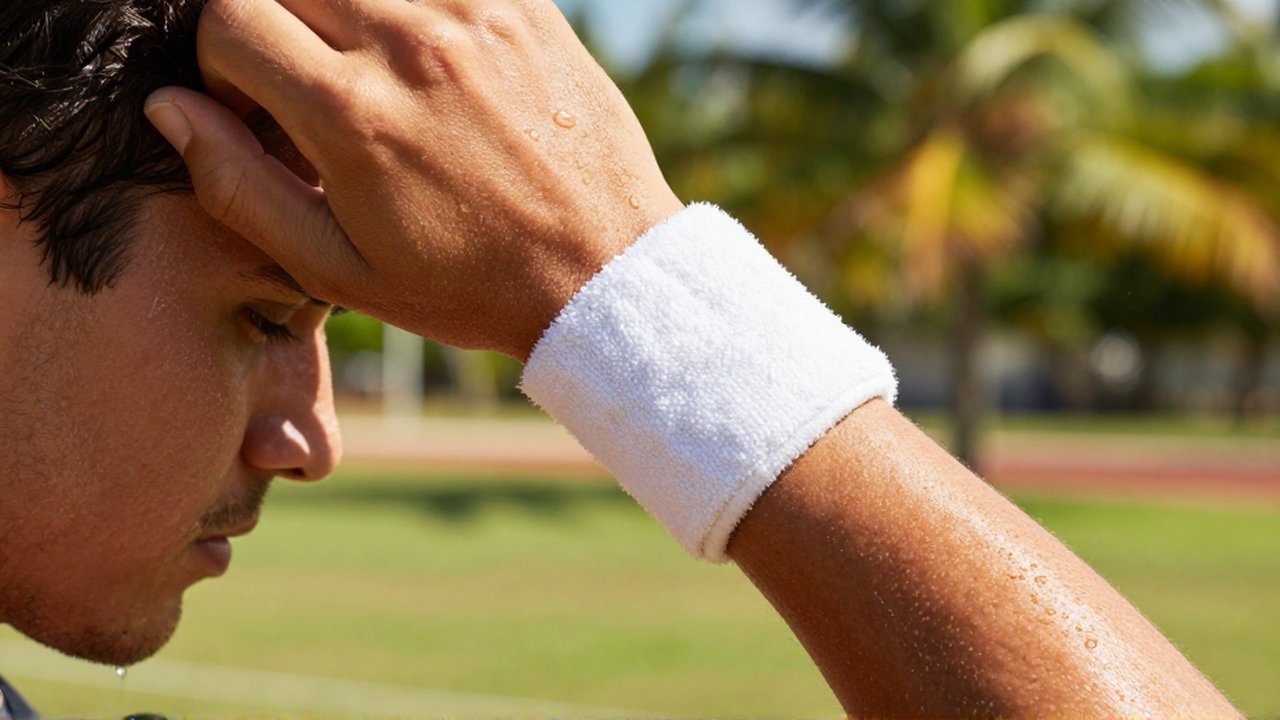
To find the most effective accessory for your specific training needs, consider the following decision criteria:
| Feature | Importance for Sweat Control | Best Use Case |
|---|---|---|
| Thickness | High: Thicker bands absorb more volume. | Heavy cardio or high-humidity training. |
| Width | Medium: Wider bands cover more forearm area. | Long-duration sessions where sweat volume is high. |
| Elasticity | High: Ensures the band stays in place during movement. | High-intensity sports like tennis or basketball. |
| Drying Rate | High: Prevents the band from becoming a heavy weight. | Rapid interval training or outdoor sports. |
When choosing, evaluate your sport. A baseball player might prefer a wider, thicker cotton band to handle intense perspiration during long innings, whereas a runner might prefer a thinner, synthetic band that won't weigh them down or cause chafing.
Common mistakes when wearing wristbands
A frequent error is selecting a wristband that is too tight. While some compression is helpful, an overly restrictive band can impede circulation or cause skin irritation and chafing during repetitive motions. If you notice redness or numbness, the band is likely too small.
Another mistake is neglecting hygiene. Because wristbands are designed to absorb sweat, they also trap bacteria, salts, and skin oils. Failing to wash them after every use can lead to unpleasant odors and skin breakouts. To maintain effectiveness, always wash your wristbands in a way that preserves the elasticity of the fabric. Finally, do not rely on wristbands alone if you are training in extreme heat; they are a supplementary tool for grip control, not a replacement for proper hydration and temperature regulation.
Frequently asked questions
How often should I replace my sports wristbands? You should replace them once the elasticity begins to fail or if the fabric no longer absorbs moisture effectively. Over time, repeated washing can break down the fibers, making them less efficient.
Can wristbands help with joint support? While the primary purpose of sweat-control wristbands is moisture management, many are made with elastic fibers that provide mild compression. This can offer a sense of stability, but they are not a substitute for medical-grade orthopedic supports.
Do thin wristbands actually work for heavy sweaters? Thin, synthetic bands are better for moisture wicking (moving sweat away), whereas thicker cotton bands are better for absorption (holding sweat). If you sweat excessively, a thicker, high-quality terry cloth band is usually more effective.
Will wristbands cause skin irritation? They can, especially if they are made of low-quality synthetic materials or if they are not washed regularly. Always ensure they fit comfortably and are cleaned after each use to maintain skin health.
Leave a Reply