How to maintain volleyball ankle brace longevity
Introduction
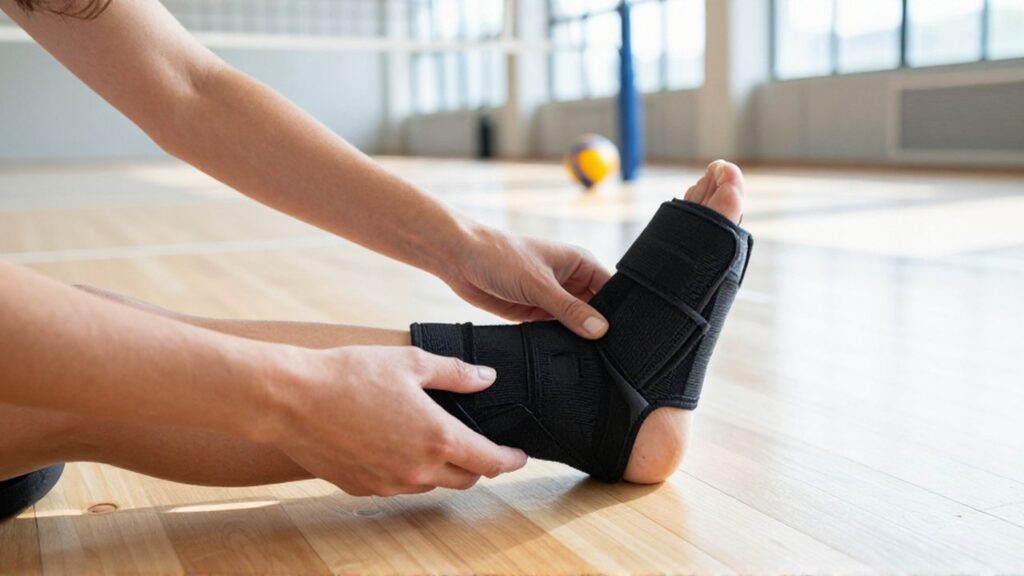
Volleyball is a high-impact sport characterized by constant jumping, lateral movements, and rapid changes in direction. These movements place significant stress on the ankle joints, making a high-quality ankle brace an essential piece of protective equipment for any player. A reliable brace provides the necessary stability to prevent sprains and supports the ligaments during intense gameplay.
However, the effectiveness of an ankle brace is directly tied to its structural integrity. Because braces are subjected to sweat, friction, and intense physical tension, they can degrade quickly if not cared for properly. Maintaining your brace ensures that the compression remains consistent and the support materials do not lose their shape.
Investing in proper maintenance not only extends the life of your gear but also ensures your continued safety on the court. A worn-out or compromised brace can provide a false sense of security, potentially leading to injuries if the support fails during a critical moment of play.
Proper cleaning techniques for sports gear
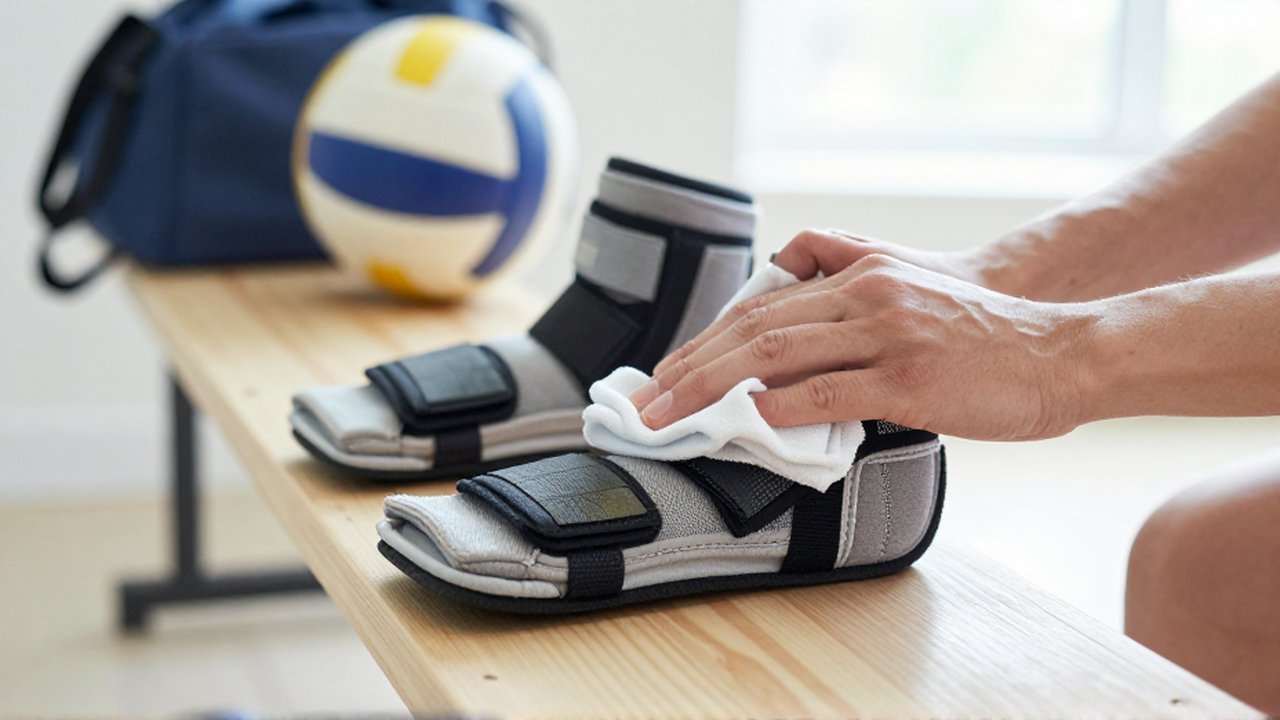
The most frequent cause of brace degradation is the accumulation of sweat, salt, and bacteria. When sweat dries inside the fabric, it leaves behind salt crystals that act like tiny abrasives, wearing down the fibers and weakening the elastic components. To prevent this, you must establish a regular cleaning routine.
Ideally, you should hand wash your ankle braces rather than using a washing machine. The mechanical agitation of a machine can misshape the rigid stabilizers or fray the stitching over time. Fill a basin with lukewarm water and a mild, non-detergent soap. Gently soak the brace and use your hands to massage the fabric, focusing on areas that come into direct contact with the skin.
Avoid using bleach or harsh chemical cleaners, as these substances can break down the synthetic polymers and elastic fibers that provide compression. After washing, always rinse the brace thoroughly with fresh water to ensure no soap residue remains, as dried soap can cause skin irritation during your next session.
Drying methods to preserve structural integrity
How you dry your ankle brace is just as important as how you wash it. One of the most common mistakes athletes make is placing their protective gear in a clothes dryer. The high heat from a dryer is the fastest way to destroy the elasticity of the brace, causing it to lose its ability to provide firm compression.
Instead, follow these steps for safe drying:
- Pat dry first: Use a clean, soft towel to squeeze out excess moisture. Do not wring or twist the brace, as this can distort the shape of the internal supports.
- Air dry only: Lay the brace flat on a clean towel in a well-ventilated area.
- Avoid direct sunlight: While UV rays kill bacteria, prolonged exposure to intense direct sunlight can make certain synthetic materials brittle and prone to cracking.
Allowing the brace to air dry completely before storing it is crucial. Storing a damp brace in a gym bag or a closed locker creates a breedingden for mold and unpleasant odors that are difficult to remove.
Inspection and wear patterns
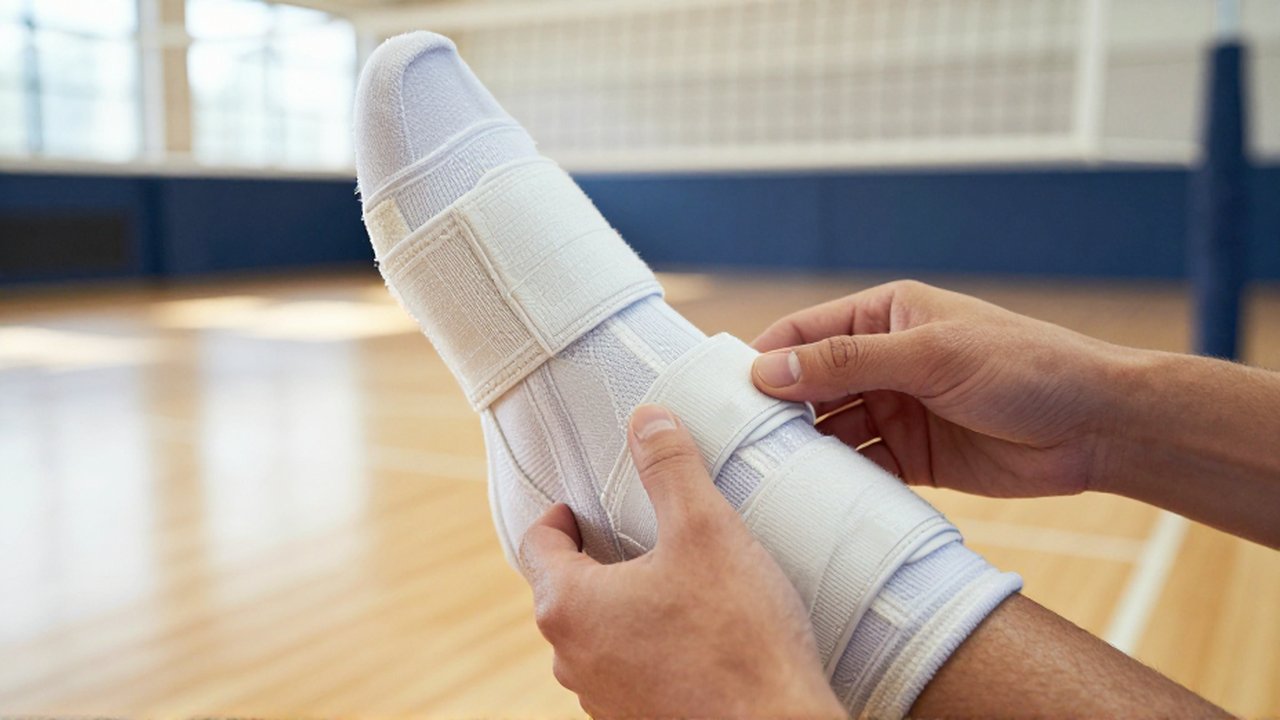
Longevity is not just about cleanliness; it is also about knowing when the equipment is no longer fit for purpose. Regular inspections should be part of your pre-training ritual. Even with perfect cleaning, the physical demands of volleyball will eventually take a toll on the material.
Pay close attention to the following indicators of wear:
| Component | Warning Signs of Damage | Risk Level |
|---|---|---|
| Elastic Straps | Loss of tension, fraying, or visible stretching | High (Reduced stability) |
| Hard Stabilizers | Cracks, warping, or loosening from the fabric | High (Risk of injury) |
| Padding | Compression or thinning of the foam/gel | Medium (Reduced comfort) |
| Velcro Fasteners | Loss of "grip" or accumulation of lint/hair | Low (Improper fit) |
If you notice that the Velcro no longer holds firmly or the rigid sides feel flexible, it is time to replace the brace. Using a compromised brace is a significant safety risk, as it may fail exactly when your ankle is under the most pressure.
Storage solutions for long term use
When you are not on the court, your gear should be stored in a way that maintains its shape. Braces should never be stuffed into the bottom of a heavy equipment bag where they might be crushed by volleyballs or shoes. Compression can permanently alter the memory of the foam and the alignment of the stabilizers.
Store your braces in a cool, dry place. A dedicated mesh bag or a ventilated compartment in your sports bag is ideal. This allows for continued airflow, preventing any residual moisture from being trapped. By treating your protection with the same respect as your footwear or your volleyball, you ensure it remains a reliable partner in your athletic performance.
Frequently asked questions
Can I use fabric softener when washing my ankle brace? No, you should avoid fabric softeners. These products leave a coating on fibers that can reduce the breathability of the fabric and diminish the effectiveness of the elastic compression.
How often should I clean my ankle brace? It is best to clean your brace after every few uses, or whenever it becomes noticeably damp or soiled with sweat. Frequent cleaning prevents salt buildup from degrading the material.
How do I know if my brace is too old to use? If the brace no longer feels tight after being fastened, if the rigid supports feel flexible, or if you notice structural fraying, the brace has reached the end of its functional life and should be replaced.
Is it okay to wash my brace in a washing machine on a delicate cycle? While a delicate cycle is safer than a regular cycle, hand washing is still the gold standard for longevity. If you must use a machine, place the brace inside a mesh laundry bag to minimize friction.
Leave a Reply