Criteria for selecting durable volleyball uniforms

Introduction
Selecting the right volleyball uniform is a critical decision for both individual players and organized teams. A high-quality uniform serves more than just an aesthetic purpose; it is a piece of performance equipment designed to withstand the intense physical demands of the sport. Because volleyball involves constant lateral movements, explosive jumps, and frequent contact with the floor, the apparel must be resilient enough to endure repetitive friction and high-intensity stretching without losing its shape or structural integrity.
Investing in durable uniforms is appropriate for competitive athletes, school teams, and clubs that require gear capable of lasting through multiple seasons. Choosing the wrong materials can lead to premature tearing, loss of elasticity, or discomfort due to poor moisture management. By understanding the specific criteria for durability and functionality, players can ensure their gear supports their movement rather than hindering it, ultimately providing better value for money and consistent performance during every match.
Fabric composition and technical properties
The most important factor in determining how long a volleyball uniform will last is the blend of synthetic fibers used in its construction. Most modern high-performance uniforms are made from a mix of polyester, nylon, and elastane (Spandex). Polyester is favored for its ability to maintain shape and resist shrinking, while nylon provides exceptional strength and abrasion resistance, which is vital for players who frequently dive or slide on the court.
The percentage of elastane in the fabric determines the range of motion. A uniform with a sufficient amount of elastane will stretch during deep lunges and reaches but must have high "recovery" properties. Recovery refers to the fabric's ability to snap back to its original shape after being stretched. If the fabric lacks good recovery, the uniform will become baggy and lose its aerodynamic fit after only a few practices. When evaluating durability, look for "interlock" knits, which are denser and less likely to develop holes compared to lighter, single-knit fabrics.
Seam construction and reinforcement techniques
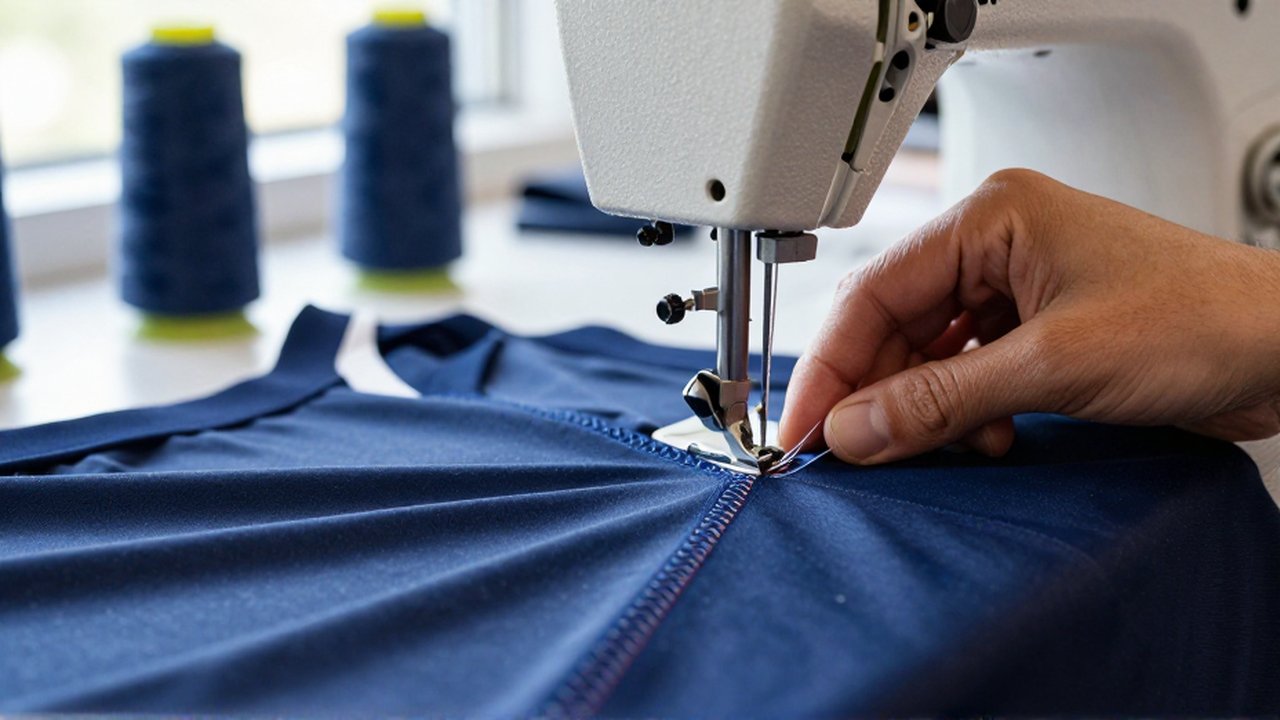
Even the best fabric will fail if the seams are poorly constructed. In volleyball, the seams are under constant tension due to the explosive nature of the movements. Flatlock stitching is the industry standard for high-quality athletic apparel. Unlike traditional raised seams, flatlock stitching joins two pieces of fabric edge-to-edge, creating a flat surface that reduces skin irritation and prevents the seam from "popping" under tension.
Durability is also influenced by the type of thread used and the density of the stitches. Reinforced seams in high-stress areas—such as the underarms, crotch, and shoulders—are essential to prevent tearing during lateral jumps or overhead spikes. A simple way to test seam quality is to gently pull the fabric apart at the seam; if you see significant gaps or if the thread looks thin and loose, the uniform is unlikely to survive a competitive season.
Moisture management and breathability
A durable uniform must also remain functional when saturated with sweat. In the humid environments often found in indoor sports halls, sweat can weigh down fabric and cause it to lose its elasticity. High-quality uniforms utilize moisture-wicking technology, which pulls sweat away from the skin to the outer layer of the fabric where it can evaporate quickly.
Materials that manage moisture effectively prevent the garment from becoming heavy and cumbersome. Additionally, breathability is key to maintaining the fabric's integrity. Fabrics that trap too much heat can cause excessive wear on the fibers due to salt buildup from dried sweat. Look for micro-perforated zones or mesh panels in high-heat areas like the back or underarms, which allow for better airflow and help the garment dry faster, reducing the frequency of heavy laundering that can degrade fibers over time.
Resistance to abrasion and colorfastness
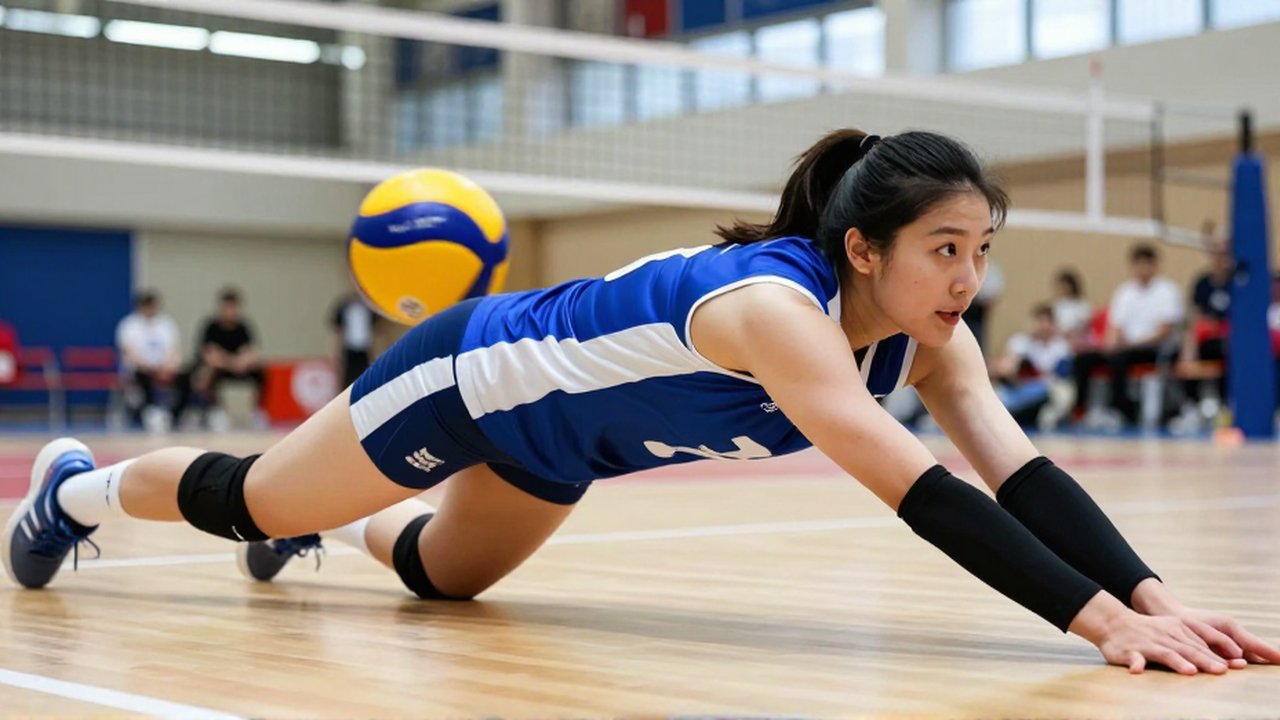
Volleyball is a sport of contact. Whether it is contact with the court surface during a dig or contact with teammates during a block, the uniform faces constant friction. To ensure longevity, the fabric should have a high abrasion resistance rating. Synthetic blends like nylon-heavy mixes are generally more resistant to "pilling"—the small balls of fiber that form on the surface of cheap fabrics due to friction.
Colorfastness is another crucial aspect of durability. Many team uniforms feature vibrant colors or sublimated designs. Low-quality dyes can fade after a few cycles in the washing machine, making the uniform look aged and unprofessional. Sublimation printing, where the dye is heat-transferred directly into the fibers, is generally more durable than screen printing, as the design is less likely to crack, peel, or fade over time.
Maintenance and care for longevity
How a uniform is cared for will significantly impact its lifespan. To maintain the elasticity and structural integrity of volleyball apparel, it is highly recommended to follow these practices:
| Action | Recommended Method | Reason |
|---|---|---|
| Washing | Cold water, gentle cycle | Prevents fiber breakdown and color fading. |
| Detergent | Mild, liquid detergent | Avoids harsh chemicals that damage elastane. |
| Drying | Air dry in shade | High heat from dryers destroys elasticity. |
| Ironing | Avoid or use very low heat | Direct heat can melt synthetic fibers. |
Avoiding fabric softeners is particularly important for athletic gear. Softeners leave a coating on the fibers that can clog the moisture-wicking pores, effectively neutralizing the technical benefits of the fabric and making the uniform less comfortable and less effective at managing sweat.
Frequently asked questions
How can I tell if a uniform has good elasticity? Stretch the fabric firmly and release it. If it immediately returns to its original shape without leaving ripples or feeling "loose," it has excellent recovery.
Is sublimation printing better than traditional printing? Yes, for durability. Sublimation integrates the color into the fabric fibers, meaning the design won't crack or peel away after repeated stretching and washing.
Why should I avoid the dryer for volleyball jerseys? The high heat of a dryer is the primary enemy of elastane (Spandex). Heat causes the elastic fibers to snap or lose their "memory," which leads to a baggy, shapeless uniform.
Can I use bleach on white volleyball uniforms? It is generally not recommended. Even on white synthetic fabrics, bleach can weaken the chemical bonds of the fibers, making them more prone to tearing.
Leave a Reply