Does drinking water during exercise cause stomach cramps

Introduction
Maintaining proper hydration is a cornerstone of athletic performance and physical well-being. During intense physical activity, the body loses fluids through sweat, making consistent intake essential to prevent dehydration, heat exhaustion, and a decline in cognitive function. However, many athletes face a common dilemma: the discomfort of stomach cramps or a "sloshing" sensation in the abdomen shortly after drinking.
Understanding the relationship between fluid intake and digestive comfort is vital for anyone from casual runners to professional baseball players. Distinguishing between the physiological need for water and the triggers that lead to gastrointestinal distress allows athletes to optimize their hydration strategies. This article explores why these cramps occur and how to prevent them without compromising your hydration needs.
Reasons for abdominal discomfort during hydration
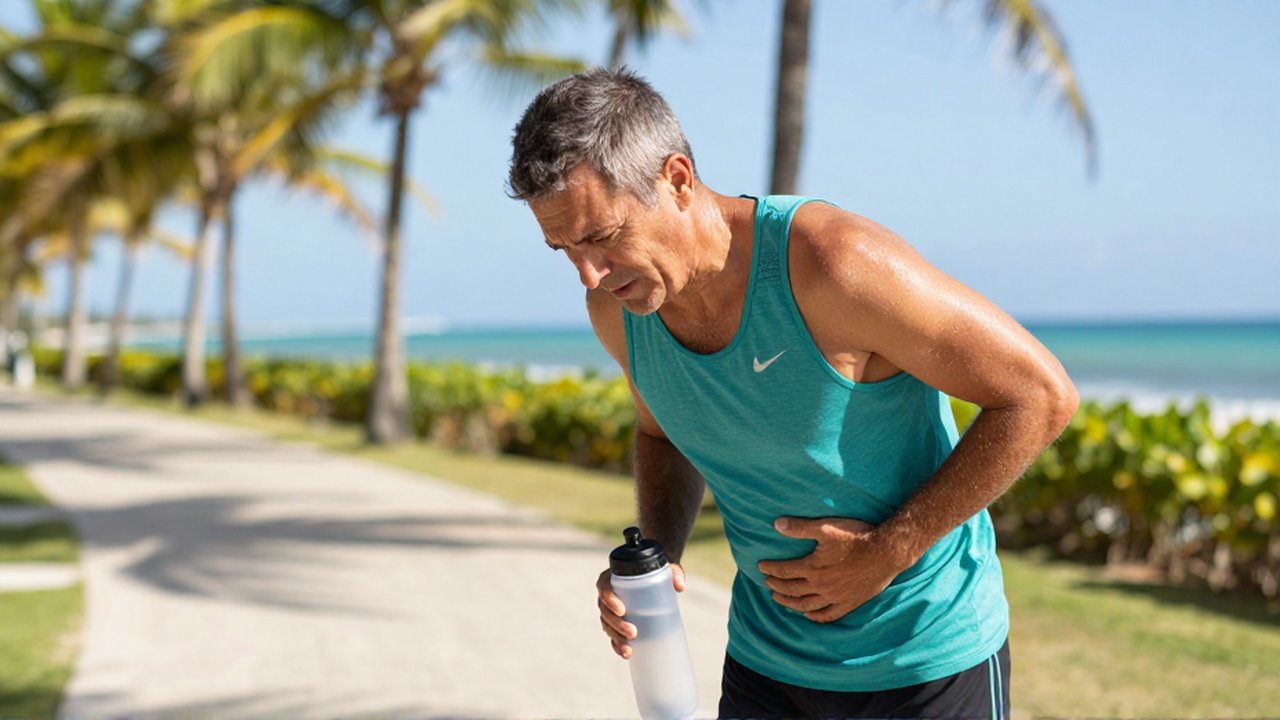
The primary cause of stomach cramps during exercise is often not the water itself, but the manner in which it is consumed. When you ingest a large volume of liquid rapidly, while the body is diverted toward intense muscular effort, the digestive system may struggle to process the influx. During high-intensity training, blood flow is redirected from the internal organs to the working muscles, which can slow down gastric emptying.
Another common factor is the temperature of the liquid. Drinking ice-cold water during heavy exertion can sometimes cause the stomach muscles to spasm or create a sudden temperature shock to the digestive tract. Furthermore, if the water is consumed alongside high concentrations of sugar or electrolytes, it may create an osmotic imbalance, drawing more water into the intestines and leading to bloating or cramping.
How to prevent stomach cramps while staying hydrated
Preventing discomfort requires a strategic approach to how and when you drink. Instead of waiting until you are thirsty—which is often a sign of early dehydration—you should aim for consistent, small sips throughout your training session. This method ensures a steady supply of fluids without overwhelming the stomach's capacity to process them.
| Strategy | Benefit | Execution |
|---|---|---|
| Micro-sipping | Prevents "sloshing" and bloating | Take small sips every 10-15 minutes. |
| Temperature Control | Reduces gastric shock | Opt for cool rather than ice-cold water. |
| Pre-hydration | Reduces the need for rapid intake | Drink steadily in the hour before exercise. |
| Electrolyte Balance | Aids absorption | Ensure salt intake matches sweat loss. |
In addition to sipping, paying attention to your pre-workout nutrition is crucial. Consuming large amounts of high-fiber or high-fat foods immediately before exercise can delay gastric emptying, making any liquid intake more likely to cause discomfort.
Common mistakes in hydration management
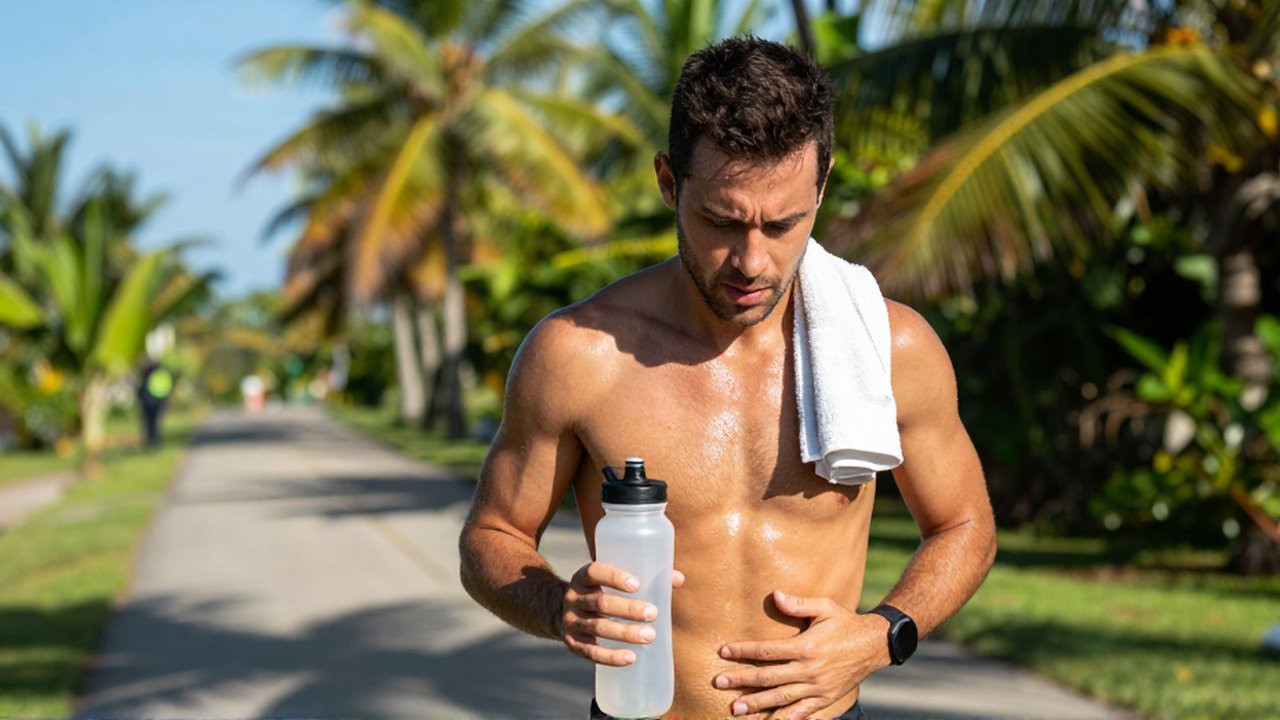
A frequent error made by many fitness enthusiasts is the "all-or-nothing" approach to water. Some athletes go long periods without drinking anything, only to consume a massive amount of water during a break. This sudden volume increases the weight of the fluid in the stomach, which can cause discomfort during movements involving jumping, running, or core rotation.
Another mistake is neglecting the role of electrolytes. While water is essential, losing excessive salts through sweat can affect how your body manages fluids. If you drink only plain water in very large quantities during long-duration endurance activities, you may inadvertently dilute your sodium levels, which can lead to different types of gastrointestinal issues or even more severe physiological complications.
Frequently asked questions
Is it better to drink before, during, or after exercise? The most effective approach is a combination of all three. Pre-hydrating ensures you start in a balanced state, sipping during exercise maintains fluid levels, and drinking after exercise replenishes what was lost through sweat.
Does the temperature of water matter? Yes. While cold water can help lower core body temperature, extremely cold liquids may cause stomach spasms in some individuals. Cool or room-temperature water is often easier on the digestive system during intense movement.
How much water should I drink during a workout? There is no single rule that applies to everyone, as it depends on sweat rate, intensity, and environmental temperature. A general guideline is to take small, frequent sips rather than attempting to drink large amounts at once.
Can sports drinks cause cramps? In some cases, yes. If a sports drink has an excessively high concentration of sugar (high osmolality), it can sit in the stomach longer and potentially cause cramping or nausea. Always look for balanced electrolyte solutions.
Leave a Reply