Best volleyball shoes for indoor court performance
Introduction
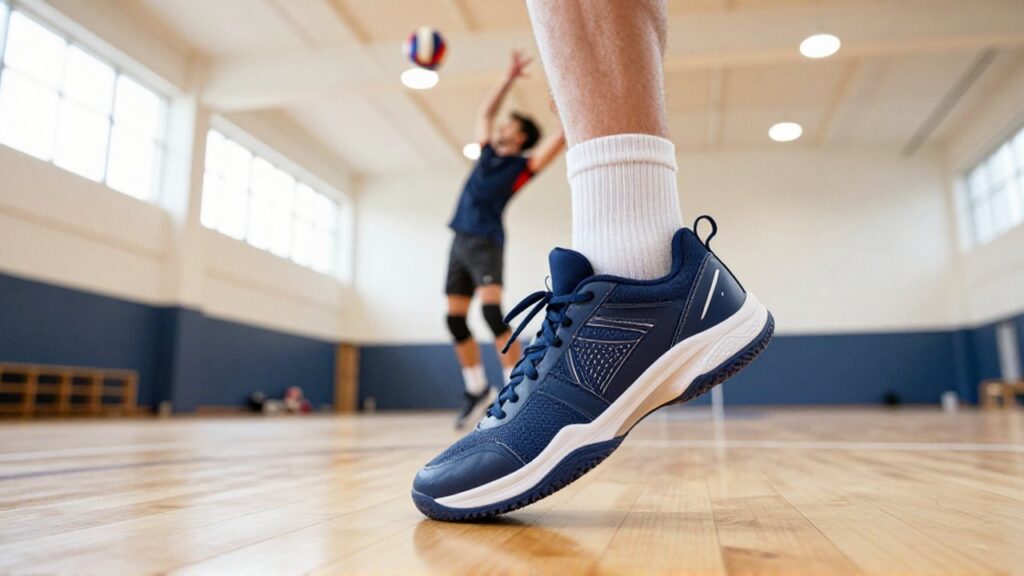
Selecting the right footwear is one of the most critical decisions for any volleyball player looking to optimize their performance on an indoor court. Unlike casual sneakers or running shoes, volleyball-specific footwear is engineered to handle the unique, high-impact movements inherent to the sport, such as explosive jumping, rapid lateral shifts, and sudden stops. Using improper footwear can lead to decreased agility and, more importantly, an increased risk of injuries such as ankle sprains or joint strain.
The primary purpose of specialized indoor volleyball shoes is to provide a balance of stability, cushioning, and traction. Because indoor courts are typically made of polished wood or synthetic materials, the outsole must offer exceptional grip to prevent slipping during quick transitions. This article explores the technical features you should look for to ensure your gear supports your athletic goals and protects your physical well-being.
Essential features of volleyball footwear

When evaluating shoes for indoor performance, you must look beyond aesthetics and focus on the technical components that interact with the court surface. The most important features include traction, cushioning, stability, and weight.
Traction and Outsole Material The outsole is the foundation of your movement. Most high-quality volleyball shoes utilize non-marking rubber soles designed specifically for indoor surfaces. A multidirectional tread pattern is ideal because it allows for quick changes in direction without losing grip. If the rubber is too hard, you may slide; if it is too soft, it may wear down too quickly.
Cushioning and Impact Absorption Volleyball involves repetitive vertical jumps and hard landings. Proper cushioning in the midsole is essential to absorb the shock of landing, which protects your knees, ankles, and hips. Look for technologies that provide "energy return," which helps propel you upward while still offering enough softness to dampen the force of impact.
Lateral Stability and Support Unlike running, which is a linear motion, volleyball is a multidirectional sport. You will often find yourself lunging sideways or shuffling quickly. A shoe with a wider base and reinforced lateral sides prevents your foot from "rolling" over the edge of the sole, providing the necessary stability to maintain balance during intense rallies.
Weight and Breathability A lightweight shoe allows for faster reaction times and reduces fatigue during long matches. However, there must be a balance; a shoe that is too thin may lack the structural integrity required for support. Additionally, breathable mesh upper materials help regulate temperature and manage moisture, keeping your feet dry and preventing blisters.
Comparison of shoe types for different player roles
While many players can use a "generalist" volleyball shoe, certain roles on the court benefit from specific design focuses.
| Player Role | Primary Need | Key Feature Focus |
|---|---|---|
| Hitters / Spikers | Jumping and Landing | Maximum shock absorption and vertical propulsion |
| Liberos / Defensive Specialists | Agility and Reaction | Low profile, lightweight, and superior lateral grip |
| Setters | Balance and Precision | High stability and quick directional changes |
| Middle Blockers | Lateral Movement | Reinforced side support for quick blocking transitions |
Common mistakes when choosing indoor shoes

One of the most frequent errors is using running shoes for volleyball. Running shoes are designed for forward motion and typically have high, soft midsoles that lack the lateral stability required for side-to-side movement. This mismatch can lead to significant ankle instability.
Another mistake is prioritizing brand popularity over fit. A shoe might be a top seller, but if it does not accommodate your specific foot shape—such as wide or narrow arches—it will never provide the performance benefit intended. Always ensure there is a small amount of space in the toe box to prevent bruising during sudden stops, but the midfoot must feel secure and snug.
Finally, many players neglect the importance of replacing shoes regularly. Even if the exterior looks clean, the internal cushioning (the midsole) loses its ability to absorb shock over time. Once the "bounce" feels gone or the grip feels inconsistent, it is time to invest in a new pair to prevent injury.
Frequently asked questions
Can I use basketball shoes for volleyball? Yes, basketball shoes are often built for similar lateral movements and jumping. However, they are frequently heavier than volleyball-specific shoes. If you use basketball shoes, ensure they are lightweight enough to not hinder your agility.
How often should I replace my volleyball shoes? This depends on your training frequency. For competitive players training several times a week, replacing shoes every 6 to 12 months is standard to ensure the cushioning and traction remain effective.
Do I need different shoes for different court surfaces? For indoor volleyball, the standard is non-marking rubber soles. If you occasionally play on outdoor or sand courts, you should use dedicated footwear for those environments to avoid damaging your indoor shoes and to ensure proper grip.
How should volleyball shoes fit? They should feel snug around the midfoot to provide stability, but your toes should have enough room to move slightly without being cramped. You should not experience any sliding of your foot inside the shoe during lateral movements.
Leave a Reply