Best pre-workout meals for baseball players in training
Introduction
Fueling correctly before a training session is essential for baseball players who require a blend of explosive power, sustained concentration, and muscular endurance. A well-planned pre-workout meal provides the necessary glucose to fuel the brain and muscles, ensuring that players can maintain high-intensity movements such as sprinting to first base or driving through a swing. Without adequate nutrition, athletes risk premature fatigue, decreased reaction times, and an increased likelihood of muscle cramping during long training sessions.
Timing and composition are the two most critical factors when selecting a meal. Because baseball involves short bursts of intense activity followed by periods of lower intensity, the diet must support both immediate energy needs and long-term stamina. Choosing the right balance of macronutrients helps stabilize blood sugar levels, preventing the "crash" that can occur when eating the wrong types of carbohydrates or too much heavy fat before stepping onto the field.
Importance of macronutrients for baseball performance
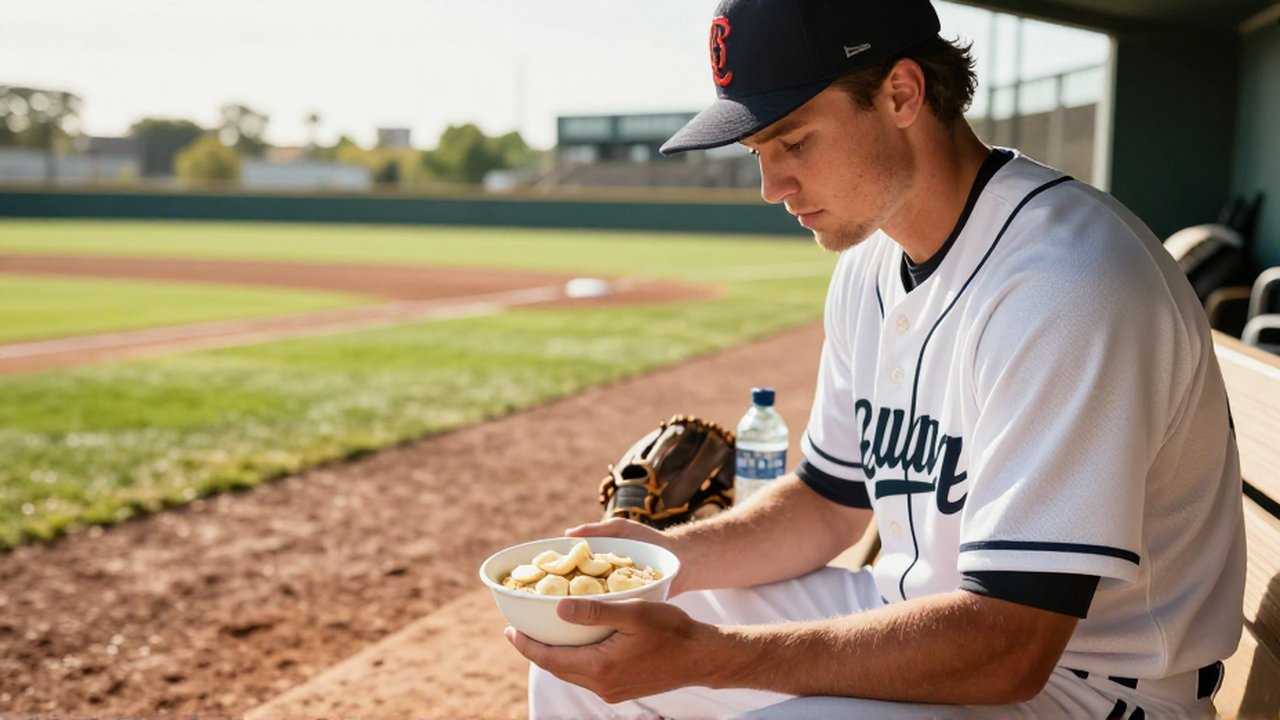
To optimize performance, baseball players should focus on a specific balance of carbohydrates, proteins, and healthy fats. Carbohydrates serve as the primary fuel source for the body, specifically providing the glycogen needed for the high-velocity movements required in pitching, hitting, and fielding. Complex carbohydrates are ideal for long-term energy, while simple carbohydrates are better suited if the meal is consumed very close to the start of training.
Protein plays a secondary but vital role in the pre-workout phase by helping to prevent muscle breakdown during strenuous physical activity. While protein is most famous for post-workout recovery, having a moderate amount in the pre-workout window helps maintain an anabolic environment. Fats should be consumed in moderation before training; while they are a great energy source, they slow down digestion, which can lead to gastrointestinal discomfort or a feeling of heaviness if eaten too close to the workout.
Optimal timing for pre-workout nutrition
The timing of a meal determines how much energy is available to the athlete and how much digestive stress the body undergoes. Generally, nutrition strategies are divided into two categories: the large meal and the quick snack.
For a substantial meal, players should aim to eat approximately two to three hours before training begins. This window allows the body sufficient time to break down complex nutrients and move them into the bloodstream and muscles. A meal eaten too close to training can cause blood to divert from the muscles to the digestive system, leading to sluggishness or nausea.
If a player only has thirty to sixty minutes before hitting the field, they should pivot to a light, easily digestible snack. This snack should be high in simple carbohydrates and low in fiber and fat to ensure rapid absorption without upsetting the stomach.
Recommended meal combinations based on timing

Selecting the right food depends entirely on the time remaining before the training session. Below are practical examples of what a player might consume.
Full meals (2–3 hours before training)
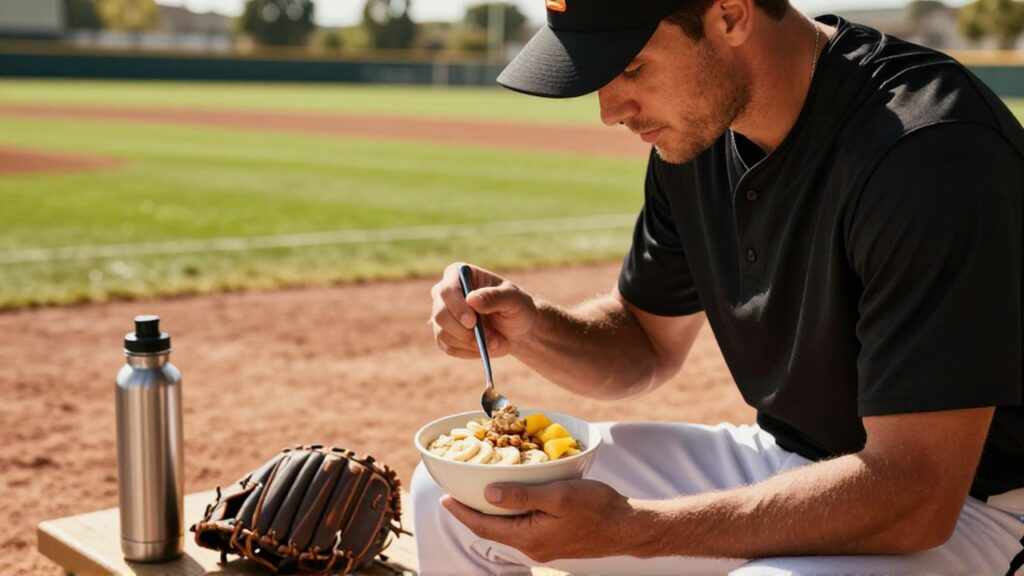
- Oatmeal with fruit: A bowl of oats topped with bananas or berries provides slow-releasing energy.
- Chicken and rice: A classic combination of lean protein and complex carbohydrates that is easy on the stomach.
- Whole grain toast with eggs: Provides a balance of fiber, healthy fats, and high-quality protein.
- Pasta with lean meat sauce: A high-carbohydrate option that is excellent for long training days.
Light snacks (30–60 minutes before training)
- Fruit: Bananas, apples, or grapes offer quick-acting sugars.
- Yogurt: A small serving of low-fat yogurt provides a mix of simple sugars and protein.
- Rice cakes with honey: A very light option that provides immediate glucose.
- Granola bars: Should be chosen based on low fiber content to avoid bloating.
Common mistakes to avoid before training
One of the most frequent errors made by athletes is experimenting with new foods on a training day. The digestive system is highly individual, and what works for one player might cause significant discomfort for another. It is vital to test all meal combinations during non-competitive days to see how they affect energy levels and stomach stability.
Another common mistake is consuming excessive amounts of fiber or fat immediately before exercise. While fiber and fat are healthy components of a general diet, they significantly slow gastric emptying. During high-intensity training, this can result in "heavy stomach" sensations, cramping, or acid reflux. Additionally, players should be cautious with high-sugar processed snacks that cause a rapid spike in insulin, followed by a sharp drop in energy, leaving the player feeling exhausted halfway through the session.
Frequently asked questions
Can I train on an empty stomach? While some athletes can perform light activities while fasting, baseball players participating in high-intensity training usually benefit significantly from having some carbohydrate intake to maintain focus and power.
How much water should I drink before training? Hydration should begin well before the session starts. Aim to sip water consistently in the hours leading up to training rather than gulping large amounts immediately before starting, which can cause discomfort.
Is it better to eat more carbohydrates or more protein before a workout? For immediate energy and performance, carbohydrates should be the priority. Protein is important for overall health and muscle maintenance, but carbohydrates are the direct fuel for the intense movements used in baseball.
Should I avoid caffeine before training? Caffeine can enhance focus and alertness for some players, but it can also increase heart rate and cause jitters or dehydration if not managed carefully. It is best to find what works for your specific physiology.
Leave a Reply