Common mistakes that prevent efficient hydration absorption
Introduction
Hydration is far more than the simple act of drinking water; it is a complex biological process where the body must effectively transport fluids from the digestive tract into the bloodstream and cells. Proper absorption ensures that organs function correctly, body temperature is regulated, and physical performance is maintained during exercise. When absorption is inefficient, even large quantities of liquid may pass through the body without providing the necessary physiological benefits.
Understanding how to optimize this process is essential for athletes and active individuals in warm climates. Many people believe that the volume of water consumed is the only metric that matters, but the timing, composition, and method of consumption are equally critical. Recognizing common errors allows you to move beyond mere consumption toward true cellular hydration.
Excessive water intake in short intervals
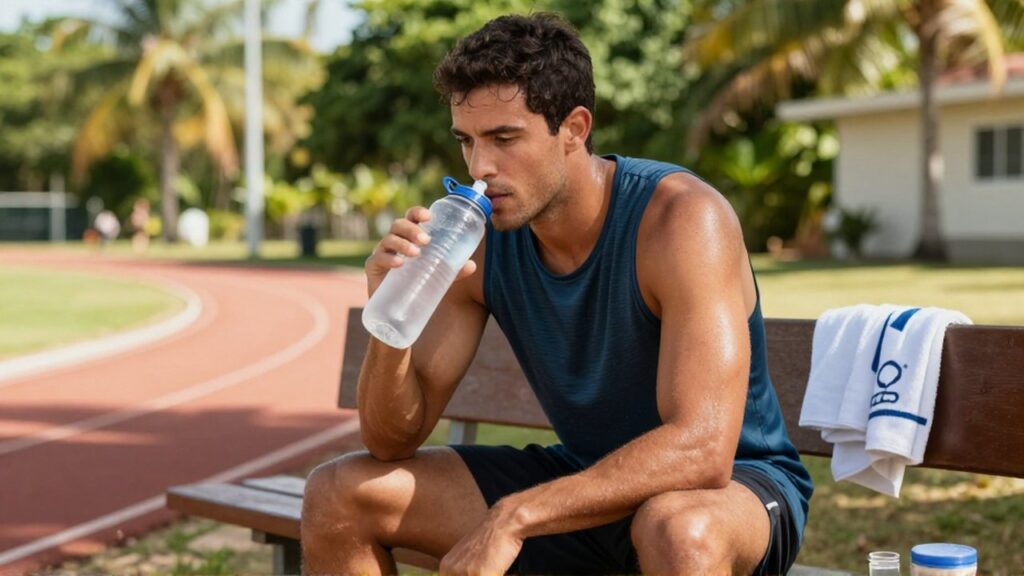
One of the most frequent mistakes is "chugging" or consuming massive amounts of water in a very short period. When the stomach is suddenly flooded with a large volume of liquid, the body often cannot process it quickly enough. This can lead to a sensation of bloating or heaviness, which is particularly detrimental during sports like running or baseball.
If the intake exceeds the rate at which the small intestine can absorb fluid, the kidneys may receive a signal to flush the excess liquid to maintain electrolyte balance. This results in frequent urination and a rapid loss of the very fluid you intended to retain. Instead, a better approach is to take small, frequent sips throughout the day or training session to allow for a steady, manageable absorption rate.
Neglecting electrolyte balance
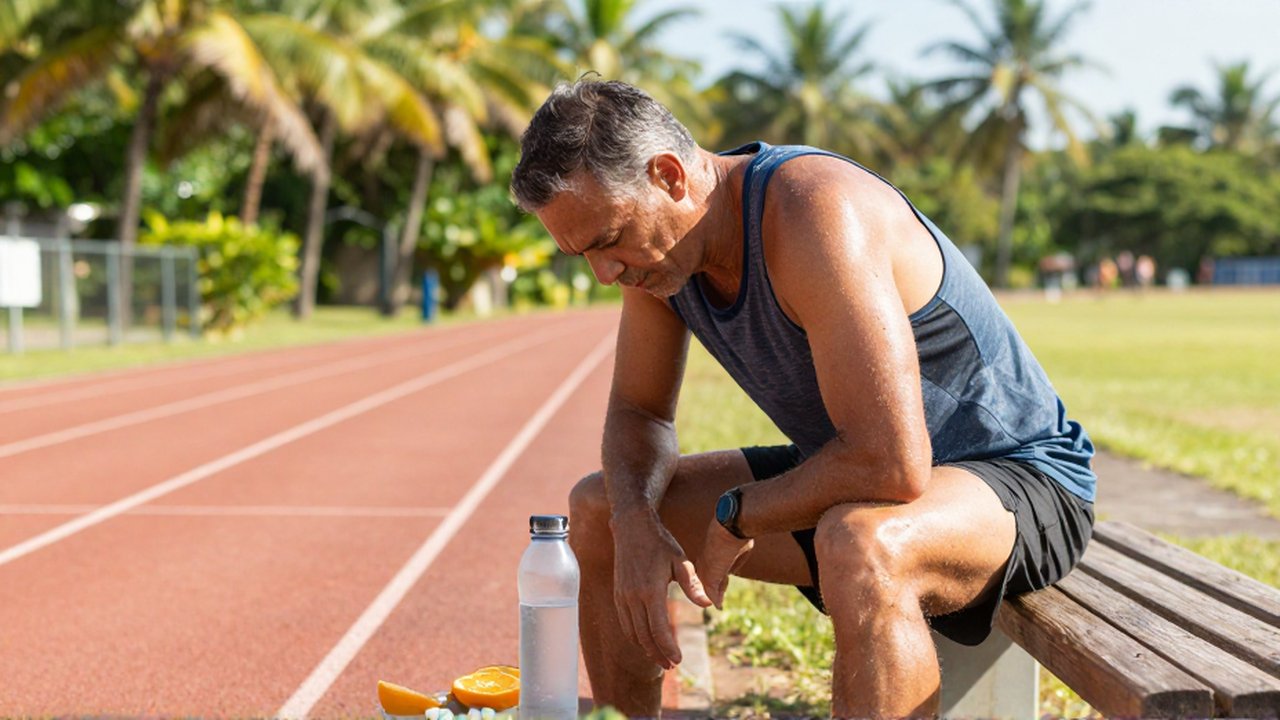
Hydration is not just about water; it is about the balance of solutes, primarily electrolytes like sodium, potassium, and magnesium. Drinking only pure water, especially during prolonged periods of sweating, can lead to a dilution of the sodium levels in your blood. This phenomenon, known as hyponatremia, prevents the body from effectively pulling water into the cells.
For efficient absorption, your body requires a specific concentration of minerals to create the osmotic gradient necessary for fluid transport. If you are engaging in intense physical activity in a tropical environment, relying solely on plain water might result in "sloshing" in the stomach and a lack of perceived hydration. Incorporating electrolytes helps maintain the osmotic pressure required to move water across cell membranes.
Consuming fluids with incorrect temperatures
While a cold drink can feel refreshing, the temperature of your fluids can impact how quickly they leave the stomach. Extremely cold liquids may cause slight gastric discomfort or temporary slowing of digestion in some individuals. Conversely, liquids that are too warm may not be as palatable, leading to a decrease in total fluid intake.
For optimal gastric emptying—the process of moving liquid from the stomach to the small intestine where most absorption occurs—room temperature or slightly cool fluids are generally considered more effective. This helps the liquid pass through the digestive system more smoothly, ensuring a consistent supply of hydration to the bloodstream.
Relying on sugary beverages for hydration
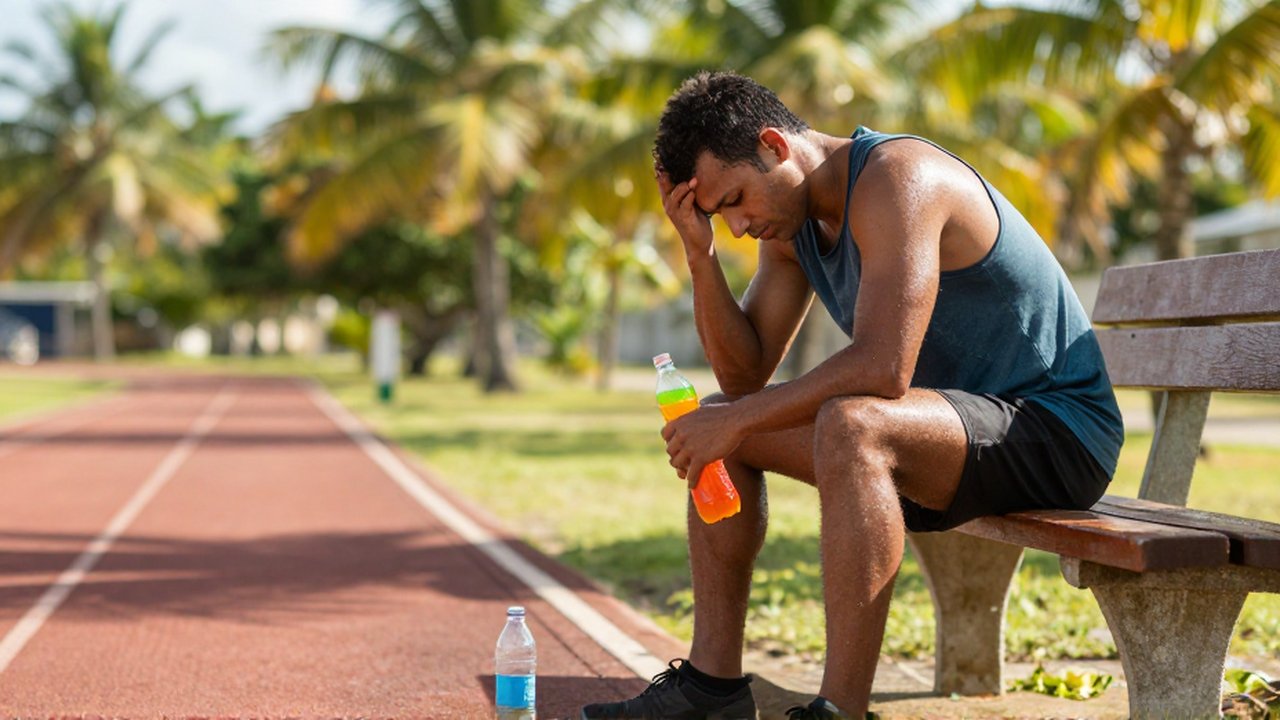
Many people mistakenly turn to highly sugary sports drinks or sodas when they feel thirsty. While some carbohydrates are necessary during long-duration exercise to provide energy, an excessive concentration of sugar can actually hinder hydration. High sugar concentrations in the gut can create an osmotic effect that pulls water out of the bloodstream and into the intestine to dilute the sugar.
This process can cause gastrointestinal distress, such as cramping or diarrhea, and actually delays the absorption of water. When selecting a beverage, aim for a solution that has a moderate concentration of carbohydrates and electrolytes rather than a high-sugar syrup.
Comparison of hydration strategies
| Mistake | Physiological Impact | Recommended Adjustment |
|---|---|---|
| Chugging large volumes | Rapid excretion and bloating | Small, frequent sips |
| Drinking only plain water | Electrolyte dilution | Include sodium and potassium |
| High-sugar drinks | Delayed gastric emptying | Moderate carbohydrate solutions |
| Ignoring thirst cues | Dehydration and performance drop | Scheduled, proactive drinking |
Frequently Asked Questions
Why do I feel thirsty even after drinking a lot of water? This often happens because you are replacing fluid without replacing the electrolytes lost through sweat. Without sodium to hold the water in your system, the fluid passes through you too quickly.
Does coffee or tea affect my hydration levels? While caffeine has a mild diuretic effect, moderate consumption of these beverages generally does not lead to significant dehydration in regular consumers. However, they should not be your primary source of hydration.
How can I tell if I am hydrating efficiently? A reliable indicator is the color of your urine. A pale yellow color, similar to straw, typically indicates good hydration. If your urine is very dark or if you feel bloated and thirsty simultaneously, your absorption may be inefficient.
Is it better to drink before, during, or after exercise? The most effective method is a combination of all three. Pre-hydrating ensures you start at a baseline, drinking during exercise maintains volume, and post-exercise rehydration repairs the deficit caused by sweat loss.
Leave a Reply