Why glucose helps the body absorb water faster
Introduction
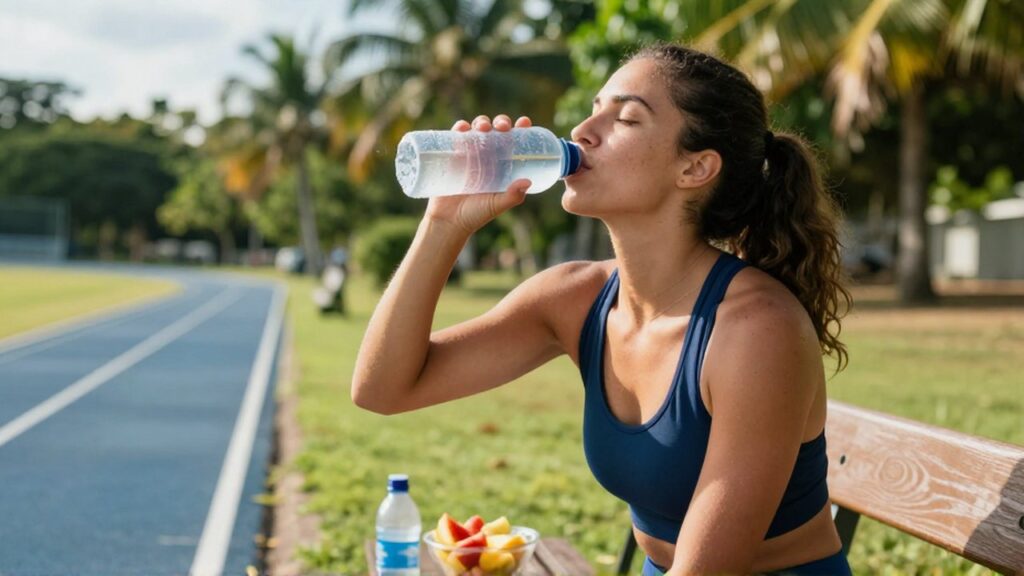
Effective hydration is much more than simply drinking water whenever you feel thirsty. For athletes, outdoor enthusiasts, or anyone performing physical activity in warm climates like the Dominican Republic, the speed and efficiency with which your body utilizes fluids can determine your performance and recovery. This process is not just about the volume of liquid consumed, but about how effectively that liquid moves from your digestive tract into your bloodstream.
The biological mechanism that drives this process often involves a specific molecule: glucose. When glucose is present in the right concentrations alongside sodium, it triggers a specialized transport system in the small intestine. This interaction allows the body to move water across cellular membranes much faster than plain water alone could achieve. Understanding this relationship is fundamental for optimizing rehydration strategies during intense training or prolonged heat exposure.
The science of the sodium-glucose co-transport system
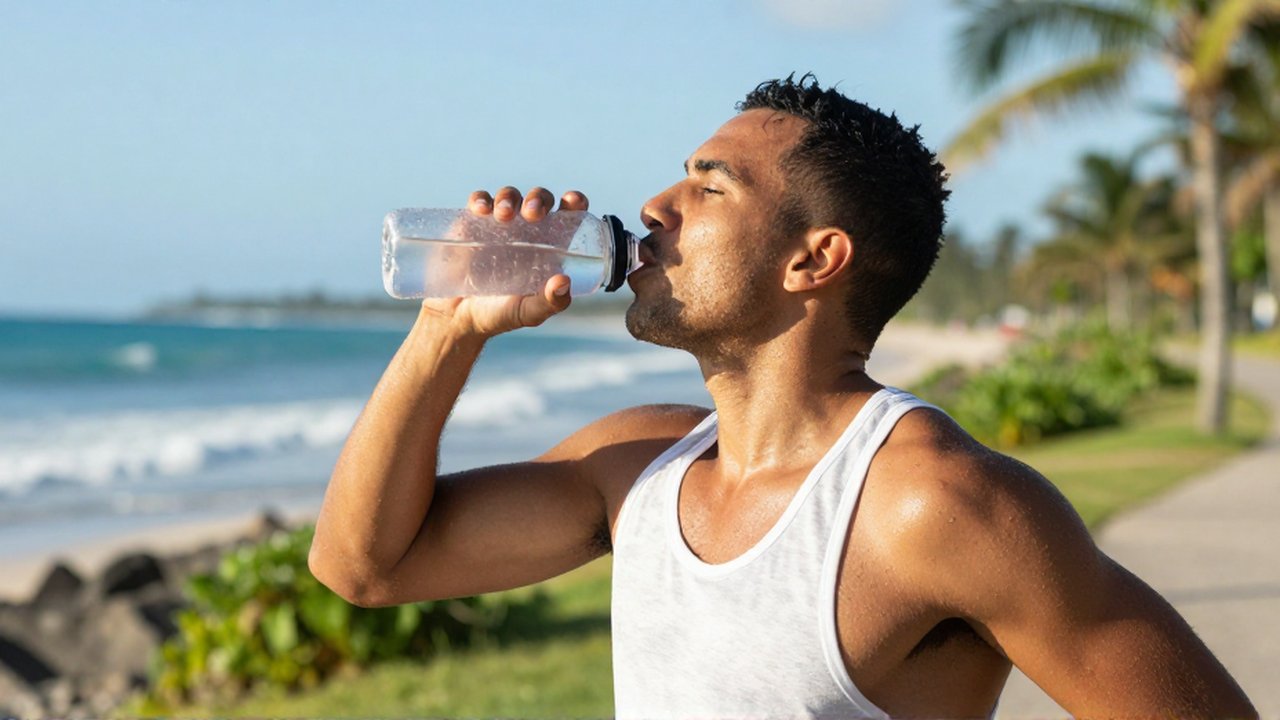
The primary reason glucose accelerates hydration lies in a physiological process known as the sodium-glucose co-transport system. Within the lining of the small intestine, there are specialized proteins called SGLT1 transporters. These proteins act like a biological gateway, but they have specific requirements to function effectively.
To move through this gateway, the transporter requires both a sodium ion and a glucose molecule. When these two elements bind to the transporter, they move together from the intestinal lumen into the cells of the intestinal wall. Crucial to this entire mechanism is the principle of osmosis: as the concentration of solutes (sodium and glucose) increases inside the cells, water naturally follows them to maintain equilibrium. Therefore, by using glucose to "pull" sodium into the cells, the body effectively creates a concentrated path that drags water along with it, speeding up systemic absorption.
Differences between plain water and electrolyte solutions
While plain water is essential for daily life, it lacks the chemical "drivers" necessary for rapid cellular rehydration during high-intensity activity. When you consume large amounts of plain water during heavy sweating, you may experience a temporary increase in blood volume, but the rate of absorption is limited by the body's natural osmotic gradients.
In contrast, a solution containing a precise balance of glucose and electrolytes offers several advantages:
- Increased Osmotic Pressure: The presence of glucose and sodium creates a stronger osmotic pull, drawing water into the bloodstream more aggressively.
- Reduced Gastric Emptying Time: Properly formulated solutions can pass through the stomach more efficiently than pure water in certain physiological states.
- Electrolyte Replacement: Glucose facilitates the uptake of sodium, which is the primary electrolyte lost through sweat, helping to maintain nerve and muscle function.
It is important to note that the concentration matters. If a solution is too high in sugar (hypertonic), it can actually draw water out of your body and into the gut, causing digestive discomfort or delayed hydration.
Optimal ratios for effective rehydration

To harness the benefits of glucose without causing gastrointestinal distress, the concentration of the solution must be carefully managed. The goal is to create an isotonic or slightly hypotonic solution, meaning the concentration of particles matches or is lower than that of human blood.
| Component | Role in Hydration | Importance of Balance |
|---|---|---|
| Glucose | Triggers the SGLT1 transporter | Too much causes stomach cramps |
| Sodium | Maintains osmotic balance and fluid retention | Vital for replacing sweat losses |
| Water | The primary hydrating agent | Must be the dominant volume |
For most active individuals, a solution that provides a small amount of glucose (usually around 2% to 8% carbohydrate concentration) paired with sodium is sufficient to maximize the co-transport mechanism. This ensures the "pump" is working at full capacity without overwhelming the digestive system.
Common mistakes in hydration strategies
One of the most frequent errors made by beginners is relying solely on extremely sugary sports drinks. While these contain glucose, they often contain much higher concentrations of sugar than the body can use for rapid absorption. This can lead to "sloshing" in the stomach or even osmotic diarrhea.
Another mistake is neglecting sodium. Glucose works as a partner to sodium; if you consume glucose without adequate salt, you lose the synergistic effect that drives the co-transport system. Finally, drinking too much too fast can overwhelm the body's ability to process fluids. It is more effective to sip small amounts of a balanced solution consistently than to "chug" large volumes of water or juice at once.
Frequently asked questions
Can I just drink fruit juice to rehydrate faster? Not necessarily. While fruit juice contains glucose and fructose, it is often highly concentrated (hypertonic). Drinking undiluted juice can actually slow down hydration because the high sugar concentration draws water into the intestines rather than absorbing it into the blood.
Is glucose necessary for hydration if I am not exercising? For sedentary activities or low-intensity movement in a cool environment, plain water is usually sufficient. The glucose-assisted mechanism is most beneficial when you are losing fluids rapidly through sweat or have experienced significant dehydration.
How much glucose is too much during a workout? A concentration of 6% to 8% carbohydrate is generally considered the "sweet spot" for athletic performance. Anything significantly higher may lead to gastrointestinal issues and slower gastric emptying.
Does the type of sugar matter? While glucose is the primary driver for the SGLT1 transporter, many modern hydration formulas use a blend of glucose and fructose. This is because fructose uses a different transport pathway, allowing the body to absorb even more total energy and fluid simultaneously.
Leave a Reply