Importance of advanced sabermetrics in modern baseball

Introduction
Sabermetrics represents the application of mathematical and statistical methods to evaluate baseball players and team performance. Traditionally, baseball was judged by surface-level statistics such as batting average or wins and losses, which often failed to capture the full nuance of a player's impact. Today, advanced sabermetrics serve as the backbone of decision-making for front offices, coaching staffs, and analysts worldwide. By isolating specific variables, these metrics provide a clearer picture of skill versus luck, helping teams optimize every aspect of the game.
The importance of this analytical revolution lies in its ability to provide predictive value. Instead of merely looking at what happened in the past, advanced metrics allow teams to forecast how a player might perform in the future or how specific environmental factors might influence results. This shift has transformed baseball from a game of intuition and "scout's eye" into a highly sophisticated science, where data-driven strategies dictate everything from player recruitment to in-game tactical decisions.
Evolution from traditional to advanced statistics

For over a century, baseball relied on "counting stats." These metrics, such as Home Runs, Runs Batted In (RBI), and Batting Average, are easy for fans to understand but can be deeply misleading. For example, a high batting average might not account for a player’s inability to draw walks, nor does it reflect the quality of the pitcher they were facing.
Advanced sabermetrics move beyond these limitations by focusing on efficiency and context. Metrics like On-Base Percentage (OBP) and Slugging Percentage (SLG) were the first step toward a more holistic view, leading to the creation of OPS (On-Base Plus Slugging). Modern analytics have since evolved into even more granular layers, such as:
- Rate-based metrics: Evaluating how productive a player is per opportunity, rather than just total accumulation.
- Contextual metrics: Adjusting performance based on the specific environment, such as the stadium dimensions or the league's overall scoring trends.
- Predictive metrics: Using data points like exit velocity or spin rate to determine if a player's current performance is sustainable.
Decision making in roster construction and player valuation
One of the most significant impacts of sabermetrics is how it has changed the economy of baseball. In the past, players were often overvalued based on flashy, unrepresentative statistics. Sabermetrics allows organizations to identify "undervalued assets"—players who may not look impressive on a standard scoreboard but possess specific skills that lead to winning.
Teams now use data to build rosters with mathematical balance. By analyzing how different player profiles interact, front offices can construct lineups that maximize run production and pitching staffs that minimize run prevention. This approach minimizes the financial risk associated with long-term contracts. Instead of paying for past glory, teams pay for projected statistical contributions, ensuring that every dollar spent aligns with the goal of increasing the team's winning percentage.
Tactical advantages in in-game management
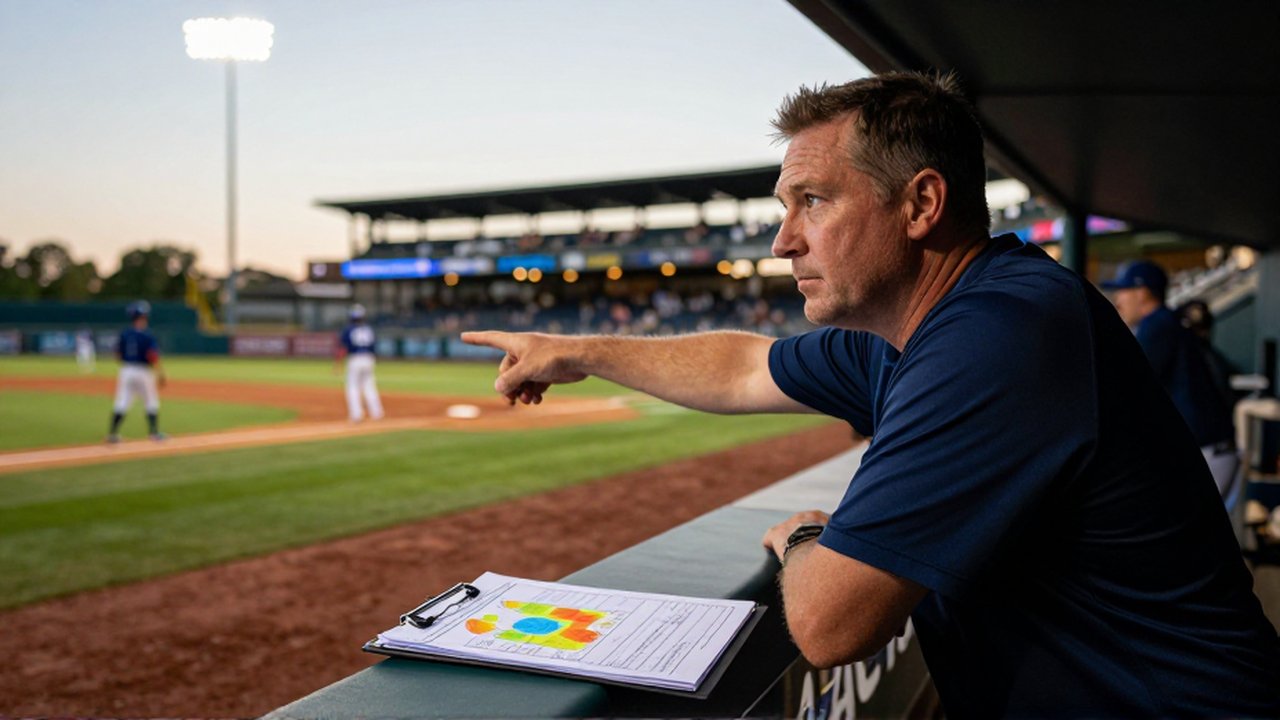
Sabermetrics is not just a tool for the front office; it is a vital resource for managers on the field. Modern coaching involves an ongoing analysis of probabilities. This data influences several key areas of game strategy:
| Tactical Area | Traditional Approach | Sabermetric Approach |
|---|---|---|
| Pitching Selection | Relying on pitcher's "gut" or experience. | Using heat maps and pitch-type effectiveness data. |
| Defensive Positioning | Playing standard positions based on tradition. | Using spray charts to optimize where fielders stand. |
| Base Running | Aggressive running based on player speed. | Calculating the mathematical probability of success for a steal. |
| Batter Matchups | Looking at season-long player averages. | Analyzing specific pitcher-vs-batter historical splits. |
By implementing data-driven defensive shifts and optimized pitching sequences, teams can effectively alter the outcome of individual plate appearances, creating a cumulative advantage over the course of a long season.
Limitations and the human element
While the importance of sabermetrics is undeniable, it is essential to recognize that data is not a substitute for human observation. A common mistake in modern analysis is "data myopia," where analysts focus so heavily on numbers that they ignore the physical or psychological realities of the sport.
Statistical models can struggle to account for:
- Injury risks: Data can show a player is performing well, but it cannot always predict a sudden physical breakdown.
- Mental pressure: The psychological impact of high-stakes moments or changing locker room dynamics is difficult to quantify.
- Small sample sizes: Short bursts of performance can create statistical outliers that do not reflect true talent.
The most successful organizations are those that find a synergy between advanced analytics and traditional scouting. The data provides the "what" and the "how much," while scouts and coaches provide the "why" and the "who."
Frequently asked questions
What is the main difference between traditional and advanced statistics? Traditional statistics focus on what has already occurred (counting results), while advanced statistics focus on how those results were achieved and how likely they are to happen again (efficiency and context).
Can sabermetrics predict future performance? Yes, many advanced metrics are designed specifically to be predictive by focusing on underlying skills, such as contact quality or pitch movement, which are more stable over time than simple outcomes like hits or runs.
Does sabermetrics replace the need for scouts? No. Sabermetrics and scouting are complementary. Data identifies trends and values, while scouts provide qualitative insights into a player's character, physical mechanics, and mental makeup.
Are advanced metrics easy for casual fans to understand? While some are complex, many core advanced metrics like OPS or WAR (Wins Above Replacement) have become standard parts of the baseball lexicon and are easily interpreted once their basic logic is explained.
Leave a Reply