Tips for defensive communication during baseball games
Introduction
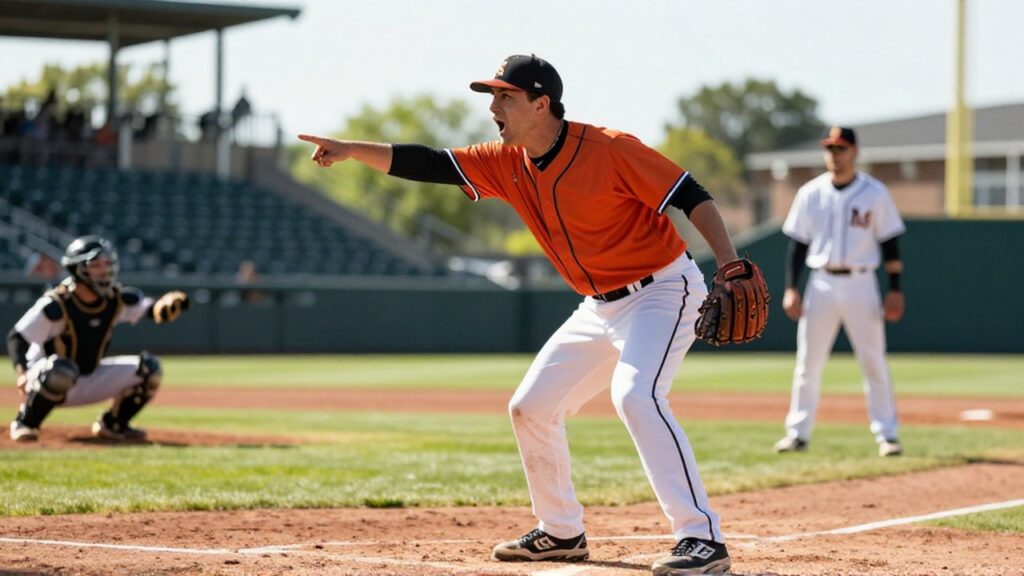
Defensive communication is the backbone of a successful baseball team. It is the continuous exchange of verbal and non-verbal cues used by players to coordinate movements, avoid collisions, and prevent errors. Effective communication ensures that every fielder knows their responsibility during a live play, which is essential for maintaining defensive efficiency and preventing costly mistakes like missed pop-ups or redundant plays.
While physical talent and fielding mechanics are vital, even the most skilled athletes can fail if they do not talk to one another. Communication is most critical during high-pressure moments, such as when two players are converging on a fly ball or when base runners are actively attempting to steal. By mastering the art of calling plays and signaling intentions, a defense becomes a cohesive unit rather than a collection of individuals.
Importance of verbal cues on the field
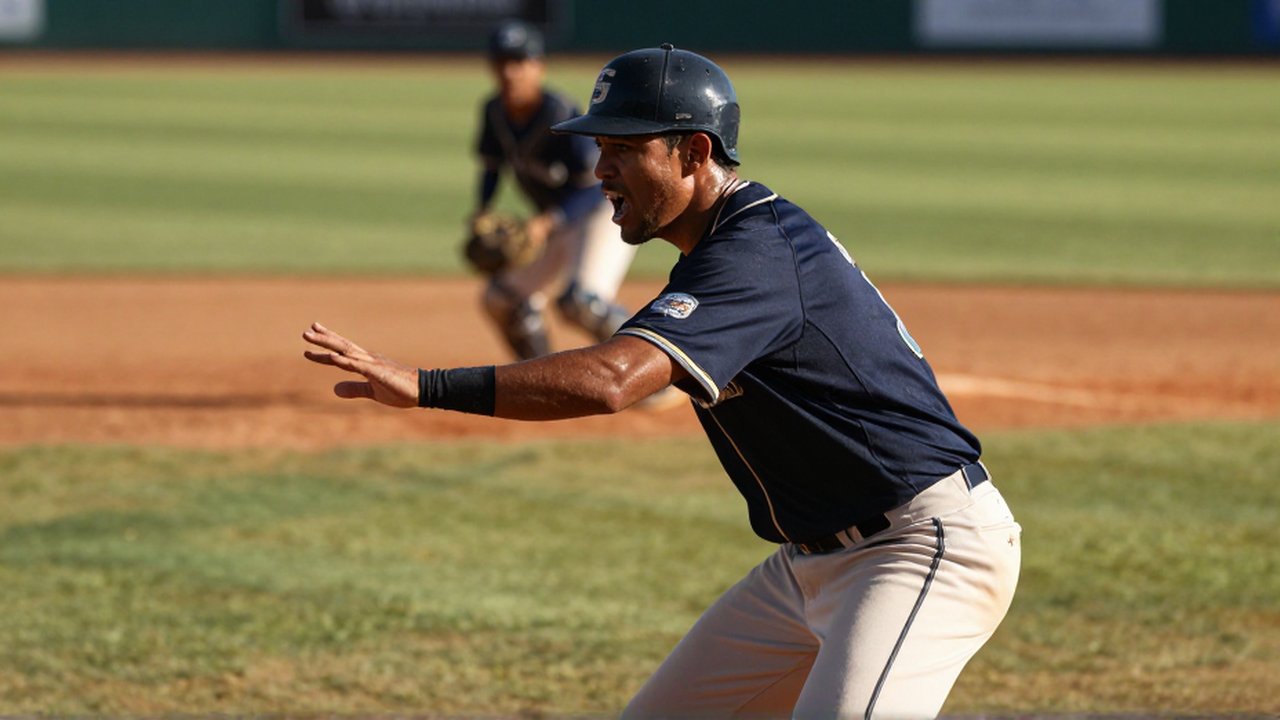
Verbal communication serves as the primary tool for establishing "ownership" of a play. In baseball, ambiguity is the enemy of defense. When two players approach a ball simultaneously without speaking, the result is often a collision or a ball dropping between them. By using loud, assertive, and clear commands, players eliminate doubt.
Common verbal cues include calling for a fly ball by shouting "I got it!" or "Mine!" This must be done early and loudly to ensure the nearest teammate hears it over the crowd or the sound of the bat. Furthermore, communication is essential for relaying information about the runner. A catcher or infielder must constantly update their teammates on whether a runner is advancing, staying put, or attempting a steal.
Coordination during fly ball situations
Fly balls often create the most confusion in a defensive unit. To minimize errors, players should follow a hierarchy of communication based on their positioning. Typically, the player positioned closest to the ball has the primary responsibility, but they must verify this through a vocal signal.
If an outfielder and an infielder both move toward a ball hit into the shallow grass, the outfielder should take charge by calling the ball clearly. If the players are unsure, they should look for non-verbal cues, such as direction of movement, but vocalization remains the gold standard. In situations involving multiple outfielders, the player in the "gap" must communicate with both the corner outfielder and the center fielder to ensure the ball is covered.
Managing base runner movements

Communication during base running scenarios is less about the ball and more about situational awareness. The catcher acts as the "quarterback" of the defense, but their information must reach the infielders and outfielders to be effective.
| Scenario | Key Communication Needed | Primary Communicator |
|---|---|---|
| Stolen Base Attempt | Warning the pitcher or infielders of the runner's movement. | Catcher |
| Double Play Attempt | Signaling the location of the lead runner and the force out. | Middle Infielders |
| Tag Plays | Alerting the fielder to the runner's proximity to the base. | Baserunner/Infielder |
| Advancing Runners | Informing the defense of a runner moving on a fly ball. | Outfielders/Infielders |
Effective defense requires knowing not just where the ball is going, but where the threat is coming from. Infielder-to-infielder communication is vital during double plays, where the shortstop and second baseman must coordinate the exchange to ensure the second baseman is ready to receive the throw.
Common mistakes in defensive talking
One of the most frequent errors is "muttering" instead of shouting. A quiet "mine" can easily be lost in the wind or the noise of the stadium, leading to mid-play hesitation. Communication must be forceful and decisive.
Another mistake is reacting too late. If a player waits until they are under the ball to call it, it is often too late for their teammate to stop their momentum. Effective communication begins the moment the ball makes contact with the bat. Finally, avoid "over-talking" or using confusing jargon. The most effective communication is brief, standard, and easy to understand under pressure.
Frequently asked questions
What is the best way to call for a ball if I am unsure? If you are unsure whether a ball is yours, it is better to call it loudly and then yield if you hear a teammate's more assertive call. However, the goal should be to make a decision as early as possible to avoid hesitation.
Should I communicate with the pitcher during a play? Yes, but usually in a reactive manner. The pitcher needs to know if a ball is hit toward them or if they need to prepare for a play at a specific base. Generally, the fielders provide the information the pitcher needs to execute their role.
How do I communicate when it is very loud in the stadium? In loud environments, rely on a combination of loud, short vocal commands and highly visible hand signals. Using exaggerated body language can help direct teammates when verbal cues are muffled.
Who is responsible for calling out double plays? While the middle infielders are the primary actors, the catcher or the third baseman often provides the initial verbal "alert" regarding the number of outs or the runner's position to set the defense in motion.
Leave a Reply