Best baseball gloves for Dominican youth players
Introduction
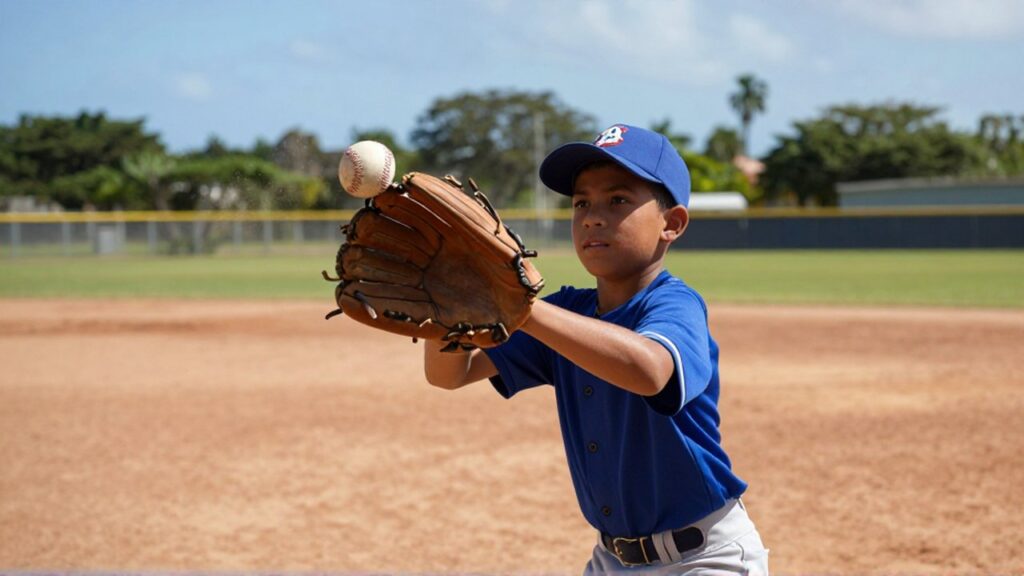
Selecting the right baseball glove is a fundamental step for young athletes in the Dominican Republic aspiring to reach professional levels. A high-quality glove serves more than just a protective purpose; it is an essential tool for developing the hand-eye coordination, fielding technique, and confidence required on the diamond. For youth players, the glove must balance durability with ease of use to ensure that the learning process is rewarding rather than frustrating.
The importance of choosing the correct gear becomes evident during the formative years of training. A glove that is too heavy or too stiff can hinder a child's ability to learn proper fielding mechanics, while a glove that is too small or flimsy will not withstand the intensity of regular practice. By understanding the specific needs of different positions and age groups, parents and coaches can invest in equipment that supports long-term athletic growth.
Importance of proper glove selection for youth development
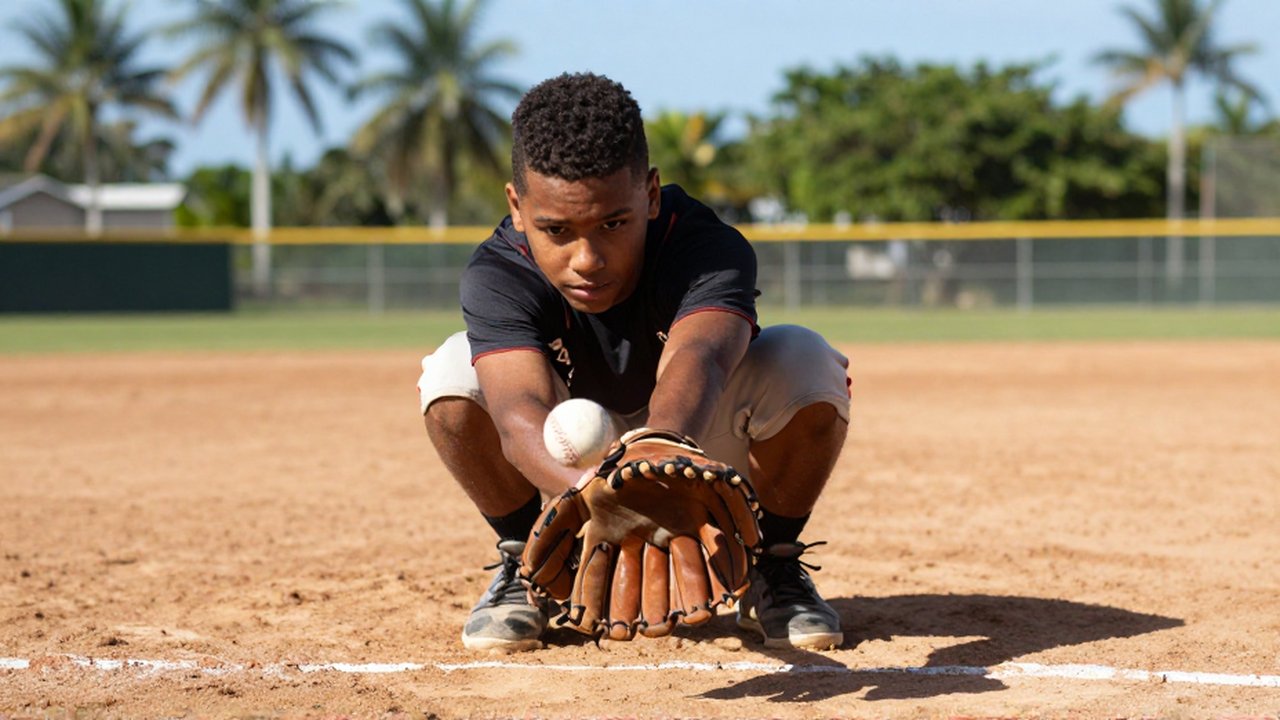
For young players, the glove is an extension of their hands. In the Dominican Republic, where baseball culture is deeply ingrained from a very early age, having the right equipment allows children to participate effectively in local academies and school leagues. A well-fitted glove helps a player focus on the ball rather than struggling with a piece of leather that does not respond to their movements.
When a glove is properly sized and broken in, it promotes better muscle memory. For example, an infielder needs to be able to transition the ball from the glove to their hand quickly to make accurate throws. If the glove is excessively stiff, this transition becomes slow, which can discourage a young player. Therefore, the goal is to find a balance between a "game-ready" feel and the durability needed to survive the tropical climate and frequent use.
Key criteria for choosing the right glove
Choosing a glove requires looking at several technical aspects to ensure the player receives the best possible support.
Size and Fit The size of the glove must correspond to the player's hand size and their specific position on the field. A glove that is too large will feel clumsy, while one that is too small will not provide enough surface area to secure the ball.
Material and Durability High-quality leather is essential for longevity. Since youth players often practice daily, the leather must be able to withstand repetitive impact without losing its shape. Synthetic materials are often more affordable and easier to break in, but genuine leather typically offers a superior feel and longer lifespan.
Position-Specific Designs Different positions require different glove characteristics:
- Infielders: Need smaller, shallower gloves to allow for quick transfers and better feel for the ball.
- Outfielders: Require larger gloves with deeper pockets to secure long fly balls.
- Pitchers: Generally use a standard glove, often with a closed web to hide their grip from the batter.
- Catchers: Require specialized, heavily padded mitts designed to absorb the impact of high-velocity pitches.
Common mistakes when buying baseball gloves
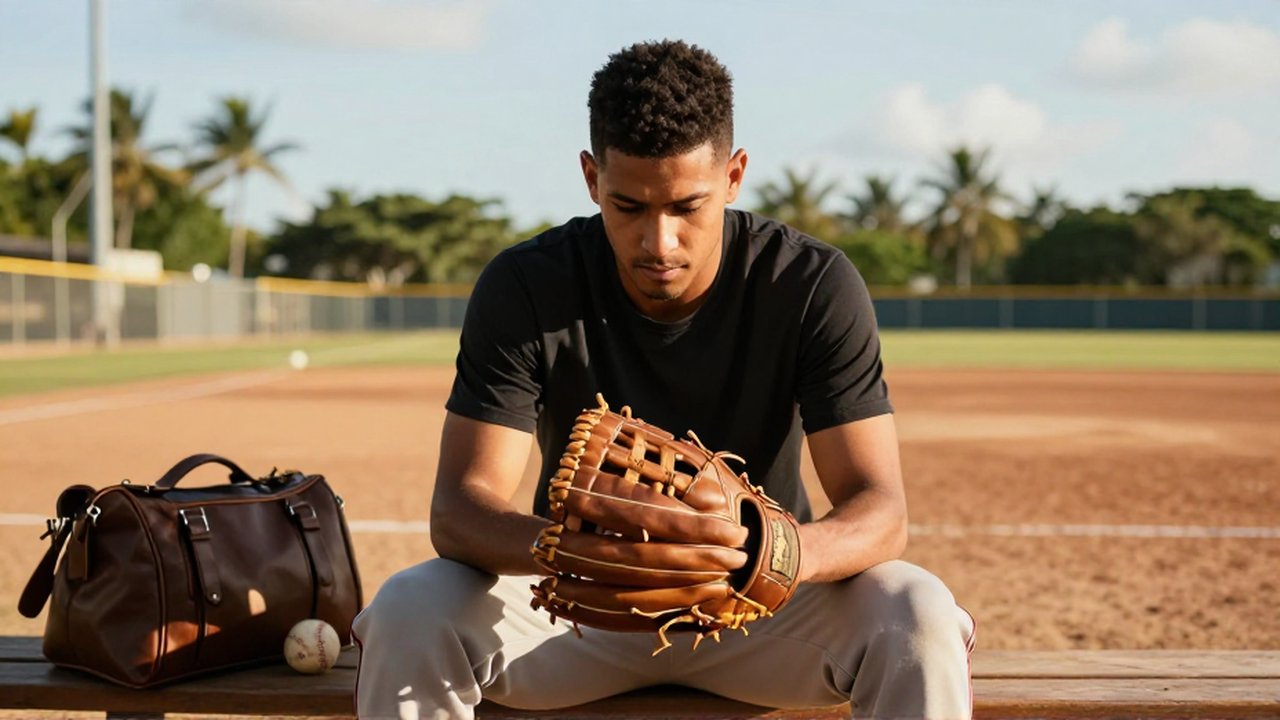
One of the most frequent errors made by parents and beginners is purchasing a glove that is too large in hopes that the child will "grow into it." In baseball, a glove that is too big is difficult to control and can actively hinder the development of proper fielding skills. It is always better to buy a glove that fits the current hand size of the player.
Another common mistake is focusing solely on the brand name without considering the stiffness of the leather. Many professional-grade gloves are designed for adults and are extremely stiff, requiring months of conditioning to become playable. For a youth player, a glove that is too hard to open can lead to a lack of interest in the sport. It is often recommended to look for "ready-to-play" or "pre-broken-in" models for younger children.
Tips for maintaining leather equipment in tropical climates
Given the humidity and heat characteristic of many regions in the Dominican Republic, maintaining the leather is crucial to prevent it from drying out or becoming damaged by moisture.
Regular Cleaning After a game or practice, use a soft cloth to wipe away dirt and sweat. Allowing salt and grime to sit on the leather can cause it to crack over time.
Conditioning Periodically applying a leather conditioner helps keep the material supple. However, it is important not to over-apply, as excessive oil can make the glove too heavy and cause it to lose its shape.
Proper Storage Avoid leaving gloves in hot cars or direct sunlight for extended periods. Heat can cause the leather to become brittle, and extreme moisture can lead to mold or structural warping. Storing the glove in a breathable bag in a cool, dry place is the best practice.
Frequently asked questions
How do I know if a glove is too big for my child? A glove is too big if the child cannot comfortably wrap their fingers around the frame or if the glove shifts excessively on the hand during movement. The fit should feel secure and allow for full finger dexterity.
Should I buy a professional player's glove for a beginner? Generally, no. Professional gloves are often made of very stiff leather designed for adult strength. For a youth beginner, a glove that is easier to break in and more lightweight is much more beneficial for skill development.
What is the difference between an infielder glove and an outfielder glove? Infield gloves are smaller and have shallower pockets to facilitate quick ball transfers. Outfield gloves are larger with deeper pockets to help catch balls hit high or deep into the outfield.
How long does it take to break in a new leather glove? This varies depending on the quality of the leather and the methods used. Some "game-ready" gloves are ready immediately, while traditional leather gloves may take several weeks of regular use and light conditioning to become fully flexible.
Leave a Reply