How to practice volleyball blocking drills alone
Introduction
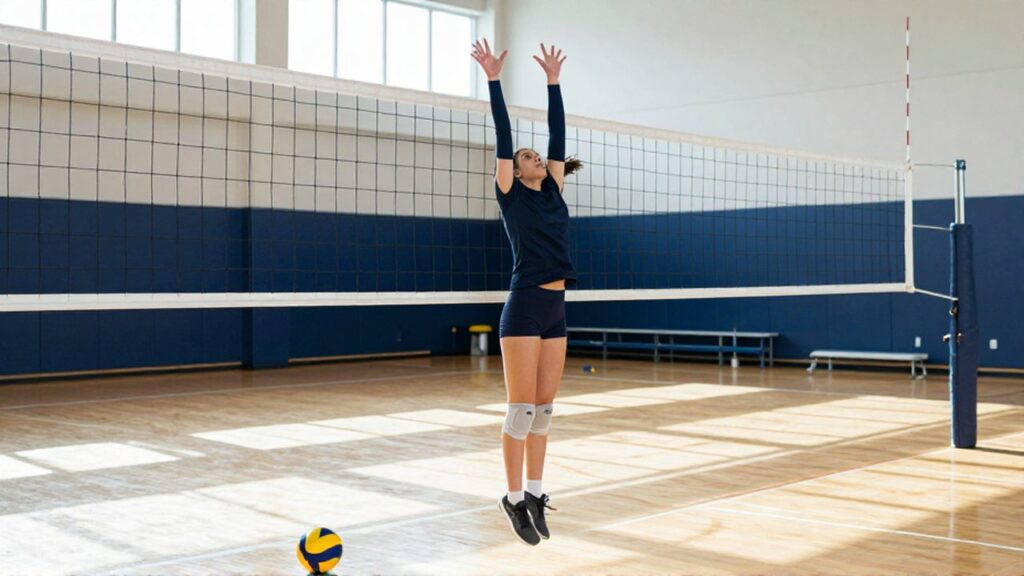
Mastering the art of blocking is essential for any volleyball player looking to dominate the net. Blocking is not just about height; it involves precise timing, lateral movement, hand positioning, and explosive verticality. Because blocking is a reactive skill, players often feel they need a setter or a hitter to practice effectively, but this is a common misconception.
Practicing blocking drills alone allows you to isolate specific mechanics without the distraction of a fast-moving game. By focusing on individual components like footwork patterns, jump height, and hand penetration, you can build the muscle memory required to execute successful blocks during a live match. This solitary training is most appropriate during the off-season or as a supplementary part of a regular training routine to refine technical flaws.
Importance of solo blocking training
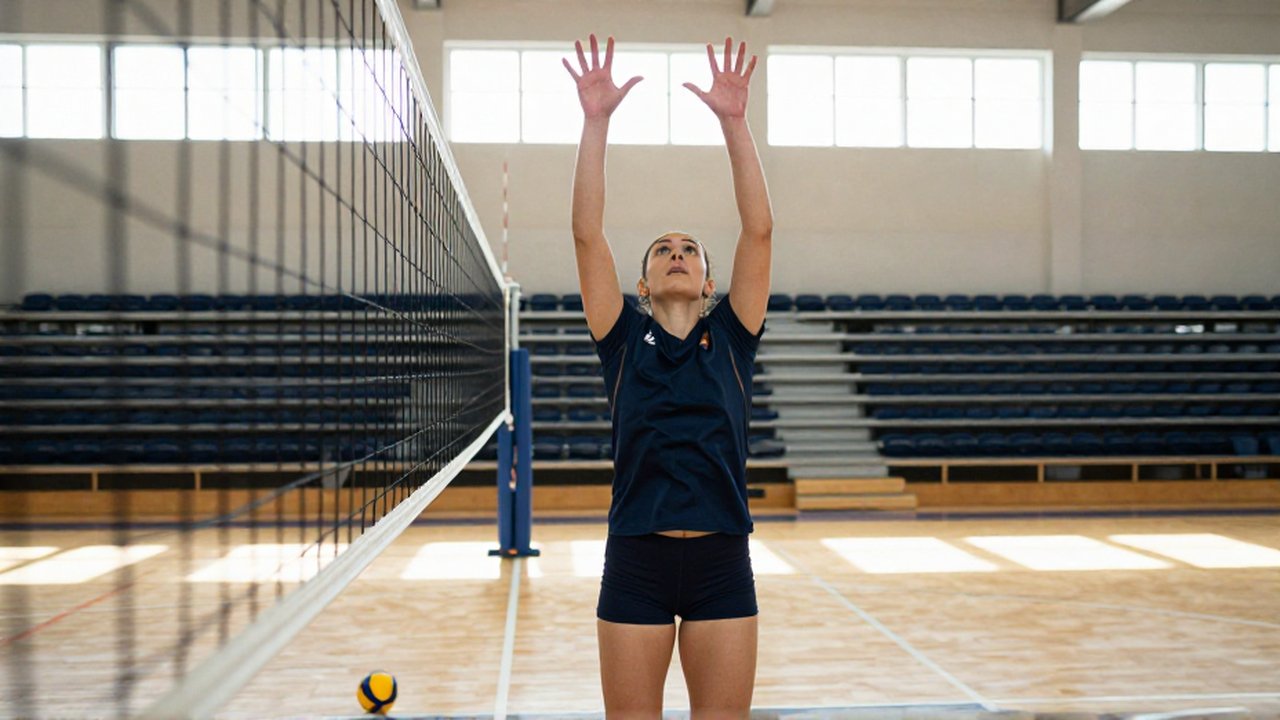
Training alone provides a controlled environment where you can focus on "micro-movements." In a team setting, you are often reacting to a ball, which can sometimes mask poor technique. When you drill by yourself, you can slow down the process to ensure your feet are hitting the floor correctly and your hands are reaching over the net rather than just jumping straight up.
Developing strength and agility through solo drills helps improve your "closing speed"—the ability to move from your base position to the net quickly. This preparation ensures that when you are finally in a game, your body responds instinctively to the attacker's movements.
Essential solo blocking drills
To improve as a blocker, you should divide your training into specific phases: footwork, explosive jumping, and hand technique.
Lateral Shuffle and Step-Close Drills Footwork is the foundation of a good block. Start at the center of the net and practice lateral shuffles toward the pins (the left and right sides of the net). 1. Perform three rapid lateral shuffles to the right. 2. Immediately transition into a "step-close" movement to simulate a block jump. 3. Reset and repeat to the left. This drill builds the coordination needed to move quickly across the net to intercept an attacker.
Wall Block Penetration Drills Hand positioning is what separates a good blocker from a great one. Find a smooth wall near a net or use the net itself if you have access to a court. 1. Stand at a distance that mimics your blocking position. 2. Jump vertically and focus on "penetrating" the plane of the net. 3. Instead of jumping straight up, reach your hands forward and slightly downward over the imaginary net. 4. Use a wall to simulate the resistance of the ball, ensuring your fingers remain firm and spread wide.
Block Jump Explosiveness Verticality is key to stopping high-contact points. 1. Perform repeated approach jumps (the three-step或four-step approach) without a ball. 2. Focus on the penultimate step (the long, explosive step) that converts horizontal momentum into vertical lift. 3. Hold the peak of your jump for a split second to practice body control and stability in the air.
Common mistakes to avoid
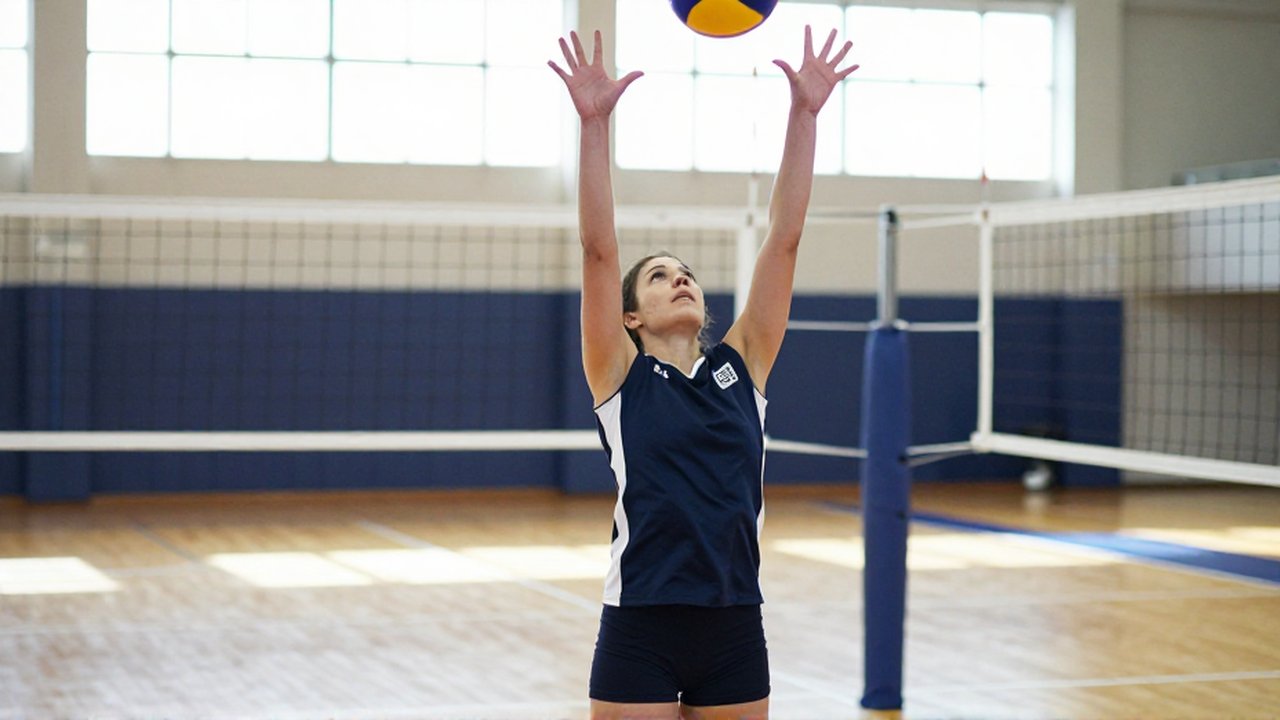
Even when practicing alone, it is easy to develop bad habits that can actually hinder your performance in a real game.
- Jumping too close to the net: Many players jump so close that they risk touching the net with their body. Always practice maintaining a small gap while ensuring your hands penetrate the vertical plane.
- Lazy footwork: Moving with heavy or slow feet will make you late to every attack. Your footwork should be light, quick, and rhythmic.
- Soft hands: If your hands are limp or your fingers are not spread, the ball will easily deflect off your arms. Always keep your hands "strong" and active.
- Looking at the floor: When jumping, keep your eyes up. If you look down at your feet, you lose track of the "attack" point and your balance suffers.
Necessary equipment for solo practice
You do not need a full team to see results, but a few basic items can enhance your training:
- A volleyball: To practice hand contact and reaction.
- A wall: Excellent for simulating the net and practicing hand tension.
- A resistance band: Great for strengthening the muscles used in lateral movement and explosive jumping.
- A jump rope: Useful for improving the fast-twitch muscle fibers and foot agility required for quick transitions.
Frequently asked questions
Can I improve my blocking without a high jump? Yes. While vertical reach is helpful, effective blocking relies heavily on timing and hand penetration. Improving your ability to read the hitter and getting your hands over the net can compensate for a lack of extreme height.
How often should I perform these drills? For best results, integrate these drills into your routine 2 to 3 times per week. Consistency is more important than duration; 15–20 minutes of focused technical work is more effective than an hour of disorganized jumping.
Is it better to practice footwork or jumping first? Always prioritize footwork. If your feet do not get you to the correct position underneath the ball, your jumping ability becomes irrelevant. Build a solid foundation of movement before focusing on explosive power.
Leave a Reply