Comparing 4-2 and 5-1 volleyball offensive formations

Introduction
In volleyball, offensive formations serve as the structural blueprint for how a team organizes its players to transition from defense to attack. Choosing the right system is critical because it dictates the rhythm of the game, the complexity of the plays, and the specific roles assigned to each athlete on the court. Understanding these formations allows coaches and players to optimize their strengths and overcome the limitations of their current roster.
The decision between using a 4-2 or a 5-1 formation typically depends on the skill level of the team and the availability of specialized players. While one system offers simplicity and consistency, the other provides a layer of complexity and attacking power that is standard in high-level competitive play. Mastering these configurations is a fundamental step in progressing from a recreational or developmental level to a highly competitive tactical environment.
Understanding the 4-2 offensive system
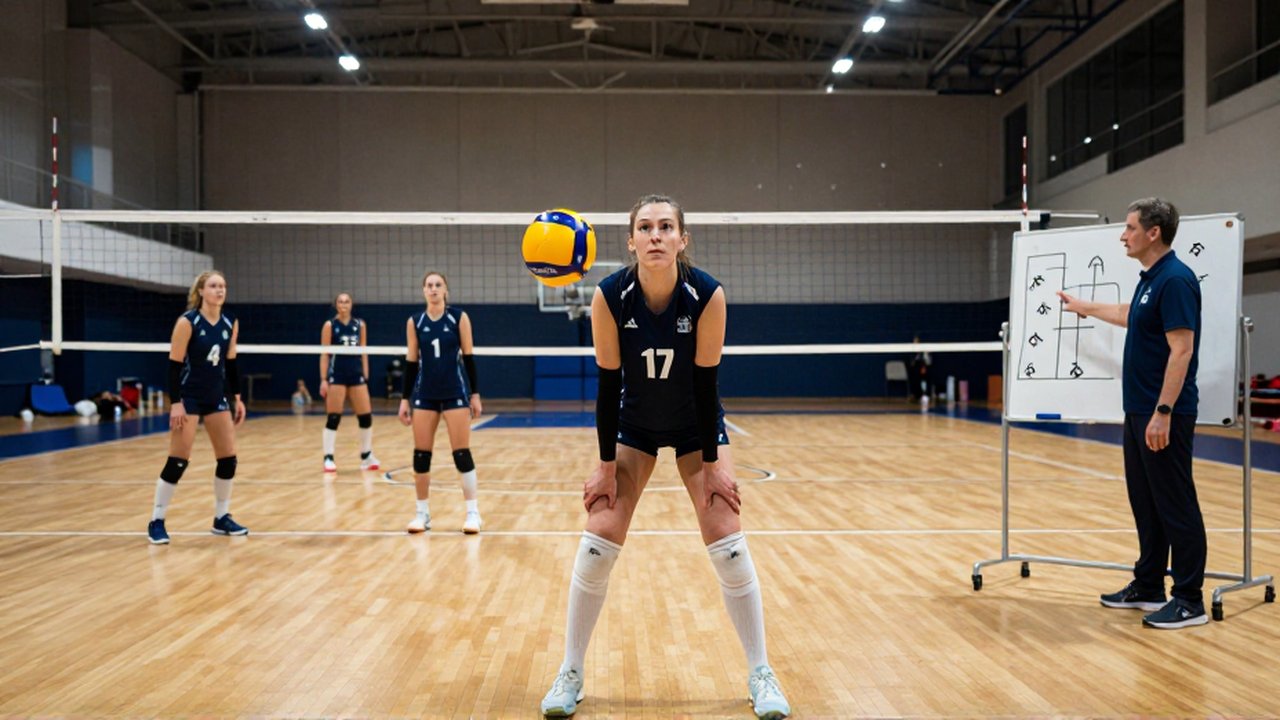
The 4-2 formation is the most fundamental offensive structure used in grassroots and developmental volleyball. In this system, the numbers "4" and "2" represent the number of attackers and setters, respectively. Specifically, there are four hitters and two setters on the court at any given time. The two setters are positioned in a way that ensures one setter is always in the front row to direct the offense.
Because there is always a setter in the front row, the 4-2 system is characterized by simplicity. The setter's primary role is to act as the passer and the playmaker simultaneously. This makes the system very predictable for both the team and the opposing blockers. It is an ideal starting point for beginners because it minimizes the need for complex movement and allows players to focus on basic skills like setting accuracy and hitting timing.
The main limitation of the 4-2 system is the reduction in attacking options. Since one of the two setters is always in the front row, they function as a hitter when the ball is played, but they cannot act as a dedicated playmaker from the back row. This limits the total number of specialized attackers available to break through a defense, making it harder to compete against teams with highly coordinated defensive structures.
Analyzing the 5-1 offensive system
The 5-1 formation is the global standard for professional and high-level collegiate volleyball. In this configuration, the numbers signify five attackers and one setter. This system utilizes a single setter who operates from both the front and the back rows, creating a more dynamic and multifaceted offense.
When the setter is in the back row, the team can utilize three front-row hitters, which significantly increases the pressure on the opposing blockers. When the setter moves to the front row, they become part of the offensive line, but the team still maintains a high level of complexity due to the setter's ability to run diverse plays from different court positions. This specialization allows for much more sophisticated tactics, such as quick attacks, slides, and back-row hits.
The primary advantage of the 5-1 system is the consistency of the offensive rhythm. Since there is only one person responsible for setting, the hitters become accustomed to the specific touch, speed, and height of a single individual. However, this system requires a much higher level of athleticism and technical skill. The setter must be able to call plays and lead the team while being an offensive threat themselves, and the hitters must have mastered complex timing to exploit the extra attacking options.
Key differences between the two formations
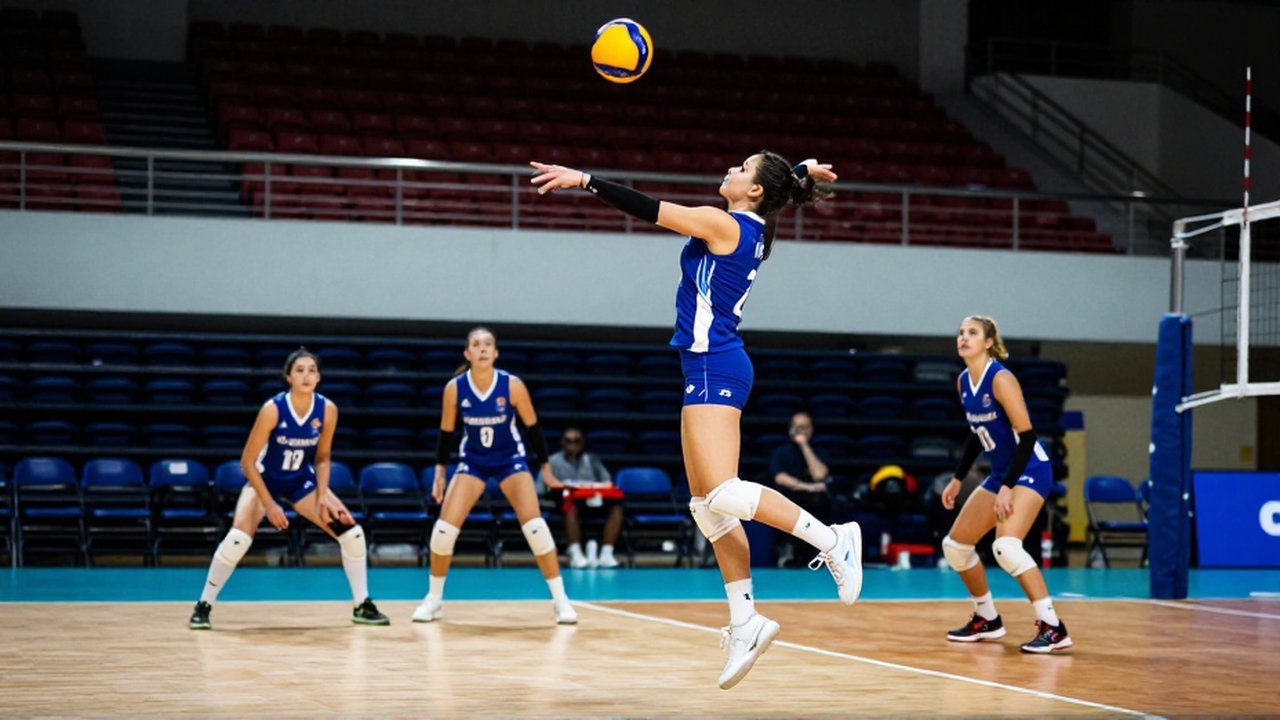
When deciding which system fits a team, it is necessary to look at specific tactical variables. The following table highlights the primary distinctions between the 4-2 and 5-1 systems.
| Feature | 4-2 Formation | 5-1 Formation |
|---|---|---|
| Primary Setter(s) | Two setters | One specialized setter |
| Attacking Strength | Moderate (limited hitters) | High (more attacking options) |
| Complexity | Low (easier to learn) | High (requires advanced timing) |
| Setter Role | Sets from the front row | Sets from both front/back rows |
| Typical Level | Beginner to Intermediate | Advanced to Professional |
The choice often boils down to personnel. If a team has two capable setters but lacks highly specialized hitters, the 4-2 is efficient. If a team possesses a standout setter and strong, versatile attackers, the 5-1 will almost always provide a competitive edge.
Decision criteria for coaching and implementation
Transitioning from a 4-2 to a 5-1 is a significant milestone in a team's development. Coaches should consider several factors before making this tactical shift. First, evaluate the technical proficiency of your setter. A 5-1 system places an immense burden on the setter to be the "brain" of the team; if they cannot handle the pressure of running the offense from the back row, the system will fail.
Second, assess the depth of your hitting roster. A 5-1 requires players who can execute various types of attacks and can transition quickly from defensive positions to offensive approaches. Finally, consider the tactical maturity of the team. The 5-1 introduces more "noise" in terms of player movement and timing. If the team's passing is inconsistent, the extra complexity of the 5-1 can lead to more errors rather than more points.
Frequently asked questions
Can a team use both formations in a single match? Yes, many coaches use the 4-2 as a way to stabilize the game if the primary setter is struggling or to utilize different player combinations during substitutions, though the 5-1 is usually the primary strategy.
Why is the 5-1 considered more difficult for hitters? Hitters must adapt to a single setter's style, but they must also learn much more complex approach angles and timing to utilize the various offensive patterns that the 5-1 allows.
Does the 4-2 formation make it harder to defend? The formation itself does not dictate defense, but because the 4-2 has fewer specialized attackers, the opposing team can often focus more heavily on the available hitters, making the offense easier to shut down.
Is a specialized setter required for a 5-1? Yes, because the setter in a 5-1 is responsible for every single offensive play regardless of their position on the court, they must possess exceptional ball control and tactical awareness.
Leave a Reply