Top protein sources for muscle recovery in DR

Introduction
Muscle recovery is a fundamental pillar of physical fitness, especially for those engaging in intense training routines like weightlifting, running, or competitive sports. After a workout, the muscle fibers undergo microscopic tears that require specific nutrients to repair and grow stronger. Protein provides the essential amino acids necessary to facilitate this biological repair process, making it the most critical macronutrient for anyone looking to improve their athletic performance and body composition.
In the Dominican Republic, achieving optimal protein intake is highly accessible due to the abundance of fresh, high-quality local foods. Integrating these local staples into your daily diet allows you to fuel your recovery efficiently without relying solely on expensive imported supplements. By understanding which local protein sources offer the best nutritional profiles, you can optimize your post-workout window and ensure your body recovers as quickly as possible for your next session.
Benefits of protein for muscle repair

When you exercise, your body enters a state of muscle protein breakdown. To transition into a state of muscle protein synthesis—which is how muscles actually grow and heal—you must consume enough protein to provide the building blocks required. Consuming protein after physical exertion helps reduce muscle soreness, prevents muscle wasting, and supports the structural integrity of connective tissues.
For athletes in the Caribbean climate, where hydration and nutrient timing are crucial, prioritizing protein helps maintain metabolic health and supports the immune system. A steady supply of amino acids ensures that the body does not have to scavenge existing muscle tissue for energy or repair, which is vital for long-term fitness progress.
Essential animal protein sources in the local market
The Dominican Republic offers a wide variety of animal-based proteins that are excellent for muscle recovery due to their complete amino acid profiles.
Poultry and Eggs Chicken is perhaps the most versatile and widely available protein source in the country. Skinless chicken breast is particularly effective because it is high in protein and relatively low in fat. Eggs are another nutritional powerhouse; they provide high-quality protein and healthy fats that assist in hormone production, which is essential for recovery.
Fresh Fish and Seafood Thanks to our coastal location, fresh fish is a premier choice for fitness enthusiasts. White fish like red snapper are lean protein sources, while fatty fish like sardines or tuna provide omega-3 fatty acids. These essential fats are known to help reduce inflammation, further aiding the recovery process after strenuous training.
Red Meat and Dairy Lean cuts of beef provide not only protein but also essential micronutrients like iron and zinc, which are necessary for energy metabolism. Additionally, local dairy products such as Greek-style yogurt or fresh cheese (queso blanco) offer slow-digesting proteins like casein, making them excellent options for sustained amino acid release during sleep.
Plant-based protein options for varied diets
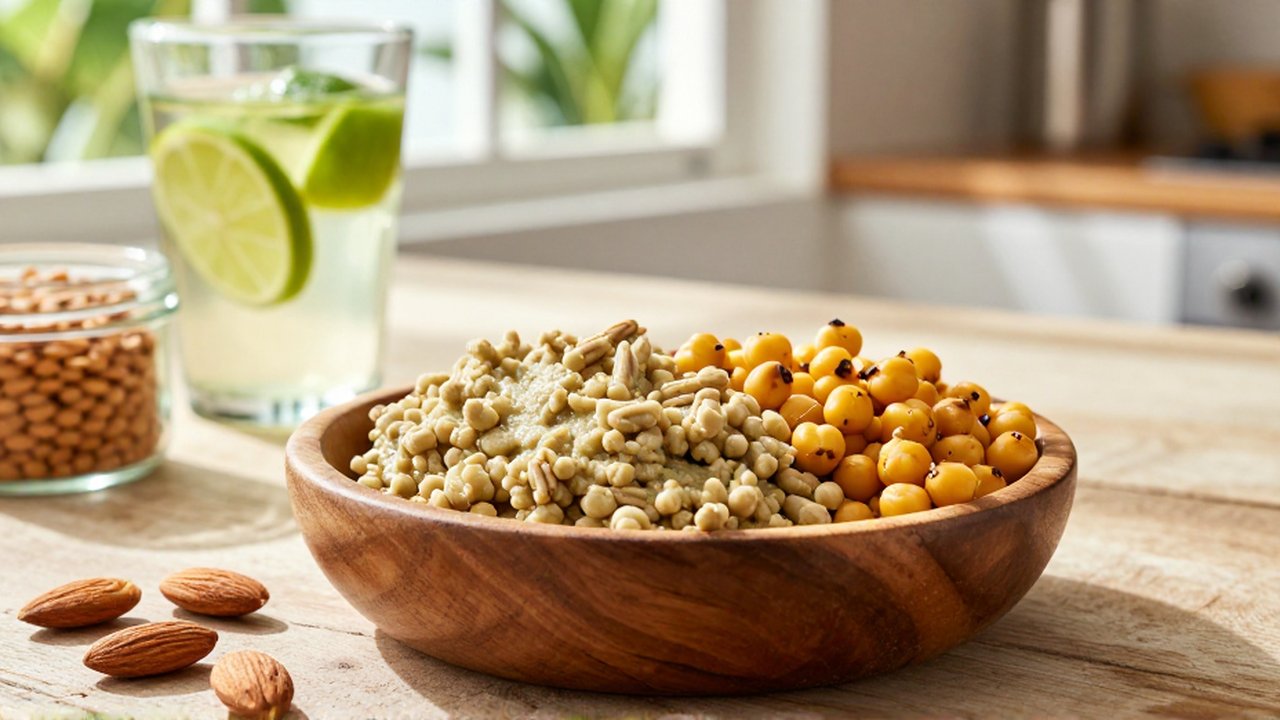
For those following a vegetarian or vegan lifestyle, or simply looking to diversify their intake, several plant-based options are abundant in the Dominican Republic.
| Protein Source | Primary Benefit | Best Way to Consume |
|---|---|---|
| Beans and Legumes | High fiber and steady energy | Combined with rice for a complete amino acid profile |
| Lentils | Rich in iron and folate | In soups or stews |
| Chickpeas | Versatile macronutrient profile | In salads or as a snack |
| Nuts and Seeds | Healthy fats and protein | As a topper for fruit or yogurt |
Integrating legumes like red kidney beans (habichuelas) with grains like rice is a traditional and scientifically sound way to ensure you receive a complete protein profile. While plant proteins may sometimes be lower in certain amino acids, a varied diet of legumes, nuts, and seeds can effectively meet the needs of a recovering athlete.
Tips for optimizing protein timing and consumption
To maximize the effectiveness of these protein sources, consider the following strategies:
- Prioritize Post-Workout Nutrition: Aim to consume a protein-rich meal or snack within one to two hours after your training session to kickstart the repair process.
- Distribute Intake Throughout the Day: Instead of eating all your protein in one large meal, spread it across breakfast, lunch, and dinner to maintain a consistent supply of amino acids in your bloodstream.
- Combine Sources: If eating plant-based, mix different types of proteins (e.g., beans and rice, or peanut butter on whole-grain bread) to ensure you are getting all essential amino acids.
- Balance with Carbohydrates: Protein alone is not enough for optimal recovery; carbohydrates are needed to replenish glycogen stores, which provides the energy for your next workout.
Frequently asked questions
How much protein do I need daily for recovery? While specific needs vary based on body weight and training intensity, a general guideline for active individuals is to consume a certain amount of protein per kilogram of body weight throughout the day.
Is it better to eat protein before or after a workout? Both are important. Protein before a workout can prevent excessive muscle breakdown, while protein after a workout is essential for repairing the damage done during exercise.
Can I rely solely on protein shakes for muscle recovery? Protein shakes are convenient supplements, but they should complement a diet based on whole, nutrient-dense foods. Whole foods provide additional vitamins, minerals, and fiber that shakes often lack.
Are plant proteins as effective as animal proteins? Plant proteins are highly effective, provided you consume a variety of them to ensure you receive a full spectrum of essential amino acids.
Leave a Reply