Tips for choosing protective gear for contact sports

Introduction
Contact sports, ranging from baseball and rugby to martial arts, involve high levels of physical intensity and the unavoidable risk of impact. Protective gear is designed to mitigate these risks by absorbing energy, distributing force, and shielding vital organs and skeletal structures from injury. Investing in the right equipment is not merely a matter of convenience; it is a critical component of injury prevention and long-term athletic health.
Choosing the correct gear requires an understanding of the specific mechanics of your sport and an awareness of how different materials respond to impact. Using ill-fitting or low-quality protection can create a false sense of security while potentially increasing the risk of injury through restricted movement or improper coverage. This guide provides the necessary criteria to select equipment that ensures both safety and optimal performance.
Importance of sport specific equipment
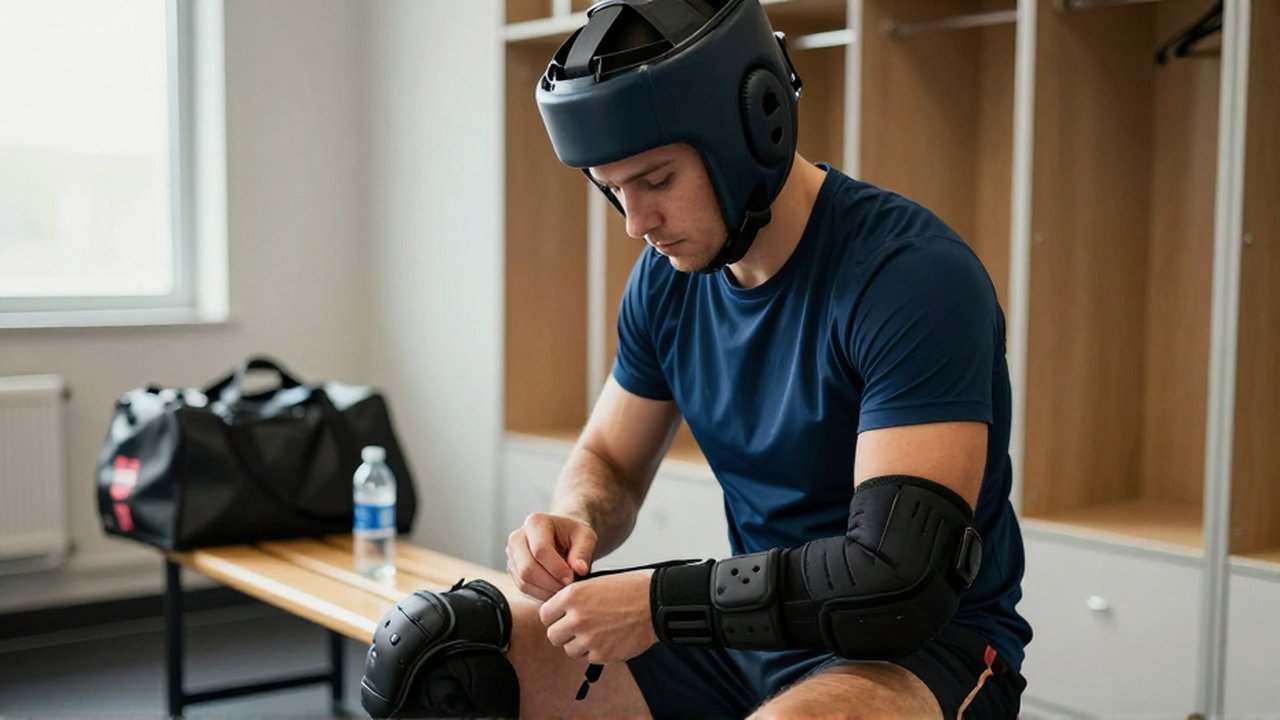
Not all protective gear is created equal, and the design of an item depends heavily on the type of impact expected during play. In sports like baseball, protection focuses on protecting the hands and extremities from high-velocity projectiles, whereas in combat sports, the emphasis shifts toward head, jaw, and torso protection.
When selecting gear, you must first identify the primary threats of your discipline. For example, if the sport involves frequent collisions between players, you may require padding that offers high energy absorption. If the sport involves equipment striking the body, such as a bat or ball, you need hard-shell protection capable of dispersing concentrated force. Selecting generic gear for a specialized sport often results in inadequate coverage of vulnerable areas.
Key criteria for selecting high quality gear
To ensure you are purchasing effective protection, evaluate each piece of equipment based on three fundamental pillars: material integrity, fit, and certification.
Material and Construction Look for materials known for their durability and impact-absorption properties. High-density foams, hard plastics, and reinforced composites are standard in quality gear. The thickness and layering of these materials determine how much kinetic energy is absorbed before it reaches your body.
Fit and Ergonomics Even the most advanced helmet or guard is useless if it moves during play. Protective gear must be snug enough to stay in place during rapid movements but flexible enough to allow for a full range of motion. If a piece of equipment restricts your ability to perform technical movements, it may cause you to compensate with poor form, leading to secondary injuries.
Safety Standards and Certifications Reliable manufacturers test their products against standardized impact protocols. Look for labels or mentions of recognized safety certifications. These indicate that the gear has been subjected to rigorous testing to ensure it meets minimum safety thresholds for the specific sport it is intended for.
| Feature | What to Look For | Why It Matters |
|---|---|---|
| Padding | Multi-density foam | Distributes impact across a wider area |
| Shell | Hardened composites | Prevents penetration and structural failure |
| Straps/Fasteners | Adjustable and secure | Ensures the gear remains correctly positioned |
| Ventilation | Airflow channels | Prevents overheating and discomfort |
Common mistakes to avoid when buying protection

One of the most frequent errors is prioritizing aesthetics or brand name over actual protective specifications. A piece of equipment might look professional, but if it lacks the necessary density to absorb a specific type of impact, it is insufficient for contact sports.
Another common mistake is purchasing gear that is too large in an attempt to "grow into it" or to allow for extra clothing. Loose gear shifts during high-intensity movement, creating gaps where the body is exposed to impact. Furthermore, failing to replace gear after a significant impact is a dangerous oversight. Most protective materials, especially foams, undergo structural fatigue after a heavy collision; even if no visible damage is apparent, the internal ability to absorb energy may be compromised.
Maintenance and longevity of protective accessories
To maintain the efficacy of your gear, regular inspections are mandatory. Check for cracks in hard shells, compression or thinning of foam padding, and fraying of straps or fasteners. Cleaning should be done according to the manufacturer's instructions to avoid degrading the chemical integrity of the protective materials.
Store your equipment in a cool, dry place away from direct sunlight. Excessive heat can cause certain plastics and foams to warp or lose their resiliency, while moisture can lead to bacterial growth or material degradation. Treating your gear as a piece of technical equipment rather than a simple accessory will extend its lifespan and ensure it remains reliable during competition.
Frequently asked questions
How often should I replace my protective gear? While there is no universal timeline, gear should be replaced immediately after a major impact that causes visible damage. Generally, it is wise to inspect the structural integrity of foams and shells every season to account for natural wear and material fatigue.
Can I wear multiple layers of different brands of gear? While layering can sometimes provide extra cushioning, it is generally not recommended unless the gear is specifically designed to be worn together. Over-layering can restrict movement and cause the gear to shift improperly, negating the benefits of the protection.
Does expensive gear always mean better protection? Price is often an indicator of quality, but it is not a guarantee of superior safety. Always prioritize gear that meets specific safety certifications and fits your body type perfectly over expensive brands that may not be optimized for your specific sport.
How do I know if my gear fits correctly? The gear should feel secure and immobile when you perform the specific movements required by your sport. If you feel the item sliding, shifting, or creating pressure points during movement, the fit is incorrect and needs adjustment or replacement.
Leave a Reply