How to track progress during endurance training cycles

Introduction
Tracking progress during endurance training cycles is the process of measuring physiological, performance, and psychological changes over a specific period. It serves as a vital feedback loop that allows athletes to determine if their current training volume, intensity, and recovery are effectively driving adaptations. By monitoring specific metrics, you can transition from guessing to making data-driven decisions about your training load.
This practice is essential for anyone engaged in long-distance running, cycling, or swimming, particularly when preparing for a specific event or competition. Without structured tracking, it is difficult to identify plateaus, detect signs of overtraining, or know when to increase intensity. Implementing a systematic approach ensures that every training session contributes toward your long-term fitness goals.
Effective monitoring helps maintain the balance between stimulus and recovery. In endurance sports, much of the progress is incremental and sometimes invisible to the naked eye. Using a combination of quantitative data and qualitative sensations provides a comprehensive view of your evolving capacity, ensuring that your training cycles remain productive and sustainable.
Essential metrics for performance monitoring
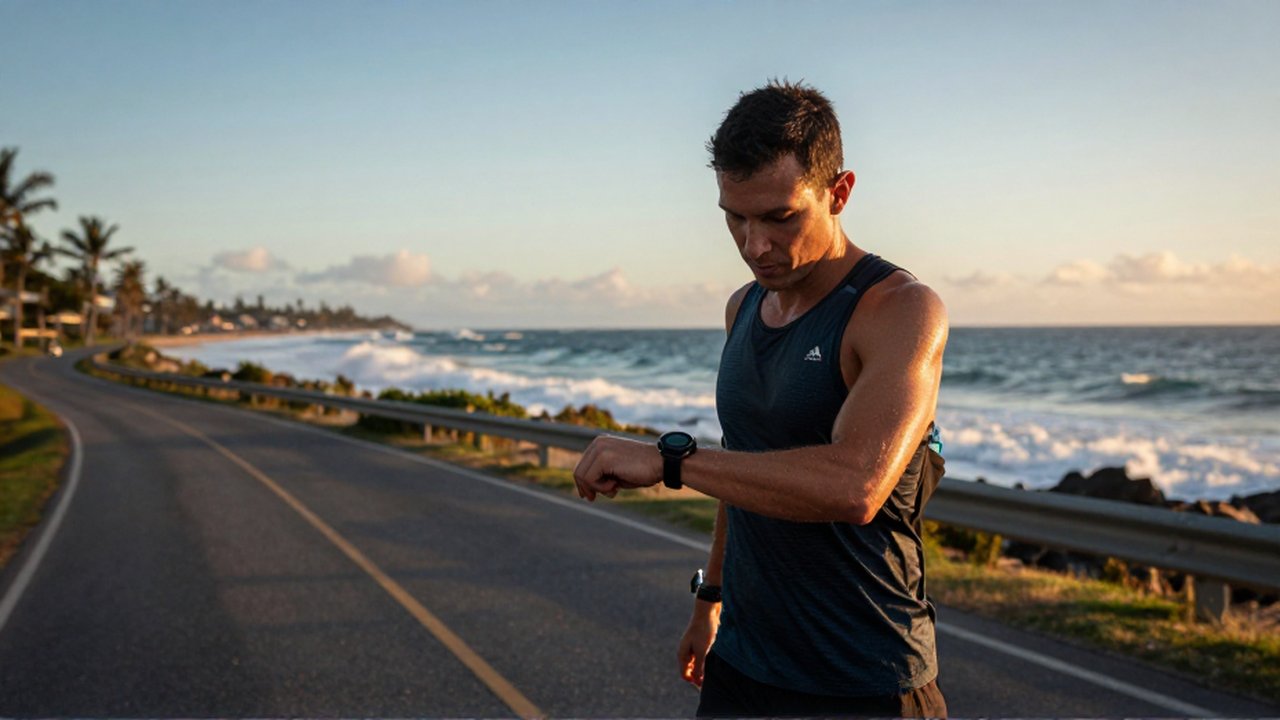
To understand how your body is responding to endurance demands, you must monitor several key indicators. These can be divided into internal load (how your body feels and responds) and external load (the actual work performed).
External load metrics focus on the physical output of your sessions. For runners, this might include pace, distance, or elevation gain. For cyclists, it includes power output or total distance covered. Monitoring these metrics allows you to ensure you are meeting the specific volume and intensity requirements of your training plan.
Internal load metrics provide insight into the physiological cost of that work. The most common way to track this is through heart rate. By observing your heart rate response to a standardized effort over time, you can see if your cardiovascular efficiency is improving. For example, if you can maintain the same running pace at a lower average heart rate than a month ago, your aerobic capacity has likely increased.
| Metric Type | Examples | Primary Use |
|---|---|---|
| External Metrics | Pace, Distance, Power, Elevation | Measuring work performed and volume |
| Internal Metrics | Heart Rate, RPE, HRV | Measuring the biological cost of the work |
| Recovery Metrics | Resting Heart Rate, Sleep, Soreness | Assessing readiness and fatigue levels |
Using perceived exertion and subjective data
While technology provides precise numbers, the Rate of Perceived Exertion (RPE) is one of the most reliable tools in an endurance athlete's arsenal. RPE is a subjective scale, typically from 1 to 10, used to rate how hard a specific training session felt.
Logging your RPE alongside your digital data allows you to catch discrepancies. If your GPS watch shows a "moderate" pace, but your RPE is a 9 out of 10, this is a significant indicator that you may be fatigued, under-recovered, or approaching illness. This qualitative data provides the context that raw numbers often lack.
In addition to RPE, tracking subjective wellness factors can prevent injury and burnout. Note down the following daily:
- Sleep quality: Essential for hormonal regulation and tissue repair.
- Muscle soreness: Helps differentiate between expected adaptation and potential injury.
- Mood and motivation: Sudden drops in motivation can be early signs of overreaching.
Analyzing trends over training blocks

A common mistake in endurance training is focusing too heavily on the results of a single workout. Progress in endurance sports is best viewed through the lens of long-term trends rather than daily fluctuations.
During a training cycle, you will experience phases of accumulation (increasing volume) and realization (peaking for an event). You should look for progress across several weeks or months. For instance, instead of checking if you are faster every Tuesday, look at whether your average pace for a specific "threshold" workout has improved over a six-week block.
It is also important to monitor your "training readiness." By tracking your resting heart rate or Heart Rate Variability (HRV) over time, you can see if your body is trending toward a state of chronic fatigue. A steady increase in resting heart rate or a downward trend in HRV often suggests that the training load is exceeding your body's ability to recover.
Common mistakes in tracking progress
Effective tracking requires discipline and a clear understanding of what the data means. Avoid these frequent errors to ensure your monitoring remains useful.
One major error is "data obsession," where an athlete becomes so focused on hitting specific numbers that they ignore physical pain or extreme fatigue. Numbers are tools to guide training, not absolute masters. If a metric says you should go fast, but your body feels injured, the body's signal must take precedence.
Another mistake is failing to account for environmental variables. A slower pace on a hot, humid day does not necessarily mean you have lost fitness. When evaluating progress, always consider external factors like temperature, altitude, terrain, and even wind. To get a true sense of progress, try to compare "apples to apples" by performing similar tests under similar conditions.
Finally, do not ignore the value of consistency. Many athletes attempt to track progress by performing intense tests too frequently. This can lead to unnecessary fatigue. Testing should be periodic and spaced out enough to allow for the physiological adaptations to actually occur.
Frequently asked questions
How often should I perform formal fitness tests? Formal testing, such as a time trial or a VO2 max test, should be done sparingly, typically every 6 to 12 weeks. Frequent testing can induce excessive fatigue and disrupt your training cycle.
Can I track progress without expensive technology? Yes. While heart rate monitors and power meters are helpful, you can track progress using RPE, noting how easy or difficult certain distances feel, and keeping a detailed training log of your pace and distance.
What should I do if my metrics show I am regressing? If you notice a consistent decline in performance or an increase in effort for the same workload, it is often a sign of accumulated fatigue. Consider incorporating a "deload" week, where you significantly reduce training volume to allow your body to recover and adapt.
Is weight loss a valid metric for endurance progress? Weight can be a variable, but it is not a direct indicator of endurance fitness. While body composition can affect efficiency, focusing too heavily on weight can lead to inadequate fueling and poor performance. Focus on performance metrics instead.
Leave a Reply