Safety guidelines for outdoor fitness training in hot climates
Introduction
Training outdoors offers unparalleled benefits, such as fresh air and a connection to nature, but performing high-intensity activities in hot climates introduces significant physiological risks. When the ambient temperature rises, the body struggles to regulate its internal temperature, primarily through sweating and increased blood flow to the skin. Understanding how to manage heat exposure is essential to prevent serious conditions like heat exhaustion or heat stroke, ensuring that your fitness journey remains productive and safe.
This guide serves to provide actionable strategies for athletes and fitness enthusiasts who prefer training under the sun. By implementing proper hydration protocols, choosing the right timing, and recognizing the early warning signs of heat stress, you can mitigate the dangers of thermal loading. Mastering these safety guidelines allows you to maintain physical performance while protecting your long-term health during tropical or summer training sessions.
Timing and environmental awareness
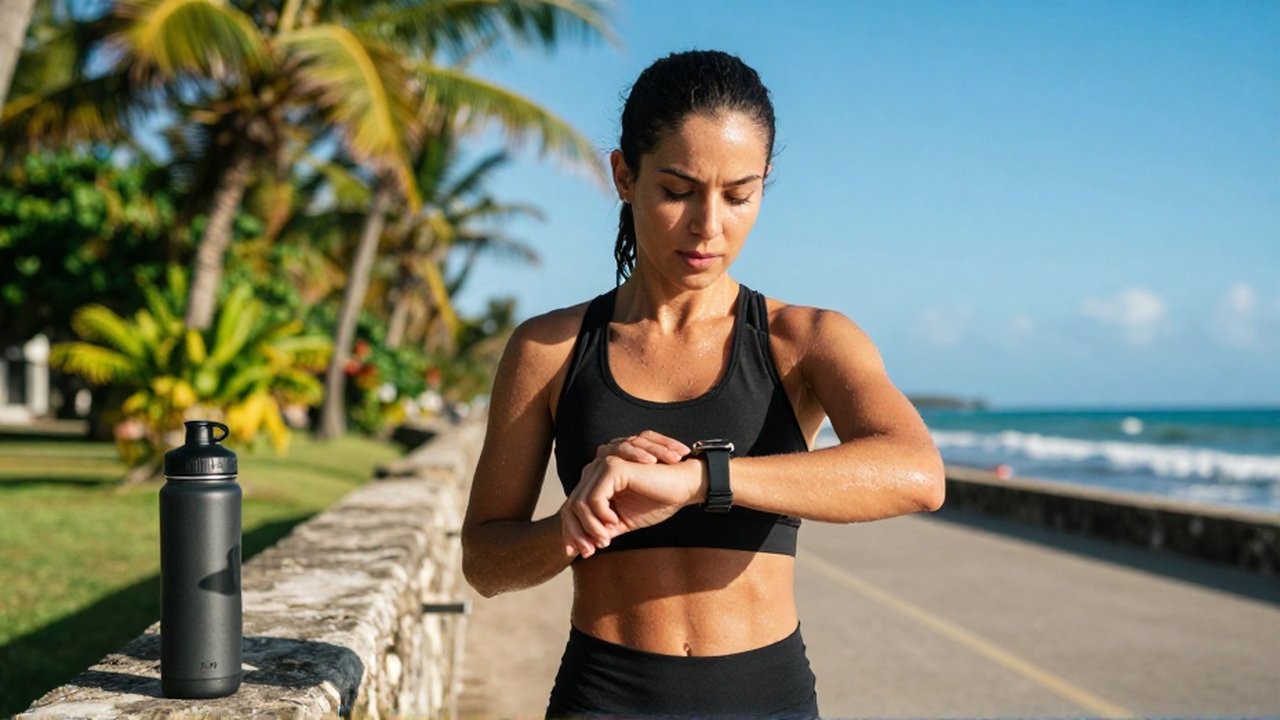
The most effective way to avoid excessive heat is to adjust your schedule to match the sun's intensity. In hot climates, the solar radiation is strongest during the middle of the day, typically between 10:00 AM and 4:00 PM. Training during these hours forces the body to work significantly harder just to maintain homeostasis, which can prematurely fatigue your muscles and compromise your cardiovascular system.
To minimize risk, aim for early morning or late evening sessions. The early morning offers cooler air and lower humidity, while the evening provides a reprieve from the direct midday sun. Additionally, always check the heat index rather than just the temperature. The heat index combines temperature and humidity to estimate how hot it feels on the skin; high humidity prevents sweat from evaporating efficiently, which is the body's primary cooling mechanism, making even moderate temperatures feel much more dangerous.
Hydration and electrolyte replacement strategies
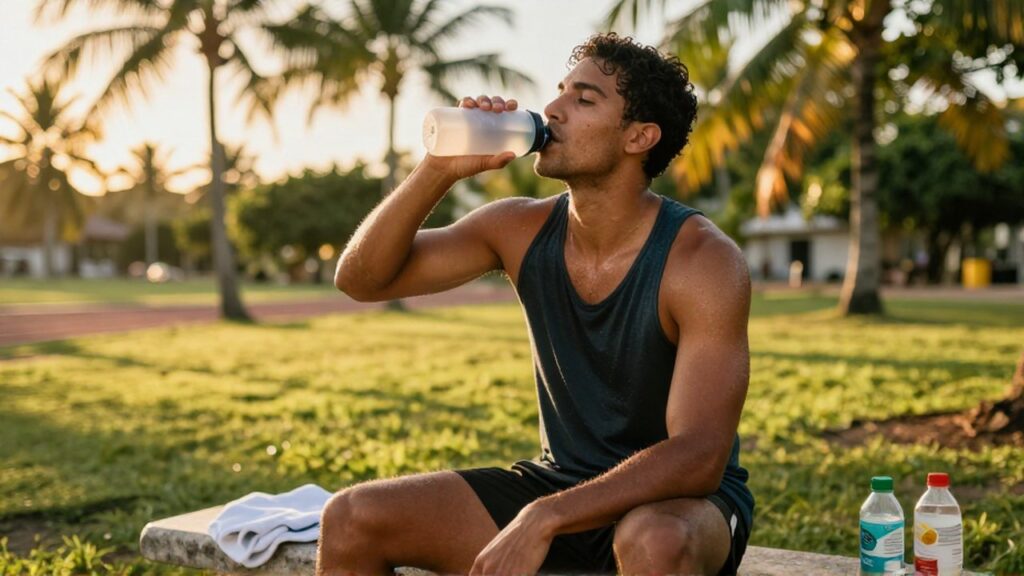
Hydration is the cornerstone of safety when training in high temperatures. It is a common mistake to wait until you feel thirsty to drink water. Thirst is actually a delayed signal indicating that your body is already experiencing a fluid deficit. To maintain peak performance and safety, you should adopt a proactive approach by drinking fluids consistently before, during, and after your workout.
| Hydration Phase | Recommended Action | Purpose |
|---|---|---|
| Pre-workout | Drink fluids 30–60 minutes before starting | To ensure baseline hydration levels are optimal |
| During workout | Sip small amounts at regular intervals | To replace fluids lost through active sweating |
| Post-workout | Consume water and electrolytes | To restore fluid balance and mineral levels |
In addition to plain water, intense sessions lasting longer than one hour often require electrolytes, specifically sodium, potassium, and magnesium. These minerals are lost through sweat and are crucial for nerve signaling and muscle contractions. Replacing them helps prevent cramping and maintains the electrical balance required for your heart and muscles to function correctly.
Proper clothing and equipment selection
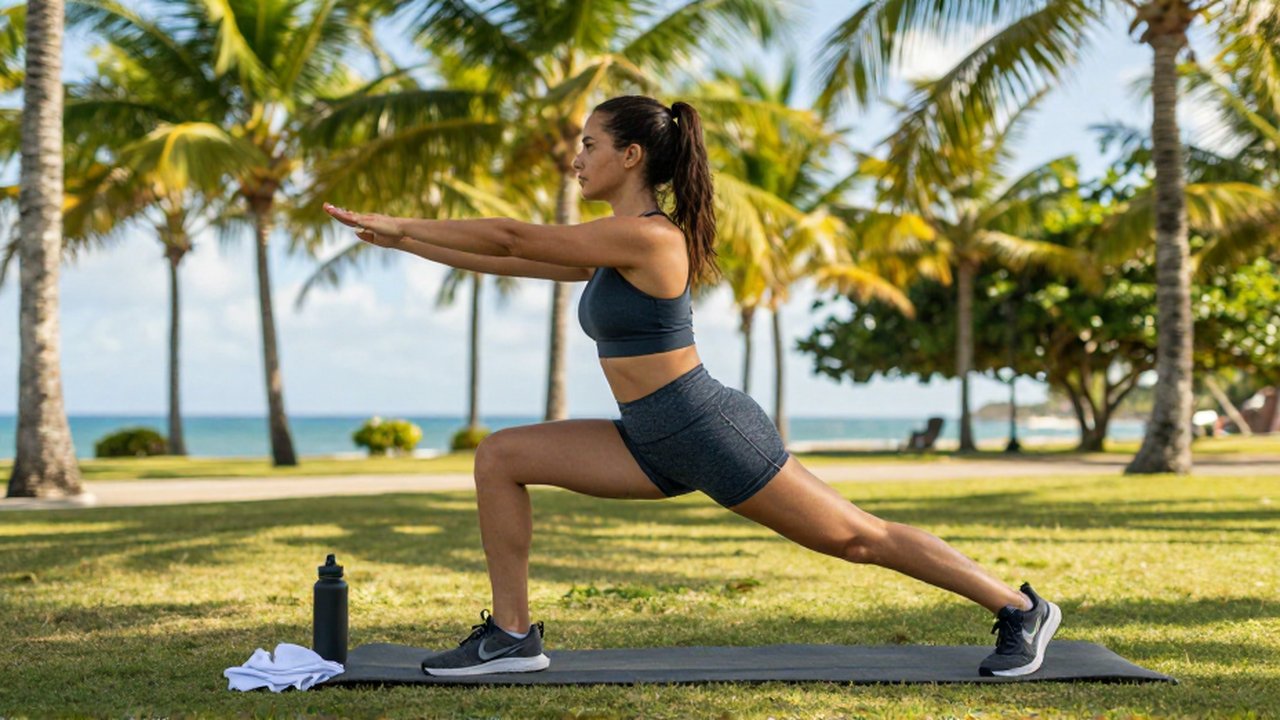
What you wear can significantly influence how your body manages heat. When selecting gear for outdoor training, prioritize moisture-wicking synthetic fabrics or specialized lightweight materials over heavy cotton. Cotton tends to absorb sweat and hold it against the skin, which can increase your perceived effort and impede the evaporation process necessary for cooling.
Choosing light-colored clothing is also a strategic decision. Darker colors absorb more thermal energy from sunlight, whereas lighter colors reflect it. For those training in direct sun, accessories such as breathable hats and UV-protective sunglasses can help regulate head temperature and reduce eye strain. Additionally, if the environment allows, seeking out shaded paths or running on grass rather than asphalt can provide a microclimate that is slightly cooler and less taxing on the body.
Recognizing signs of heat stress
Safety requires self-awareness and the ability to interpret physical signals. Heat-related illnesses often progress in stages, starting from mild discomfort to life-threatening emergencies. Recognizing these signs early can be the difference between a light adjustment to your workout and a medical crisis.
Early signs of heat exhaustion often include heavy sweating, rapid pulse, dizziness, fatigue, and muscle cramps. If these symptoms occur, it is vital to stop exercising immediately, move to a shaded or air-conditioned area, and begin cooling the body with water and rest.
Heat stroke is a much more severe condition and is a medical emergency. Symptoms may include a lack of sweating despite the heat, confusion, rapid breathing, or an extremely high body temperature. If someone shows signs of neurological changes or loses consciousness, immediate professional medical assistance is required. Never attempt to "push through" these symptoms, as doing so can cause permanent damage to vital organs.
Frequently asked questions
How much water should I drink during a workout? There is no single rule for everyone, as sweat rates vary based on body size and intensity. However, a general guideline is to take small, frequent sips throughout your session rather than gulping large amounts at once.
Can I use ice to cool down after training? Yes, using cold water or ice packs on pulse points like the neck, wrists, and armpits can help lower your core temperature quickly after a session in the heat.
Is it safe to train if the humidity is very high? High humidity increases the risk of overheating because sweat cannot evaporate easily. If the humidity is extremely high, it is safer to move your training indoors or wait for a cooler time of day.
Should I drink caffeine before training in the heat? Caffeine can act as a mild diuretic and may increase your heart rate. If you are training in hot conditions, it is best to be cautious and ensure you are fully hydrated with water and electrolytes before consuming caffeinated beverages.
Leave a Reply