Importance of hydration supplies for tropical training
Introduction
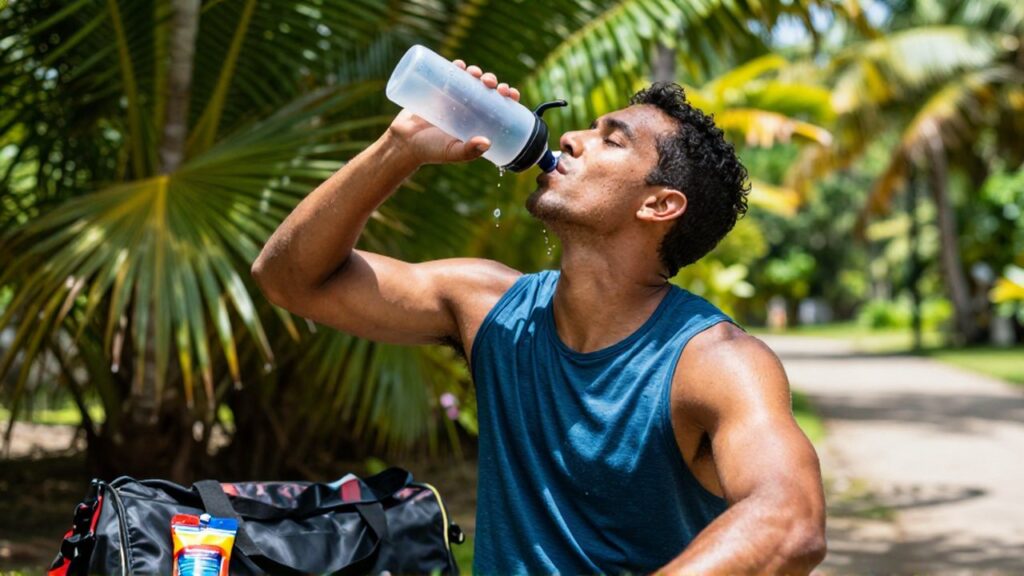
Training in tropical climates presents a unique set of physiological challenges that athletes and fitness enthusiasts cannot ignore. High humidity and elevated temperatures accelerate the rate of fluid loss through sweat, often without the cooling sensation of evaporation that occurs in drier climates. This constant loss of moisture and essential electrolytes can lead to rapid fatigue, reduced physical performance, and even serious heat-related illnesses if not managed correctly.
To maintain peak performance and ensure safety, relying on willpower is insufficient. Proper hydration requires a systematic approach supported by the right equipment and supplies. Having the correct tools allows an individual to monitor fluid intake, maintain temperature control of their drinks, and ensure that electrolytes are replaced alongside water.
Effective hydration management is essential for anyone engaging in sports like running, baseball, or volleyball in warm environments. By investing in specialized hydration supplies, athletes can extend their training duration, improve their recovery times, and mitigate the risks associated with the intense heat of tropical zones.
Essential hydration gear for tropical environments

When training in heat, the quality and type of equipment you use can make the difference between a successful session and a dangerous one. The primary goal is to facilitate consistent, easy access to fluids throughout the duration of the exercise.
Water bottles are the most basic requirement, but in tropical settings, insulation becomes a critical factor. Insulated stainless steel bottles are superior to single-walled plastic because they keep fluids cool for extended periods. Drinking lukewarm water during a high-intensity workout in the tropics can be unpalatable and may actually decrease the psychological motivation to stay hydrated.
For endurance athletes such as runners or cyclists, hydration vests or waist belts are indispensable. These supplies allow for "hands-free" hydration, enabling the athlete to sip small amounts of fluid at regular intervals rather than waiting until they feel thirsty. This prevents the onset of dehydration before it begins.
Role of electrolytes in fluid replacement
Hydration is not merely about consuming water; it is about maintaining the delicate balance of minerals in the body. In tropical climates, sweat contains not just water but also vital electrolytes like sodium, potassium, and magnesium.
Using electrolyte powders or tablets is a key component of a tropical training supply kit. These supplies are designed to be dissolved in water to create an isotonic or hypotonic solution that the body can absorb more efficiently than plain water alone. Relying solely on tap water during long, sweaty sessions can lead to hyponatremia, a condition where sodium levels in the blood become dangerously low.
| Supply Type | Primary Benefit | Best Use Case |
|---|---|---|
| Insulated Bottles | Temperature regulation | Gym sessions or short outdoor workouts |
| Hydration Vests | Constant accessibility | Long-distance running and hiking |
| Electrolyte Powders | Mineral replenishment | High-intensity or long-duration training |
| Saline Solutions | Rapid rehydration | Post-workout recovery |
Common mistakes in tropical hydration management

Even with the right supplies, many athletes fall into patterns that compromise their health. One of the most frequent mistakes is "reactive hydration," which means only drinking once thirst is already felt. In a tropical environment, thirst is often a lagging indicator, meaning by the time you feel thirsty, your performance has already begun to decline.
Another error is over-reliance on sugary sports drinks without considering the caloric load. While some carbohydrates are helpful for energy, excessive sugar can sometimes cause gastrointestinal distress when combined with the heat. It is important to choose electrolyte supplies that balance mineral content with appropriate glucose levels for your specific activity intensity.
Finally, many individuals neglect the "pre-hydration" phase. Implementing a strategy where you use your supplies to hydrate before the workout begins is just as important as sipping during and after the session.
Strategies for maintaining hydration levels
To maximize the effectiveness of your supplies, follow a structured approach to fluid intake. Preparation should begin well before you step into the heat.
First, establish a baseline by drinking a controlled amount of water an hour before training. Second, during the activity, aim for small, frequent sips rather than large gulps. This prevents the heavy, sloshing sensation in the stomach and ensures a steady stream of fluids enters the bloodstream. Third, prioritize recovery by using electrolyte-rich supplies immediately following the session to replace what was lost through perspiration.
Monitoring your physical cues, such as urine color and the frequency of sweat production, serves as a manual way to check if your equipment and intake strategies are working effectively. If symptoms of heat exhaustion, such as dizziness or nausea, occur, discontinue training immediately and seek shade.
Frequently asked questions
Why is an insulated bottle better than a regular one in the tropics? Insulated bottles prevent the liquid from reaching ambient tropical temperatures, ensuring the water remains refreshing and aids in lowering core body temperature during exercise.
Can I just drink water instead of using electrolyte supplies? For short, low-intensity sessions, water may suffice. However, for long or high-intensity training in the heat, electrolytes are necessary to replace the salts lost through heavy sweating.
How often should I drink during a workout? It is more effective to take small sips every 15 to 20 minutes than to drink a large amount once every hour. This maintains a consistent level of hydration.
Does humidity affect how much I need to drink? Yes. High humidity prevents sweat from evaporating quickly, meaning your body may continue to sweat profusely to try and cool down, leading to faster fluid depletion.
Leave a Reply