How to select proper compression gear for recovery

Introduction
Compression gear refers to specialized apparel, such as socks, leggings, and sleeves, designed to apply graduated pressure to specific muscle groups. Athletes and fitness enthusiasts use this equipment primarily to enhance blood circulation and assist in the physiological recovery process after strenuous physical activity. By applying consistent pressure, these garments help manage muscle soreness and reduce the accumulation of metabolic byproducts that occur during intense training sessions.
Integrating compression gear into your post-workout routine can be highly effective for those involved in high-impact sports like running, baseball, or volleyball. Using it at the right time—ideally immediately following exercise or during periods of extended inactivity—can significantly influence how quickly your body feels ready for the next session. Selecting the right gear requires understanding the relationship between pressure levels, fabric quality, and body fit to ensure you achieve the intended benefits without causing discomfort.
Understanding compression levels and pressure
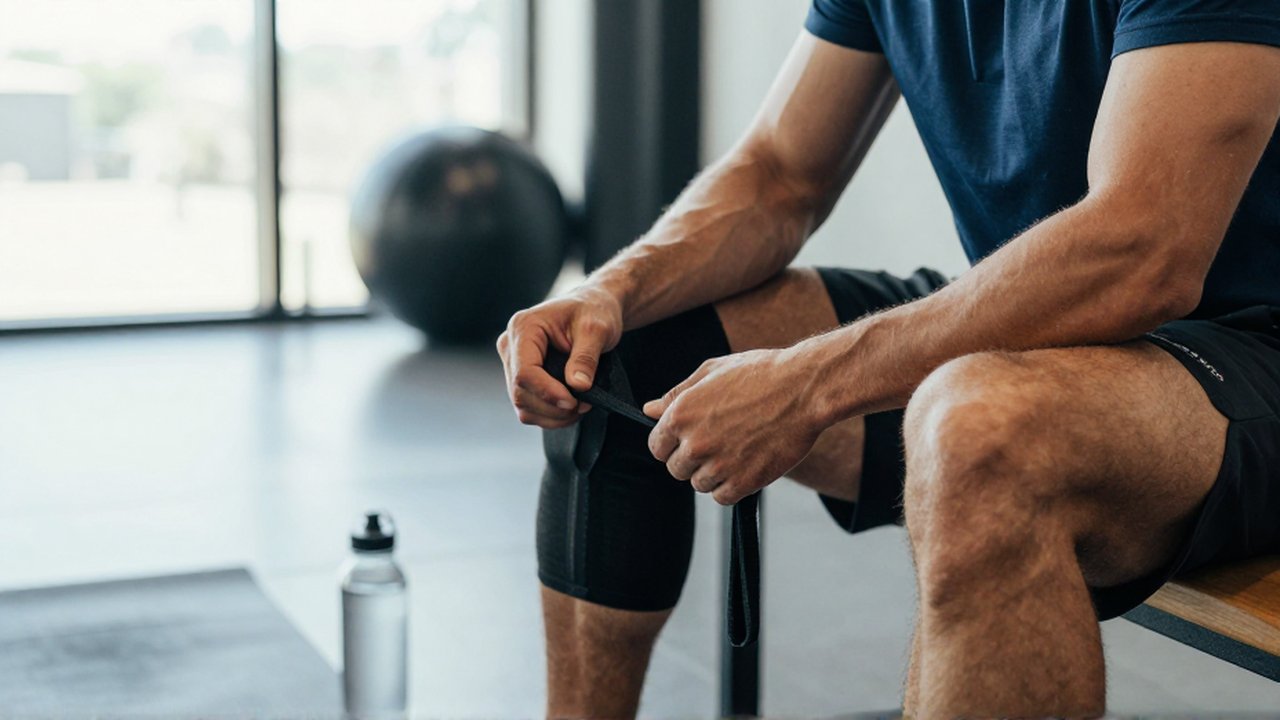
The most critical factor when selecting recovery gear is the level of compression, often measured in millimeters of mercury (mmHg). Not all compression is created equal, and the intended use determines which level is most appropriate for your needs.
Low-level compression is generally used for casual wear or light activity. It provides a gentle sensation of support and is often preferred by individuals who want to reduce minor swelling or simply improve comfort during long periods of standing. This level is less likely to feel restrictive and is ideal for those just beginning to incorporate compression into their lifestyle.
Moderate to high-level compression is designed specifically for athletic recovery. This tier provides the graduated pressure necessary to facilitate venous return, which is the process of blood traveling back to the heart. This helps minimize swelling and can alleviate the sensation of heavy or fatigued limbs. When choosing gear for intense training recovery, look for products that specify their compression rating to ensure they meet your physiological demands.
Evaluating fabric and breathability
Since recovery gear is often worn for extended periods, the material composition is just as important as the pressure level. High-quality recovery apparel should be made from synthetic blends, such as nylon, polyester, or elastane, which provide the necessary elasticity to maintain consistent pressure without losing shape over time.
Breathability is a key consideration for comfort and skin health. During the recovery phase, your body may still be radiating heat. Materials that incorporate moisture-wicking technology are essential to pull sweat away from the skin, preventing irritation and keeping the muscles cool. If the fabric is too thick or lacks ventilation, it may cause overheating or skin chafing, which defeats the purpose of a relaxing recovery period.
Determining the correct fit and sizing
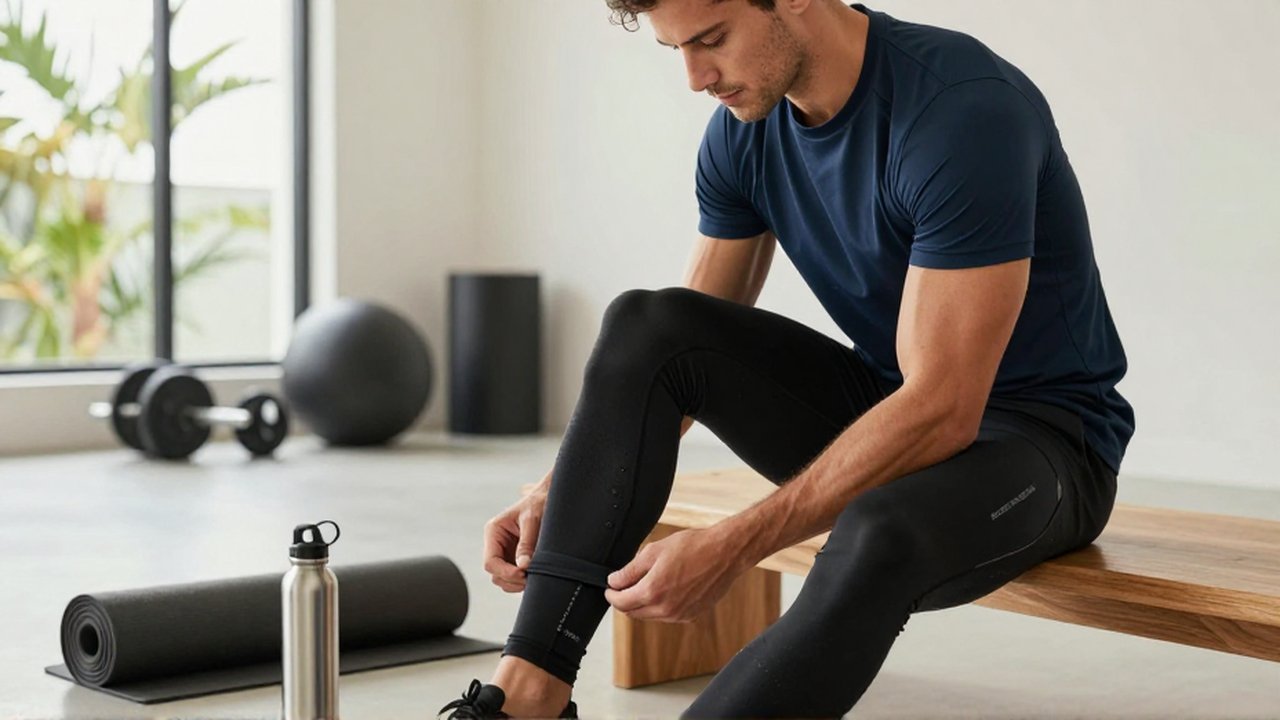
A common mistake in selecting compression gear is choosing a size that is either too loose or excessively tight. If the garment is too loose, it will fail to provide the graduated pressure required to aid circulation, rendering it little more than standard athletic wear. Conversely, gear that is too tight can restrict blood flow rather than support it, potentially causing numbness, tingling, or discomfort.
To ensure a proper fit, use the following criteria:
- Targeted measurement: Always follow the manufacturer's sizing guide, which usually relies on limb circumference (calf, thigh, or bicep) rather than general clothing sizes.
- Smoothness of application: The gear should be smooth against the skin without bunching or rolling at the edges. Bunching creates uneven pressure points that can irritate the skin.
- Graduated sensation: You should feel the most pressure at the furthest point from the heart (such as the ankle) and a gradual decrease in pressure as the garment moves up the limb.
Benefits and limitations of compression gear
While compression gear is a valuable tool in an athlete's kit, it is important to understand what it can and cannot do. The primary benefits include improved circulation, reduced perceived muscle soreness, and management of localized swelling. For many, it provides a psychological sense of stability and "readiness" that can be beneficial for mental recovery.
However, compression gear is a supplement to recovery, not a replacement for fundamental practices. It cannot substitute for adequate hydration, proper nutrition, or sufficient sleep. Furthermore, it is not a medical device for treating injuries. If you are experiencing sharp pain, significant discoloration, or persistent swelling that does not subside, compression gear should not be used as a primary solution, and professional medical advice should be sought.
Frequently asked questions
When is the best time to wear compression gear for recovery? The most effective time is immediately following a workout to help manage the immediate physiological responses to exercise. It can also be worn during travel or long periods of sitting to prevent blood pooling.
Can I sleep in compression gear? While many people do, it depends on the compression level. Low-level compression is generally safe for sleep, but high-level athletic compression may be too restrictive and could interfere with comfort or circulation during rest.
How often should I replace my compression gear? Compression garments lose their elasticity over time due to repeated stretching and washing. Once you notice the fabric feels loose or no longer provides a firm, consistent sensation against the skin, it is time to replace it.
Is compression gear useful for preventing injury? While it can help manage fatigue and muscle soreness—both of which are related to injury risk—compression gear is not a preventive tool for acute injuries like sprains or fractures. It is best used as part of a holistic recovery strategy.
Leave a Reply