How to prepare for your first trail running race
Introduction
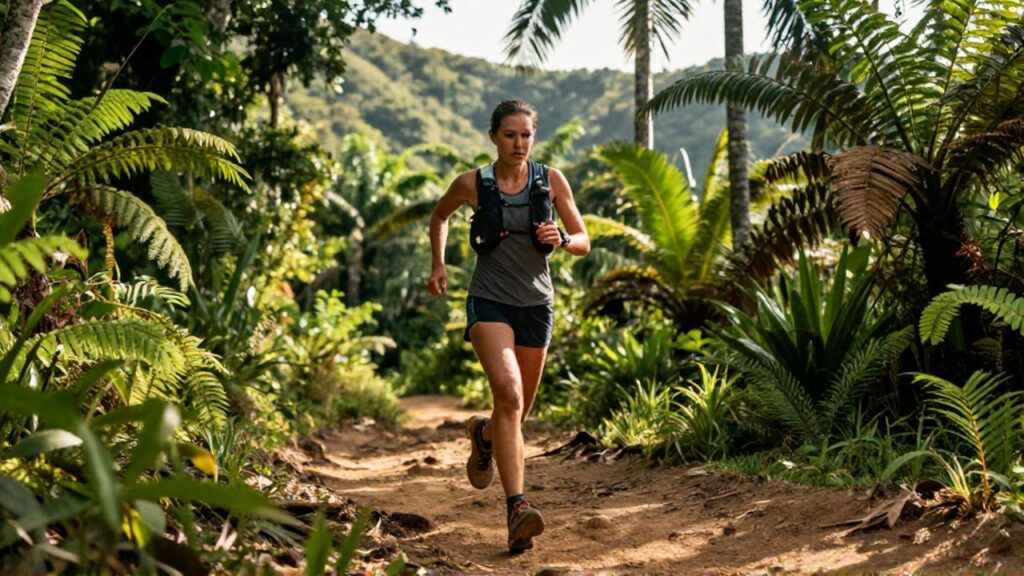
Trail running offers a profound connection to nature that road running simply cannot replicate. Instead of flat asphalt, you face undulating terrain, technical obstacles, and changing weather conditions. Preparing for your first trail race is about more than just building cardiovascular endurance; it requires a specialized approach to strength, stability, and mental resilience to handle the unpredictable nature of the wilderness.
Starting this journey means transitioning from a rhythmic, predictable stride to a more reactive, mindful way of moving. Understanding how to navigate elevation changes and technical surfaces is essential to prevent injury and ensure you enjoy the experience. Whether you are tackling a short forest loop or a longer mountain course, proper preparation will transform your race from a struggle for survival into a rewarding athletic achievement.
Understanding the differences between road and trail
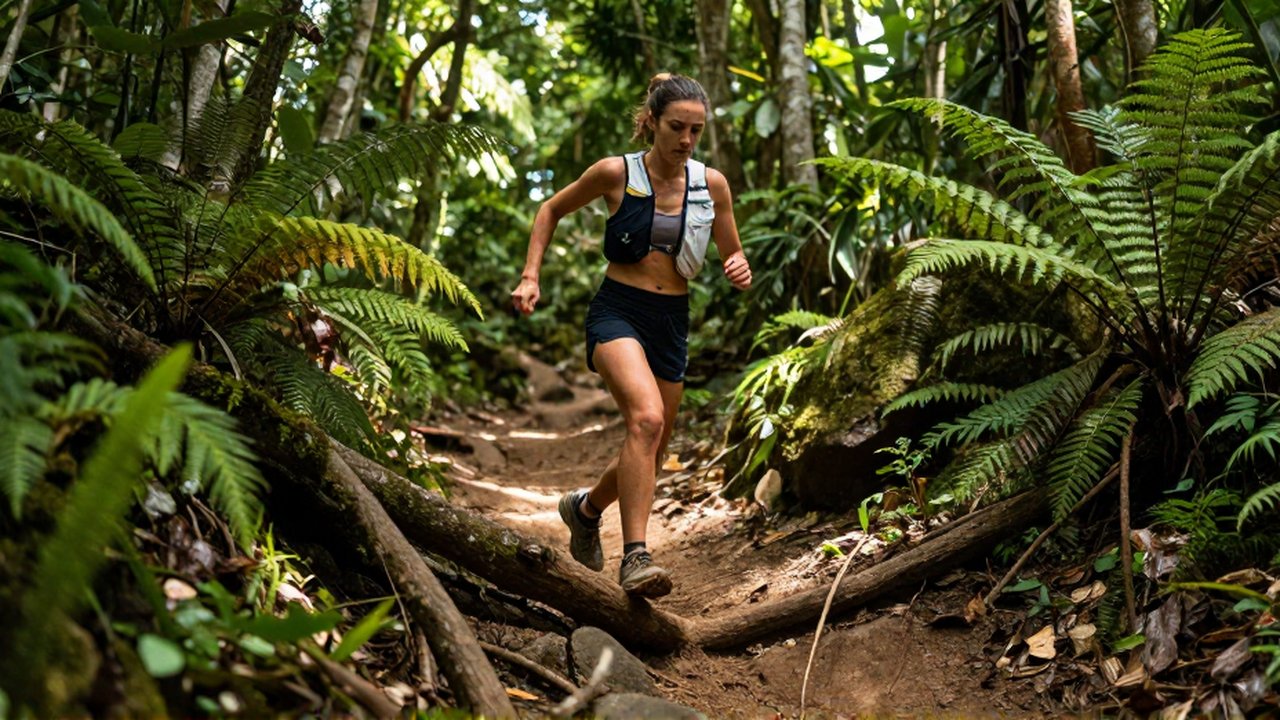
The most significant mistake beginners make is treating a trail race exactly like a road marathon or 10k. On the road, your gait is consistent and your surface is predictable. On the trail, every step requires a micro-adjustment. You must account for roots, loose rocks, mud, and sudden incline changes that can disrupt your breathing and pace.
Training for trails requires a shift in mindset regarding speed. In trail running, your pace per kilometer will naturally be slower than on the road due to the terrain. Instead of focusing solely on minutes per kilometer, you should focus on "effort-based" running. Learning to manage your heart rate while climbing steep hills is more important than maintaining a specific pace on a stopwatch.
Essential gear for mountain environments
Equipping yourself correctly is a matter of both comfort and safety. Unlike road running, where lightweight shoes are often the priority, trail running demands specific functional gear.
- Trail-specific shoes: Look for footwear with aggressive outsoles (lugs) to provide traction on loose dirt and mud. They should also offer more protection against rocks to prevent toe bruising.
- Hydration systems: Since trails often lack water fountains, you must carry your own. A hydration vest or handheld flask is standard practice to ensure you stay hydrated during long climbs.
- Stability and nutrition: Carrying calorie-dense snacks is vital, as navigating technical terrain burns energy differently and often takes longer than expected.
- Safety essentials: Depending on the race regulations, you may need a whistle, a basic first aid kit, or a lightweight windbreaker to handle sudden temperature shifts.
Building a specialized training plan
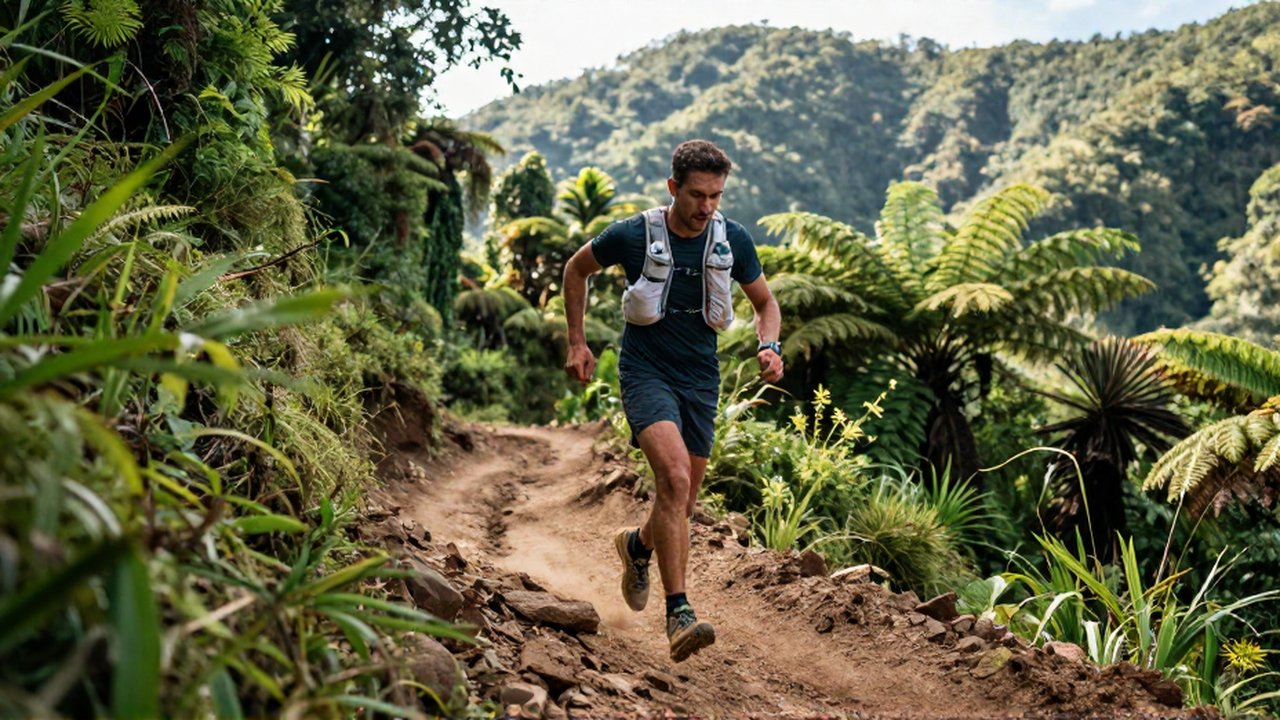
A successful training block should combine aerobic conditioning with functional strength. You cannot simply run more miles to get ready; you must run smarter miles.
First, prioritize vertical gain. If your race has 500 meters of elevation, your training should include hill repeats or long climbs. This builds the specific muscular endurance needed in your calves, glutes, and quads. If you live in a flat area, use stairs or treadmill incline settings to simulate this challenge.
Second, incorporate strength training. Trail running places significant lateral stress on your ankles and knees. Exercises that focus on single-leg stability, core strength, and balance will help you navigate uneven ground without rolling an ankle.
Finally, practice technical descents. Many beginners focus only on the climb, but the descent is where many injuries occur. Learning how to "flow" down a hill using short, quick steps rather than long, heavy strides will save your joints and increase your speed.
Mental preparation and race day strategy
The psychological component of trail running is as important as the physical. When you hit a steep incline or a particularly muddy section, your brain may tell you to stop. Developing "mental toughness" involves learning to break the course into small, manageable segments rather than looking at the total distance remaining.
On race day, avoid the temptation to start too fast. The adrenaline of a crowd can lead many beginners to sprint the first kilometer, only to "bonk" or run out of energy halfway through the climb. Start at a controlled intensity, focus on your breathing, and remember that in trail running, walking the steepest sections is often a tactical choice rather than a sign of weakness.
Frequently asked questions
Should I use trekking poles for my first race? Trekking poles can help with stability and reduce the load on your legs during steep climbs, but they require practice. If you plan to use them, ensure you train with them during your preparation so they become an extension of your body.
How do I handle technical terrain without falling? Focus on your vision. Instead of looking directly at your feet, look about two to three meters ahead. This allows your brain to process the upcoming terrain and plan your foot placement in advance.
Is it okay to walk during a trail race? Yes. Power-hiking is a legitimate and effective strategy in trail running. Walking during very steep sections allows you to manage your heart rate and save energy for the flatter sections or descents.
How much water should I carry? This depends on the race duration and weather, but a good rule is to ensure you have enough to last between available hydration points. Always prioritize staying ahead of thirst, rather than drinking only when you feel dehydrated.
Leave a Reply