How to pick the right hydration bladder for long runs
Introduction
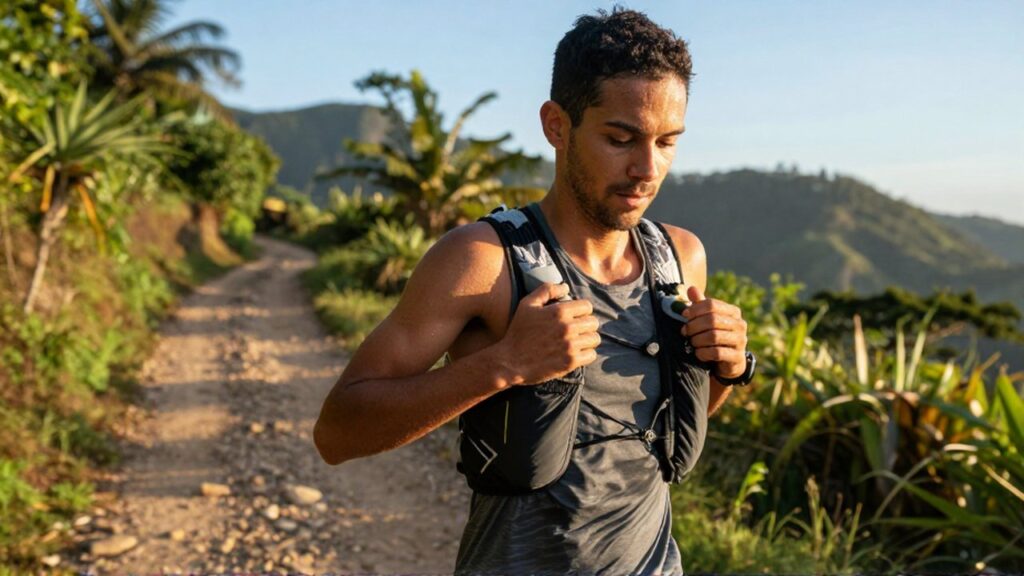
Maintaining proper hydration is one of the most critical aspects of long-distance running, especially when training in warm climates or during extended endurance sessions. A hydration bladder, integrated into a running vest or backpack, allows athletes to drink small amounts of water frequently without breaking their stride or stopping to reach for a handheld bottle. This constant replenishment helps stabilize electrolyte levels and prevents the onset of dehydration-induced fatigue.
Choosing the correct bladder is not a one-size-fits-all decision. The right choice depends on your specific running distance, the volume of liquid required, the weight distribution of your gear, and the ease of maintenance. Selecting an inadequate bladder can lead to discomfort, such as excessive bouncing or leaking, or even health risks if you run out of fluids before reaching your destination. This guide will help you navigate the technical specifications to find a bladder that supports your endurance goals.
Capacity and volume requirements
The first decision you must make is determining how much water you actually need. Capacity is typically measured in liters, and for long runs, there is a direct correlation between the distance you plan to cover and the volume required.
For short-to-medium endurance runs (under 90 minutes), a small bladder of 1 to 1.5 liters is usually sufficient. However, for long-distance training sessions that exceed two hours, you should look for capacities between 2 and 3 liters. If you are training for ultra-marathons or running in high-heat environments, a larger reservoir is essential to ensure you do not run dry.
When choosing volume, consider the weight. A full 3-liter bladder is significantly heavier than a 1.5-liter one. You must balance the need for hydration with the physical load on your shoulders and back. If your hydration vest is specifically designed for a certain size, ensure the bladder fits snugly within the sleeve to prevent the weight from shifting during your run.
Material quality and durability
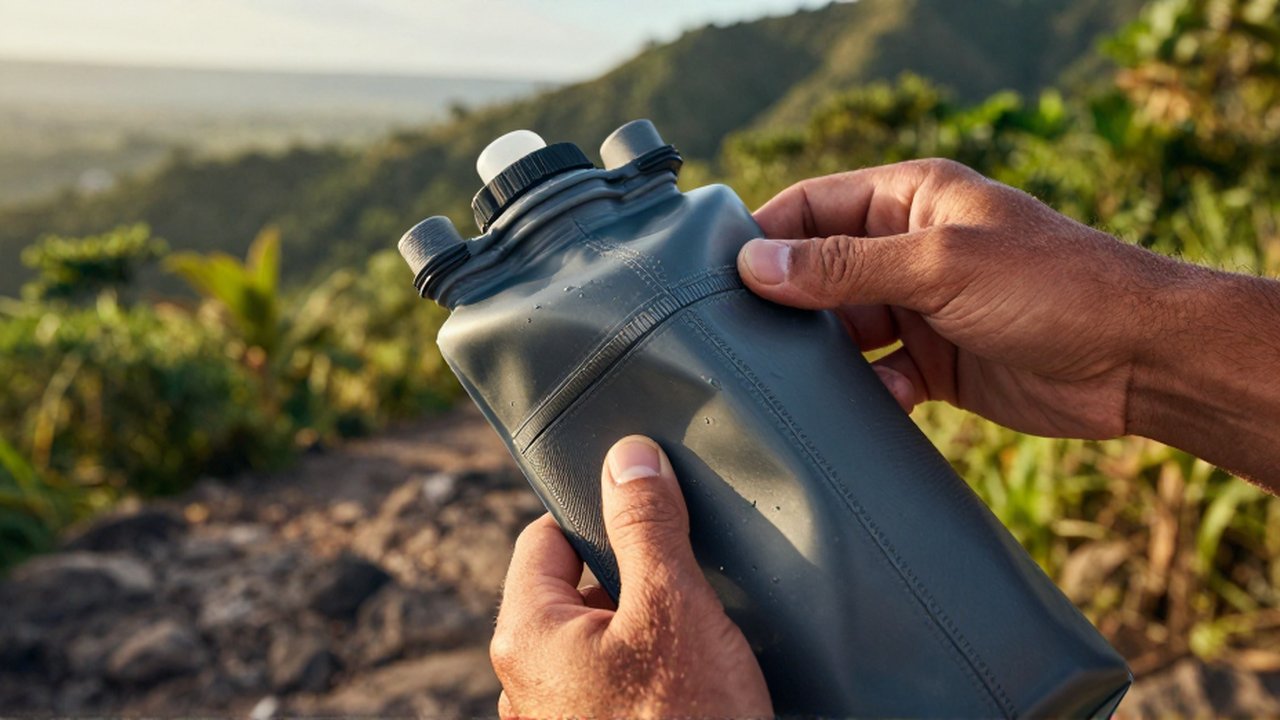
The material of the bladder affects both the taste of the water and the longevity of the product. Most high-quality bladders are made from BPA-free, food-grade plastics or TPU (Thermoplastic Polyurethane).
Key material considerations include:
- BPA/BPS-free status: Essential for preventing chemical leaching into your drinking water.
- Flavor resistance: Some cheaper plastics can impart a "plastic" taste to the water. High-end materials are engineered to remain neutral.
- Flexibility: A good bladder should be flexible enough to conform to the shape of your pack, preventing empty space that causes the bladder to "slosh" or bounce.
- Durability: Look for reinforced seams and thick tubing to prevent leaks caused by the constant movement of running.
Ease of cleaning and maintenance
One of the most common mistakes runners make is neglecting bladder hygiene. Because bladders are closed systems with narrow openings, they are prone to mold and bacterial growth if not cleaned thoroughly after every use.
When selecting a bladder, prioritize models that offer easy access. Bladders with a large "roll-top" opening are much easier to scrub and dry than those with a tiny screw cap. If you find a bladder you love that is difficult to clean, you may need to invest in specialized cleaning kits, such as long-handled brushes or cleaning tablets.
To extend the life of your bladder, always dry it completely before storing it. Hanging it upside down with the cap off is a standard practice to ensure no moisture remains in the corners or the tube.
Bite valve and tube functionality

The interface between you and the water is the bite valve and the drinking tube. Since long runs require efficiency, the mechanism should be intuitive and reliable.
- Bite valve design: Look for valves that allow for a controlled flow. Some valves require a firm bite, while others are more sensitive. Some also feature a "lock" mechanism to prevent accidental leaking in your bag.
- Tube length and placement: The tube should be long enough to reach your mouth comfortably without you having to arch your back or adjust your running posture.
- Insulated tubing: If you run in cold environments, an insulated tube can prevent the water from freezing, though this is less common for runners in tropical climates.
Summary of selection criteria
| Feature | Ideal for Short Runs | Ideal for Long Runs |
|---|---|---|
| Capacity | 1.0L - 1.5L | 2.0L - 3.0L |
| Weight | Ultra-lightweight | Balanced for stability |
| Cleaning | Standard access | Wide-mouth opening |
| Complexity | Simple tube | Lockable bite valve |
Frequently asked questions
How can I prevent my bladder from sloshing while I run? To minimize sloshing, try to keep the bladder as full as possible. As you drink, the air gap increases, which causes movement. Some runners find that adding a small amount of ice or even slightly overfilling a flexible bladder helps the material conform more tightly to the compartment.
Can I put electrolytes in my hydration bladder? Yes, you can add electrolyte powders or solutions to your bladder. However, be aware that sugary or highly concentrated electrolyte drinks can sometimes clog the bite valve or promote faster bacterial growth. It is vital to clean the bladder more thoroughly if you use additives.
How often should I replace my hydration bladder? There is no set timeframe, but you should consider replacing it if you notice permanent staining, lingering odors that cannot be cleaned, or any signs of leaks at the seams or the valve.
Is a larger bladder always better for long runs? Not necessarily. A bladder that is too large for your hydration vest will cause the water to shift significantly, which can lead to chafing and discomfort. Always match the bladder size to the specific capacity of your running vest or pack.
Leave a Reply