How to choose the right resistance bands
Introduction
Resistance bands are versatile fitness tools designed to provide variable tension during strength training, rehabilitation, and mobility exercises. Unlike traditional weights, these bands utilize elastic energy to create resistance, making them an ideal solution for home workouts, travel, or supplemental gym training. They are particularly effective for isolating specific muscle groups and accommodating the natural strength curve of a movement, meaning the tension increases as the band stretches.
Choosing the right resistance bands is essential to ensure both the effectiveness of your workout and your personal safety. Selecting a band that is too light will fail to stimulate muscle growth or strength gains, while a band that is too heavy can lead to improper form and potential injury. Understanding the different types, materials, and tension levels available will help you build a toolkit that aligns with your specific fitness goals.
Types of resistance bands available
The first step in making an informed decision is identifying which style of band matches your training environment and objectives. Resistance bands generally fall into three main categories, each serving a distinct purpose in a fitness regimen.
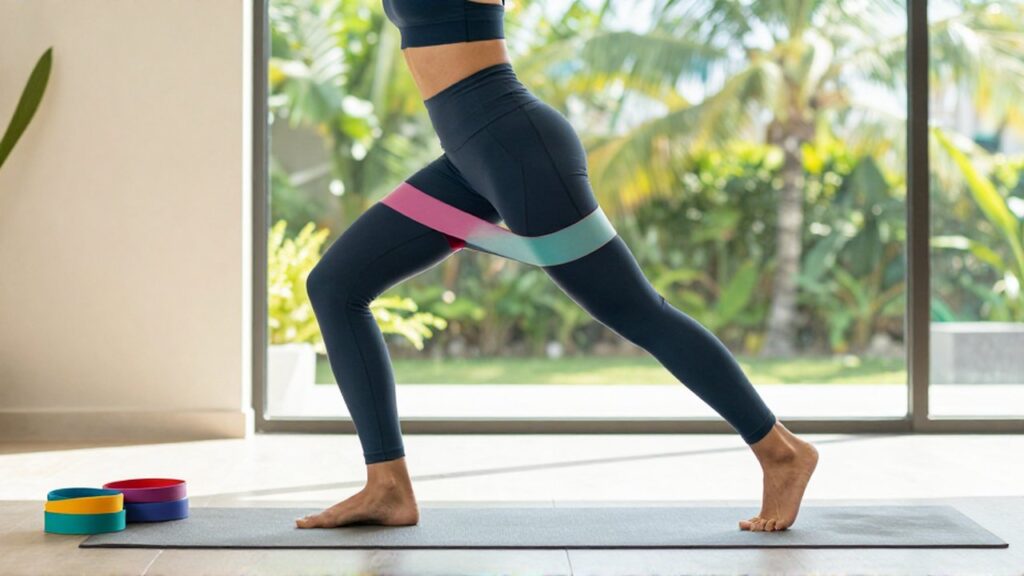
Loop bands (Mini bands): These are small, continuous loops of elastic material. They are primarily used for lower-body exercises, such as glute bridges, lateral walks, or adding tension to squats. Because they sit around the thighs or ankles, they are excellent for activating the hips and improving stability.
Tube bands with handles: These consist of a long elastic tube with integrated handles at each end. They are designed to mimic the feel of cable machines found in professional gyms. They are highly effective for upper-body movements like chest presses, bicep curls, and rows, offering a more ergonomic grip than flat bands.
Long flat bands: These are long, thin strips of elastic without handles. They are incredibly versatile and are frequently used in physical therapy, stretching, and full-body functional training. They can be anchored to doors, stepped on, or used to assist with movements like pull-ups.
Understanding resistance levels and tension
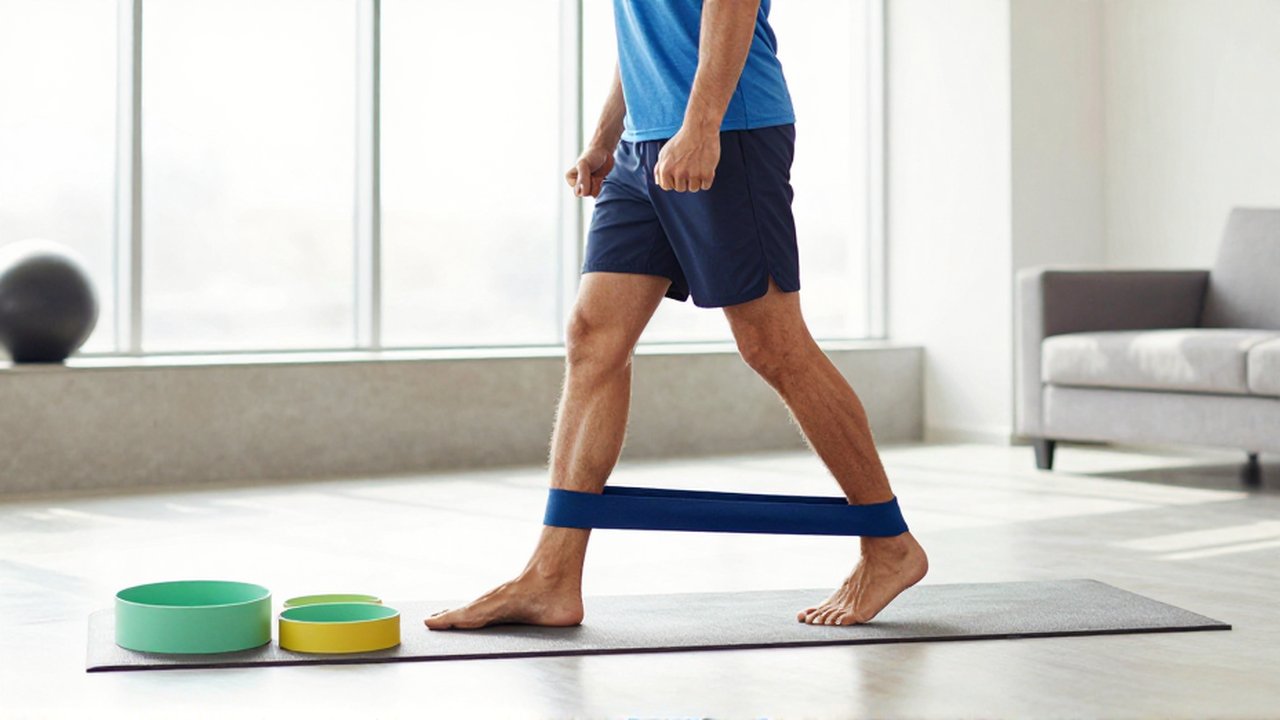
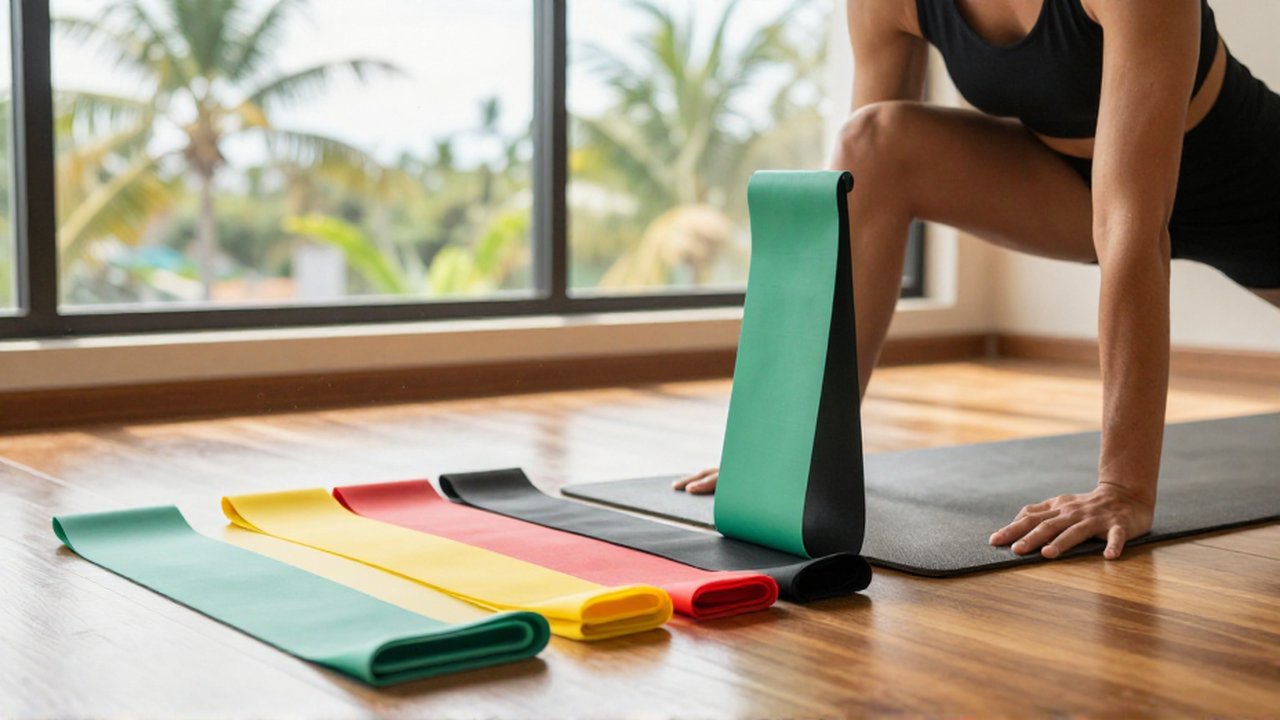
Resistance is not a fixed measurement; it is determined by the thickness, width, and material composition of the band. Most manufacturers use a color-coded system to denote different levels of tension, making it easier for users to progress through their training.
| Band Level | Typical Color | Primary Use Case |
|---|---|---|
| Light | Yellow / Light Green | Physical therapy, warm-ups, and mobility |
| Medium | Red / Blue | General toning and high-repetition endurance |
| Heavy | Black / Dark Purple | Strength building and muscle hypertrophy |
| Extra Heavy | Silver / Gold | Advanced strength training and heavy compound lifts |
When selecting your tension level, consider your current strength baseline. If you are a beginner, it is often wise to start with a variety pack that includes multiple levels. This allows you to use light bands for warm-ups and heavy bands for your primary strength sets.
Material and durability considerations
The material of the band significantly impacts its lifespan and how it feels during use. Most resistance bands are made from either latex or fabric (nylon/polyester), and each has specific advantages.
Latex bands are highly elastic and provide a very consistent, smooth resistance profile. They are typically more affordable and easier to pack for travel. However, latex can be prone to snapping if it develops small tears, and some users may experience skin irritation or allergic reactions to natural latex.
Fabric resistance bands are increasingly popular, especially for lower-body training. These are made from a blend of elastic and fabric, which makes them much more durable and less likely to roll up or slip during exercise. While they do not provide the same extreme elasticity as pure latex, they offer a more comfortable experience against the skin and are ideal for those with latex sensitivities.
Criteria for making your selection
To choose the most effective set of equipment, evaluate your needs based on the following decision factors:
- Training Environment: If you travel frequently, look for lightweight loop bands or thin long bands. If you are building a permanent home gym, investing in a set with handles and a door anchor provides more variety.
- Fitness Goals: Muscle hypertrophy (growth) requires higher tension and heavier resistance. Mobility and injury prevention require lighter, more flexible bands that allow for a wide range of motion.
- Body Compatibility: Ensure the bands you choose are long enough to accommodate your height and the specific movements you intend to perform.
- Safety Features: Always check for smooth edges and consistent thickness. Avoid bands that feel uneven or show signs of "pitting" or discoloration, as these are signs of material degradation.
Common mistakes to avoid
One of the most frequent errors is purchasing only one single band level. Fitness is a progression; a band that challenges you today will become ineffective in a few weeks as you get stronger. Always aim for a range of resistance.
Another mistake is neglecting equipment maintenance. Resistance bands should be inspected before every session. Small nicks, tears, or even sunlight exposure can weaken the material, increasing the risk of the band snapping during a high-tension movement. Always store your bands in a cool, dark place away from sharp objects and direct UV light.
Frequently asked questions
How often should I replace my resistance bands? You should inspect them before every workout. If you notice any small cracks, discoloration, or visible thinning of the material, replace them immediately to prevent injury.
Can resistance bands replace traditional weights? For many fitness goals, including muscle toning and general strength, they can be highly effective. However, for maximal strength and heavy powerlifting, traditional weights may be necessary to provide the required load.
Are fabric bands better than latex bands? It depends on the exercise. Fabric bands are superior for lower-body stability and comfort, while latex bands are often better for upper-body movements and exercises requiring high elasticity and a wide range of motion.
How do I know if a band is too heavy for me? A band is too heavy if you cannot perform the movement with proper form or if you find yourself using momentum to "cheat" the resistance. You should be able to control both the concentric (shortening) and eccentric (lengthening) phases of the movement.
Leave a Reply