Guide to cushion types in running footwear

- Introduction
- Understanding the role of midsole cushioning
- Differences between maximalist and minimalist cushioning
- Choosing between firm and soft cushioning profiles
- Comparison of cushioning features
- Factors to consider when selecting cushioning
- Common mistakes in cushioning selection
- Frequently asked questions
Introduction
Choosing the right running shoes often involves more than just selecting a color or a brand; it requires a deep understanding of midsole cushioning. Cushioning refers to the material located between your foot and the ground, designed to absorb the impact forces generated every time your foot hits the pavement or trail. Selecting the appropriate level of cushioning is essential for managing physical stress, preventing common overuse injuries, and enhancing your overall running experience.
Cushioning serves different purposes depending on the terrain, your running style, and your specific biomechanics. Some runners prioritize a soft, pillowy feel to dampen impact, while others prefer a firmer, more responsive sensation to improve energy return and stability. Understanding these nuances allows you to tailor your footwear selection to your training goals, whether you are preparing for a marathon or enjoying a casual morning jog.
Understanding the role of midsole cushioning
The midsole is the engine of any running shoe. It is typically made from various types of foam, such as EVA (Ethylene Vinyl Acetate) or advanced thermoplastic polyurethanes, which are engineered to compress and rebound. The primary role of this layer is shock absorption. When you run, your body absorbs several times your weight in impact forces; the cushioning manages these forces to protect your joints, particularly the ankles, knees, and hips.
Beyond impact protection, cushioning influences "energy return." This describes how much energy the foam gives back to the runner after being compressed. High-energy return materials help propel you forward, often making the running motion feel more efficient. Conversely, some cushioning is designed for pure dampening, focusing on comfort and stability rather than speed.
Differences between maximalist and minimalist cushioning
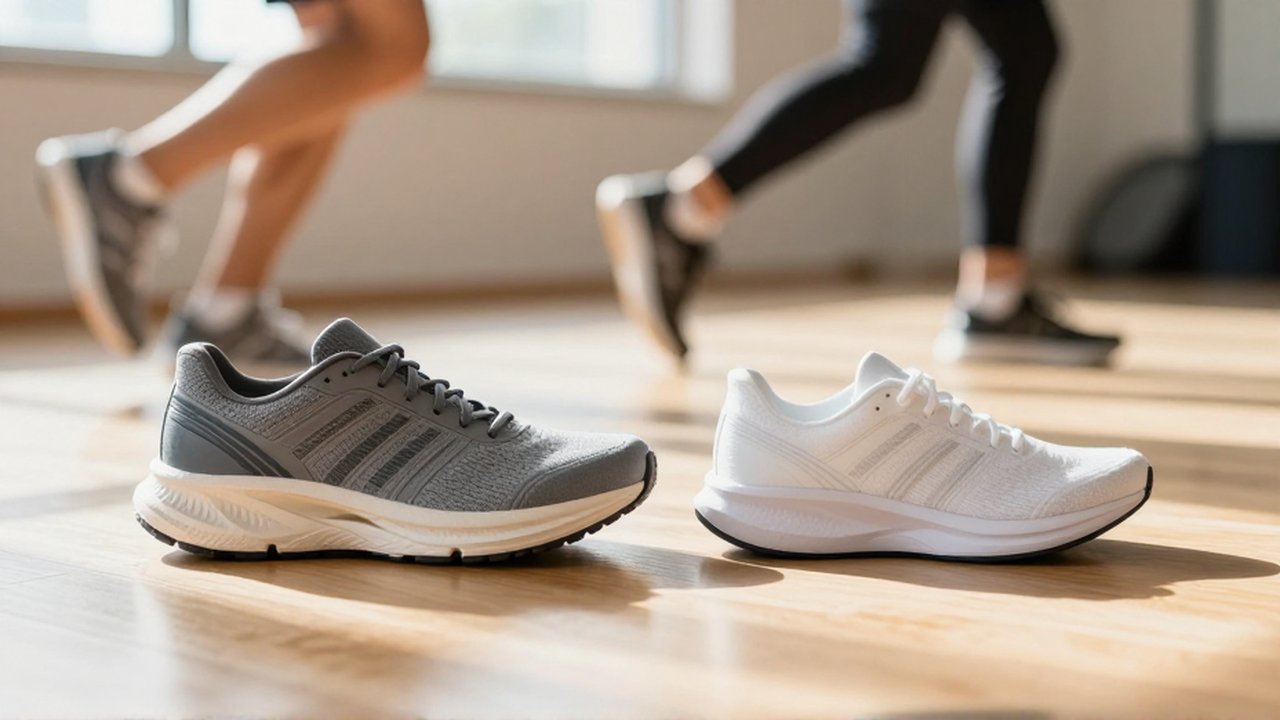
Runners generally fall into two broad categories regarding their preference for midsole thickness: maximalist and minimalist.
Maximalist cushioning features a very thick midsole, often providing a significant stack height. This type is ideal for long-distance runners or those who prioritize comfort and impact protection. The thick layer of foam acts as a heavy-duty shock absorber, which can reduce the perceived strain on the legs during high-volume training. However, the extra material can sometimes decrease "ground feel," making it harder to sense the terrain beneath you.
Minimalist cushioning focuses on a thin midsole that mimics the natural shape and function of the foot. The goal is to provide a direct connection to the ground and allow the foot's natural mechanics to take over. While this can improve proprioception (your body's ability to sense movement and position), it requires a gradual transition to avoid injury, as the muscles and tendons must work harder to manage the impact that the foam no longer absorbs.
Choosing between firm and soft cushioning profiles
The "feel" of a shoe is often categorized by its firmness or softness. This is a subjective preference but is also influenced by functional needs.
Soft cushioning provides a plush, luxurious sensation. This is often preferred by recreational runners or those running on hard surfaces like asphalt. Soft foam excels at absorbing impact, making it feel "forgiving" on the joints. The limitation of very soft cushioning is that it can sometimes feel unstable or "mushy," which might lead to increased work for the stabilizing muscles in the ankles.
Firm cushioning offers a more stable and responsive platform. Instead of "sinking" into the shoe, the runner feels a quicker rebound. Firm shoes are often favored by tempo runners or those performing speed work, as they allow for a more efficient transition from heel to toe. Firmness also tends to provide better structural integrity, which can assist runners who require more stability during their gait cycle.
Comparison of cushioning features
| Feature | Maximalist/Soft | Minimalist/Firm |
|---|---|---|
| Primary Benefit | High impact absorption | Better ground feel and response |
| Best For | Recovery runs, long distances | Speed work, short distances |
| Surface Type | Hard pavement, tracks | Trails, varied terrain |
| Stability Level | Can feel less stable | Generally more stable |
Factors to consider when selecting cushioning
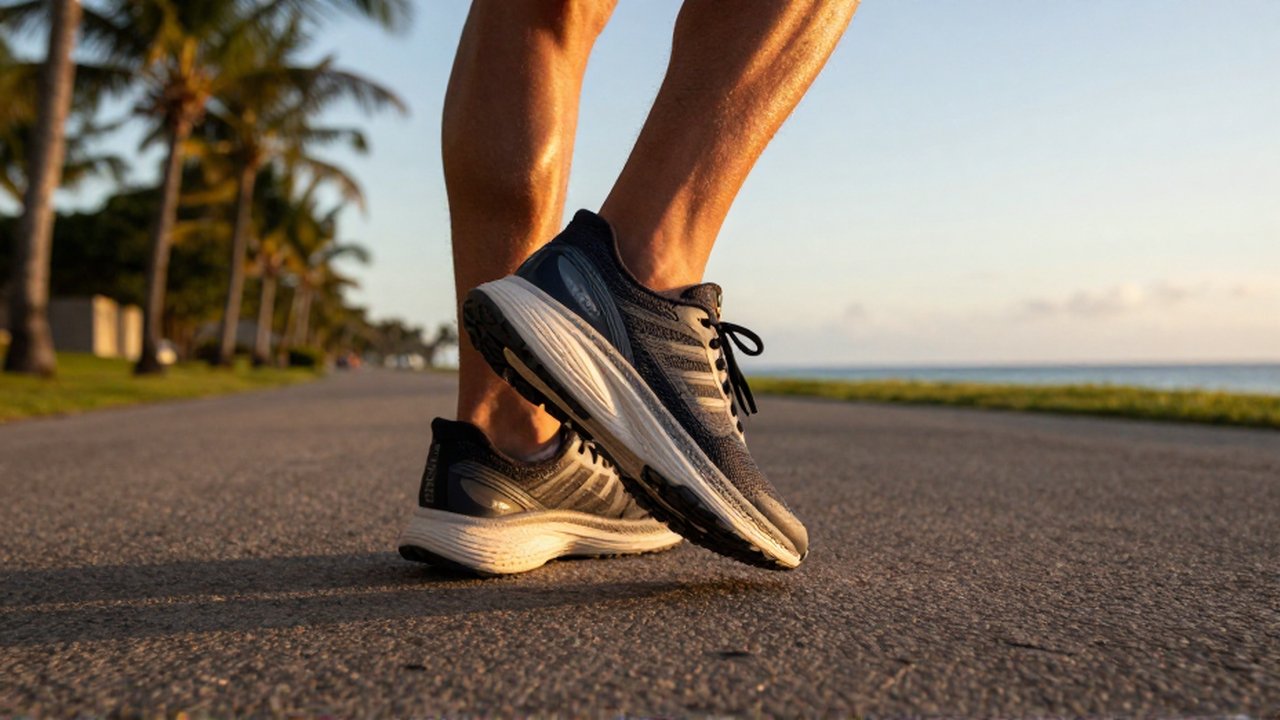
When deciding which cushioning type suits your needs, consider your running environment and your specific physical requirements. If you primarily run on concrete or asphalt, you may benefit from more substantial cushioning to mitigate the repetitive stress of hard surfaces. If you move frequently between trails and roads, a balanced, medium-cushion shoe might provide the most versatility.
Additionally, consider your body weight and gait. Runners with a heavier build or those who land heavily on their heels often find more comfort in higher levels of cushioning. If you are a midfoot or forefoot striker, you might find that a lower stack height or firmer cushioning allows for a more natural and efficient stride.
Common mistakes in cushioning selection
A frequent error is choosing cushioning based solely on comfort during a stationary fit in a store. A shoe that feels soft while standing still may feel significantly different after five kilometers of continuous impact. Always prioritize how the shoe performs during movement.
Another mistake is over-relying on maximalist cushioning to "fix" existing pain. While cushioning can help manage impact, it is not a corrective tool for biomechanical issues. If you are experiencing persistent pain, the issue may lie in your form or strength rather than the amount of foam in your shoes. Furthermore, transitioning too quickly from firm, minimal shoes to maximalist shoes—or vice-versa—can shock the musculoskeletal system.
Frequently asked questions
Will more cushioning always prevent injury? Not necessarily. While cushioning reduces impact forces, excessive cushioning can sometimes decrease stability or alter your natural gait, which may lead to different types of strain. The best choice depends on your specific biomechanics and training load.
How long does the cushioning in running shoes last? Cushioning is a consumable resource. Over time, the foam cells compress and lose their ability to rebound, a process known as "bottoming out." While the outer sole might still look good, the internal cushioning may have lost its effectiveness, usually requiring replacement after several hundred kilometers.
Can I use the same shoes for both long runs and speed work? It is possible, but not always ideal. Many runners prefer a more cushioned shoe for long, easy miles to protect the legs, and a firmer, more responsive shoe for speed workouts to improve efficiency. Having different shoes for different intensities can be beneficial for training variety.
Leave a Reply