Essential guidelines for marathon running in Santo Domingo
Introduction
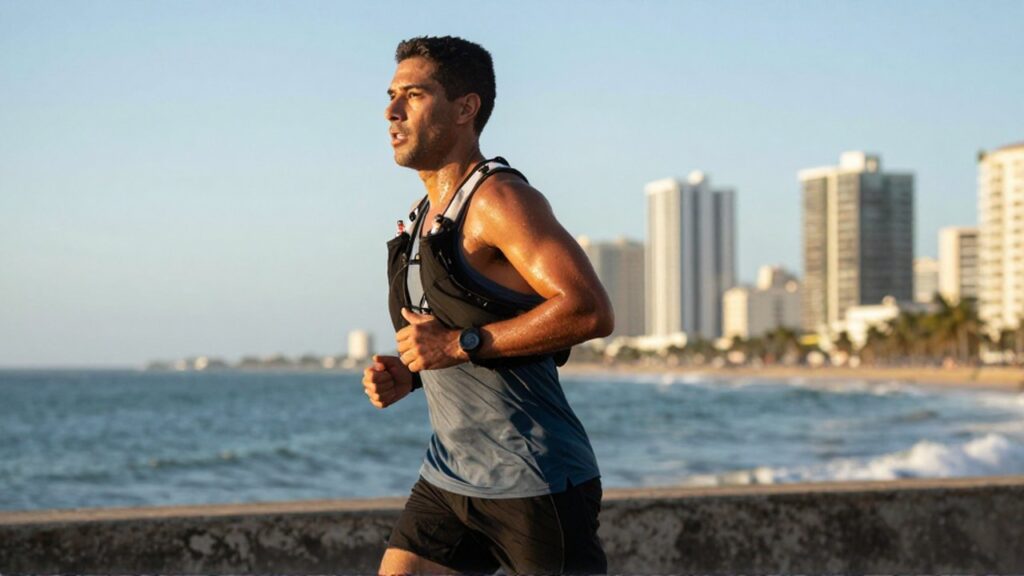
Marathon running in Santo Domingo presents a unique set of challenges and rewards for athletes of all levels. Preparing for a 42.195-kilometer race in the Dominican capital requires more than just physical stamina; it demands a strategic approach to environmental factors such as high humidity and rising temperatures. Understanding how to navigate these conditions is essential for ensuring both a successful performance and long-term physical health.
These guidelines serve as a roadmap for local and visiting runners who wish to approach marathon training and race day with professional discipline. By focusing on climate adaptation, nutrition, and logistical preparation, runners can mitigate the risks associated with tropical endurance sports. Whether you are a seasoned marathoner or a beginner preparing for your first long-distance event, mastering these fundamentals is the key to reaching the finish line.
Managing heat and humidity
The tropical climate of Santo Domingo is perhaps the most significant variable a runner must account for. High humidity levels can impede the body's ability to cool itself through sweat evaporation, lead to a rapid increase in core temperature, and cause premature fatigue. To prepare, training sessions should gradually incorporate runs during the early morning hours to simulate the heat builds that occur during a race.
It is highly recommended to monitor the heat index rather than just the temperature. A moderate temperature combined with high humidity can feel much more taxing on the cardiovascular system. During training, runners should practice "acclimatization," which involves exposing the body to heat in controlled increments to improve sweat efficiency. On race day, starting at dawn is often the most effective strategy to avoid the peak intensity of the Caribbean sun.
Hydration and electrolyte balance

Staying hydrated in a coastal, tropical environment requires a more sophisticated approach than simply drinking water. Because the body loses significant amounts of salt and minerals through heavy sweating, relying solely on plain water can lead to hyponatremia, a dangerous condition caused by an imbalance of electrolytes in the blood.
Effective hydration strategies should include the following:
- Pre-hydration: Increasing fluid intake in the days leading up to the event.
- Electrolyte replacement: Consuming drinks containing sodium, potassium, and magnesium during and after long runs.
- Consistent intake: Taking small, frequent sips rather than large quantities at once to avoid gastrointestinal discomfort.
- Monitoring color: Using urine color as a practical, real-time indicator of hydration status.
Nutritional preparation and fueling
Running a marathon requires a significant amount of glycogen, which is the primary fuel source for high-intensity endurance activities. The weeks leading up to a race in Santo Domingo should involve a balance of complex carbohydrates, lean proteins, and healthy fats to build energy reserves.
During the race itself, the body's stored energy will eventually deplete, often referred to as "hitting the wall." To prevent this, runners must practice their fueling strategy during training runs. This includes testing various energy gels, chews, or specialized sports drinks to see how the stomach reacts to movement and heat. A successful fueling plan avoids new foods on race day and focuses on carbohydrates that are easily digestible to minimize the risk of stomach cramps or nausea.
Equipment and gear selection
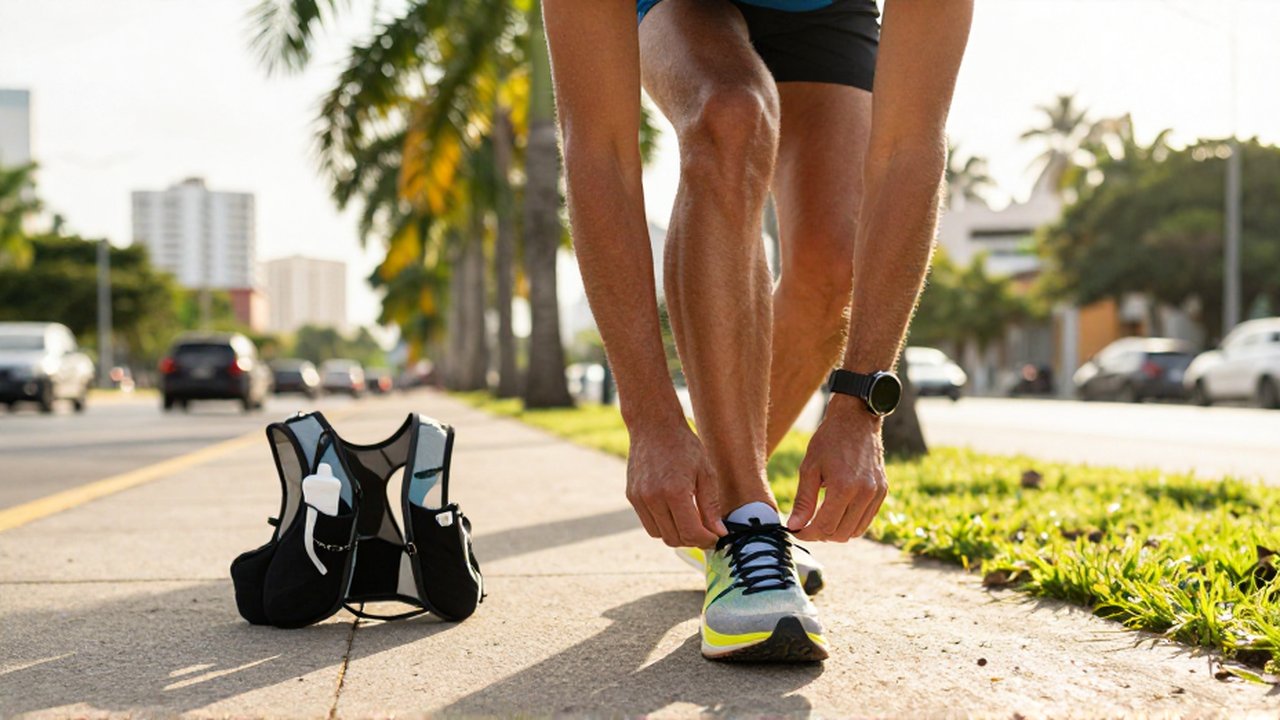
Choosing the correct gear is vital for preventing injuries and managing discomfort caused by the local environment. Footwear is the most critical component; runners should use shoes that have been thoroughly broken in through several long-distance training sessions.
| Gear Item | Primary Function | Local Consideration |
|---|---|---|
| Running Shoes | Shock absorption and stability | Ensure breathability to manage moisture |
| Technical Apparel | Moisture wicking and temperature regulation | Avoid cotton; use synthetic, lightweight fabrics |
| Socks | Blister prevention | Use moisture-wicking materials to combat humidity |
| Sun Protection | UV protection | Use sweat-resistant sunscreen and lightweight caps |
In Santo Domingo, moisture management is a priority. Cotton clothing absorbs sweat, stays heavy, and can cause severe chafing. Opting for high-quality synthetic fabrics designed for "dry-fit" performance will help keep the skin dry and reduce the friction that leads to skin irritation.
Common training mistakes to avoid
Many runners fail to reach their goals not due to a lack of effort, but due to common errors in preparation. One of the most frequent mistakes is "too much, too soon," where an athlete increases mileage or intensity too rapidly, leading to overuse injuries like shin splints or runner's knee.
Another pitfall is neglecting the importance of rest and recovery. Muscles do not grow stronger during the run, but during the recovery period following the run. In a warm climate, the body requires extra recovery time to regulate temperature and repair tissues. Finally, many runners fail to practice their race-day logistics—such as their pacing and fueling—during their training, leading to unexpected issues when the actual race begins.
Frequently asked questions
How can I tell if I am overheating during a run? Signs of overheating include dizziness, nausea, an abnormally high heart rate, or a sudden cessation of sweating. If these occur, you should immediately find shade, cool your skin, and seek medical attention if symptoms persist.
Should I train exclusively in the heat? While some exposure is necessary for acclimatization, it is important to balance heat training with structured workouts in cooler conditions to ensure you can still hit your target paces and maintain cardiovascular strength.
How much water should I drink during a marathon? There is no single number that applies to everyone, as it depends on your sweat rate and the weather. However, the general guideline is to drink consistently at every hydration station, focusing on a balance of water and electrolyte-rich beverages.
What is the best time of day to run in Santo Domingo? For long-distance training and racing, the early morning (between 5:00 AM and 7:00 AM) is typically the most effective time to avoid the highest temperatures and the most intense UV radiation.
Leave a Reply