Benefits of professional running shoe gait analysis
Introduction
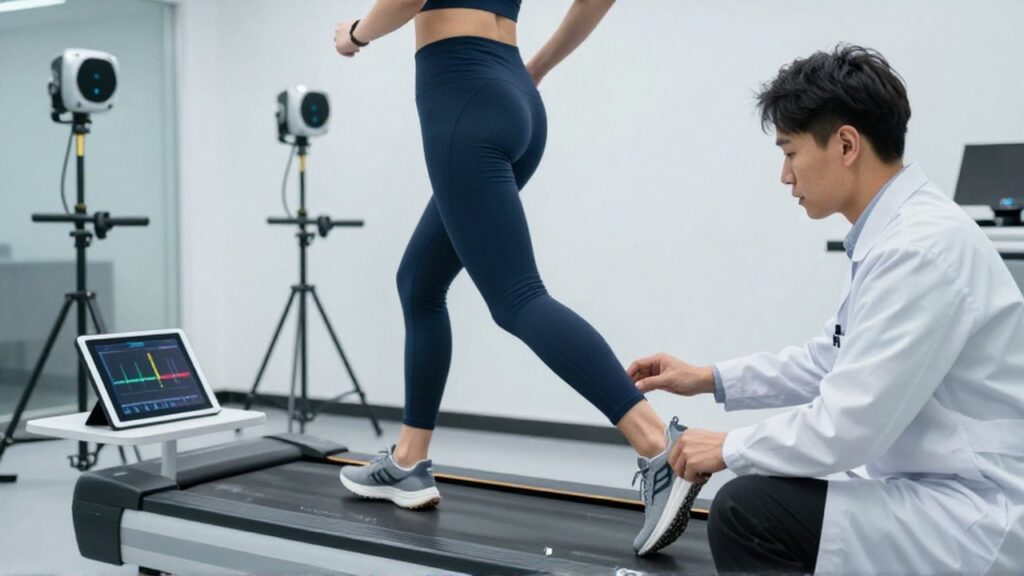
Gait analysis is a specialized evaluation process used to study the mechanics of how a person moves while running. By observing your stride, foot strike pattern, and body alignment, specialists can identify specific biomechanical tendencies that influence your efficiency and comfort. This process is essential for runners of all levels, from beginners looking for their first pair of shoes to seasoned athletes seeking to fine-tune their performance.
Understanding your gait matters because running is a repetitive, high-impact activity. Even minor deviations in how your feet hit the ground or how your ankles roll can lead to significant cumulative stress on your joints and muscles. Instead of choosing footwear based solely on aesthetics or brand popularity, gait analysis provides a data-driven approach to selecting equipment tailored to your unique physiology.
Performing this analysis is particularly appropriate when you are experiencing recurring discomfort, transitioning to higher mileage, or simply want to ensure you are utilizing the most effective equipment possible. By investing time in this assessment, you move away from guesswork and toward a more scientific method of injury prevention and performance optimization.
Understanding the mechanics of running gait

To appreciate the value of a professional analysis, one must first understand what gait actually entails. Gait refers to the pattern of movement of the limbs during locomotion. In running, this includes the transition from the initial contact of the foot with the ground to the "toe-off" phase where the foot leaves the surface.
During a professional assessment, specialists look for several key components:
- Foot Strike Pattern: Whether you land on your heel (rearfoot strike), the midfoot, or the forefoot.
- Pronation Levels: The degree to which your foot rolls inward after landing. This is categorized as neutral, overpronation (excessive inward roll), or supination/underpronation (excessive outward roll).
- Cadence and Stride Length: The rhythm of your steps and how much distance you cover with each movement.
- Kinetic Chain Alignment: How the movement of your ankles affects your knees, hips, and lower back.
By breaking down these components, professionals can create a profile of how your body absorbs impact and redistributes force.
Preventing common running injuries
One of the primary reasons runners seek gait analysis is to mitigate the risk of injury. Many common running ailments are not caused by a lack of fitness, but by repetitive mechanical errors. When a shoe does not match a runner's natural movement, it can force the body to compensate in ways that strain specific tissues.
For example, a runner with significant overpronation who wears a neutral shoe may experience increased stress on the medial side of the foot and the arch. Conversely, a supinator using a stability shoe might find the extra rigidity causes discomfort in the outer edge of the foot. Professional analysis helps match the shoe’s structural features—such as heel counters, medial posts, or cushioning density—to the runner's specific needs.
This preventative approach helps reduce the likelihood of: 1. Plantar Fasciitis: Often linked to improper foot support and arch mechanics. 2. Shin Splints: Frequently caused by inefficient impact absorption or excessive pronation. 3. Runner's Knee (Patellofemoral Pain Syndrome): Often a result of poor alignment causing the kneecap to track incorrectly. 4. Achilles Tendonitis: Can occur when the gait places undue tension on the tendon during the push-off phase.
Optimizing running efficiency and comfort

Beyond injury prevention, gait analysis serves the goal of performance. When your footwear is perfectly synchronized with your biomechanics, you minimize "energy leaks." These are moments where energy is wasted through unnecessary lateral movement or inefficient impact absorption.
A shoe that facilitates a smoother transition from heel to toe allows for a more fluid stride. This fluidity can lead to better running economy, meaning you use less oxygen and energy to maintain a specific pace. Furthermore, comfort plays a massive psychological role; a runner who is not constantly adjusting their stride to accommodate foot pain or shoe friction can maintain better focus on their training goals and breathing patterns.
Choosing the right footwear through professional guidance
The decision-making process for buying running shoes is often overwhelming due to the sheer volume of technology and options available. A professional analysis simplifies this by providing clear decision criteria.
| Feature | Purpose | Targeted Gait Type |
|---|---|---|
| Neutral Cushioning | Absorbs shock for those with natural arches. | Neutral runners or supinators. |
| Stability Features | Provides light support to control moderate movement. | Mild overpronators. |
| Motion Control | Offers high rigidity to prevent significant inward rolling. | Severe overpronators. |
While the analysis provides a roadmap, it is important to remember that the "perfect" shoe is a combination of the analysis results and personal preference. The professional's role is to narrow the field of options to those that are biomechanically sound, leaving the final choice to the runner's subjective feeling of comfort.
Frequently asked questions
How often should I have my gait analyzed? It is beneficial to undergo an analysis whenever you change your training intensity significantly, experience new pains, or when your current shoes have reached their mileage limit (typically 500–800 kilometers).
Can gait analysis fix my running form? Gait analysis identifies how you move, but it is not a corrective exercise program. While the right shoes can support better mechanics, significant changes to running form often require specific strength training and coaching.
Do I need to run on a treadmill for the analysis? Most professional analyses utilize a treadmill to capture your natural running gait under motion. Walking is rarely sufficient, as the mechanics of walking and running are fundamentally different.
Will analysis tell me exactly which brand to buy? It will not dictate a specific brand, but it will dictate the type of shoe you need. It points you toward specific categories—such as neutral, stability, or motion control—which helps you select from various brands more effectively.
Leave a Reply