How to read baseball scoreboard symbols
Introduction
Understanding a baseball scoreboard is essential for anyone looking to transition from being a casual observer to an informed fan. A scoreboard is more than just a display of the current score; it is a complex data hub that provides a real-time narrative of the game's progress. It tracks player performance, inning progression, and specific tactical events that define the flow of play. Learning to interpret these symbols and numbers allows you to anticipate upcoming plays and understand the strategic depth of every pitch.
Whether you are watching a live game at a stadium or following a broadcast from home, the scoreboard functions as a shorthand language. Instead of long sentences, the game uses standardized abbreviations and icons to convey crucial information instantly. Mastery of these symbols ensures you never lose track of the count, the number of outs, or the specific way a player reached base, making the viewing experience much more immersive and rewarding.
Basic scoreboard layout and essential components
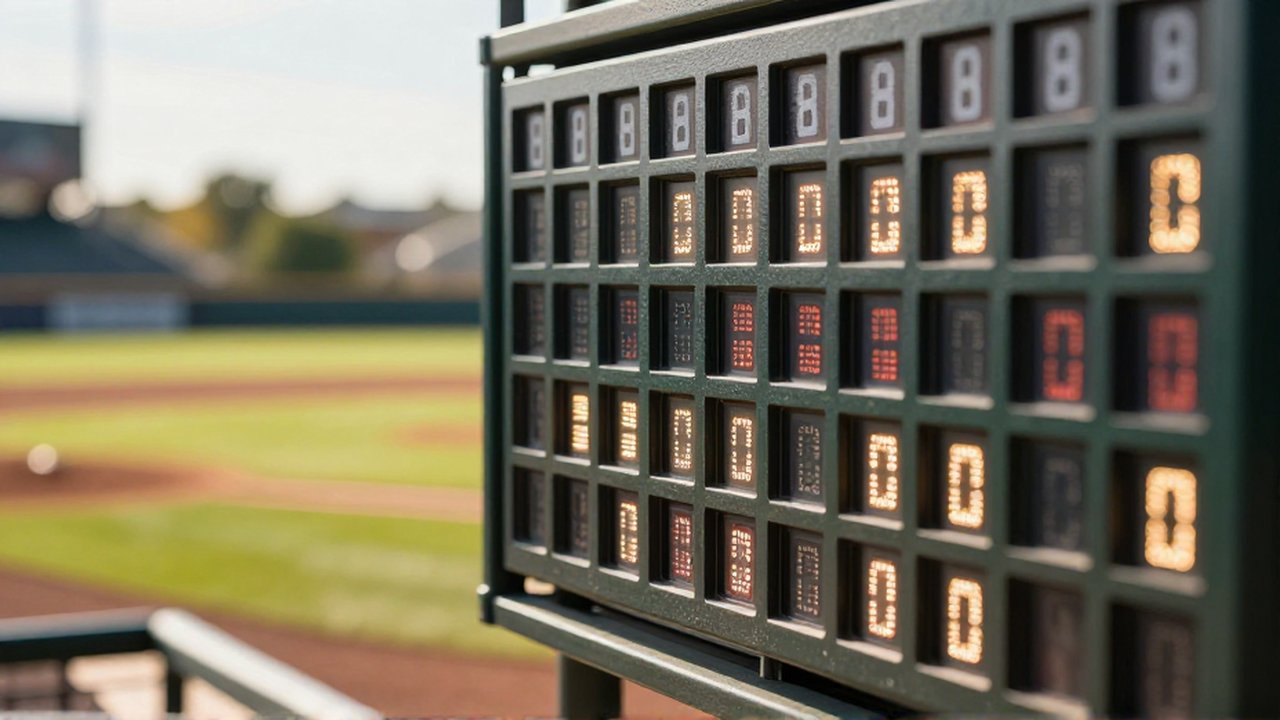
Before diving into specific symbols, it is important to understand how a scoreboard is typically organized. Most scoreboards are divided into sections that separate the team information from the play-by-play data. The top section usually displays the team names, the current score, and the number of runs, hits, and errors (often abbreviated as R, H, and E) for each side.
The middle section tracks the progress of the game through innings. You will see numbers representing the first through the ninth innings. Below the innings, there is usually a dedicated area for the "Lineup," which lists the current batter and the player expected to bat next. Finally, the bottom or side sections contain the "Count" area, which is vital for understanding the immediate situation between the pitcher and the batter.
Understanding counts and game status symbols
The most frequently changing part of a scoreboard is the count, which tells you the state of the battle between the pitcher and the hitter. This is represented by two primary numbers: balls and strikes.
- Balls: This number tracks how many pitches have been thrown outside the strike zone that the batter has not swung at. Four balls results in a "walk," allowing the batter to advance to first base.
- Strikes: This tracks pitches that are in the strike zone or swings that the batter misses. Three strikes results in a "strikeout," an out for the batter.
- Outs: Most scoreboards have a dedicated indicator for the number of outs in the current inning. This is often represented by three dots, circles, or small icons. When one player is out, one icon is filled or marked. Once three outs are recorded, the inning ends.
Common abbreviations for player actions

When looking at a detailed box score or a digital play-by-play scoreboard, you will encounter specific letter codes. These codes act as shorthand for how a player reached base or how an out was recorded.
| Symbol | Meaning | Description |
|---|---|---|
| 1B | Single | The batter reaches first base safely on a hit. |
| 2B | Double | The batter reaches second base safely on a hit. |
| 3B | Triple | The batter reaches third base safely on a hit. |
| HR | Home Run | The batter circles all bases after hitting the ball. |
| BB | Base on Balls | The batter is awarded first base after four balls. |
| K | Strikeout | The batter is out after three strikes. |
| F | Fly Out | The batter is out after a ball is caught in the air. |
| G / E | Error | An out or advancement caused by a defensive mistake. |
| FC | Fielder's Choice | The defense attempts to get a different runner out. |
Deciphering advanced statistical indicators
For more advanced fans, scoreboards and digital displays may include more nuanced data. These symbols provide deeper insight into the efficiency of a pitcher or the productivity of a batter.
One common indicator is the RBI (Runs Batted In), which shows how many runs were scored as a direct result of a batter's action. Another is LOB (Left On Base), which tracks how many runners were on base when the inning ended. In pitcher-specific sections, you might see IP (Innings Pitched), which tracks how much of the game a specific pitcher has completed, and SO (Strikeouts), which highlights their ability to overpower hitters.
Frequently asked questions
What does it mean when the scoreboard shows an 'X' in the inning column? An 'X' usually indicates that the team is not batting during that specific inning, or it may appear in a summary to show that no scoring occurred.
How can I tell if a game is tied using the scoreboard? Look at the primary "Runs" section for both teams. If the numbers next to each team name are identical, the game is currently tied.
What is the difference between a walk and a hit on the scoreboard? A hit (1B, 2B, etc.) means the batter reached base because they struck the ball into play. A walk (BB) means they reached base because the pitcher threw four balls outside the strike zone.
Does the scoreboard show which player is on base? In many modern digital scoreboards, small icons or shaded areas on a diamond graphic will indicate which bases (first, second, or third) are currently occupied by runners.
Leave a Reply