Difference between ERA and FIP in baseball statistics
Introduction
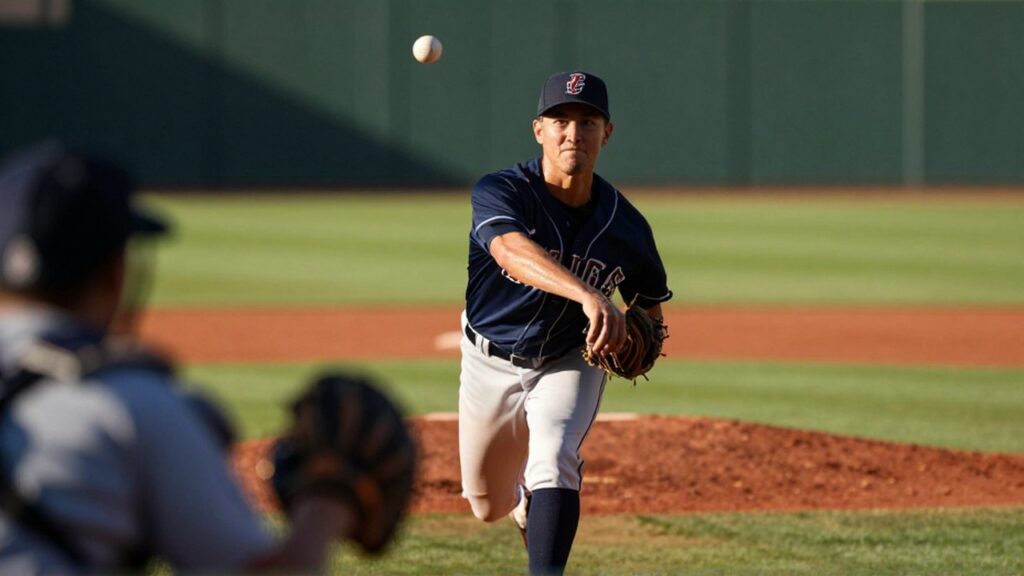
In the complex world of baseball analytics, understanding how to evaluate a pitcher's true talent level is essential for anyone following the sport. Two of the most prominent metrics used for this purpose are Earned Run Average (ERA) and Fielding Independent Pitching (FIP). While both aim to quantify a pitcher's performance, they approach the task from different philosophical angles by looking at what a pitcher can and cannot control on the mound.
ERA serves as the traditional standard for measuring how many earned runs a pitcher allows per nine innings. It is the metric most familiar to fans and old-school scouts, acting as a direct reflection of the actual outcomes during a game. However, because ERA is heavily influenced by defensive performance and luck, it often fails to provide a complete picture of a pitcher's individual skill.
FIP was developed to strip away these external variables by focusing solely on the events that a pitcher can influence directly: home runs, walks, strikeouts, and hit batters. By isolating these factors, FIP attempts to predict future performance more accurately than ERA. Understanding the gap between these two numbers is key to determining if a pitcher is performing at an elite level or simply benefiting from a strong defense.
Understanding Earned Run Average
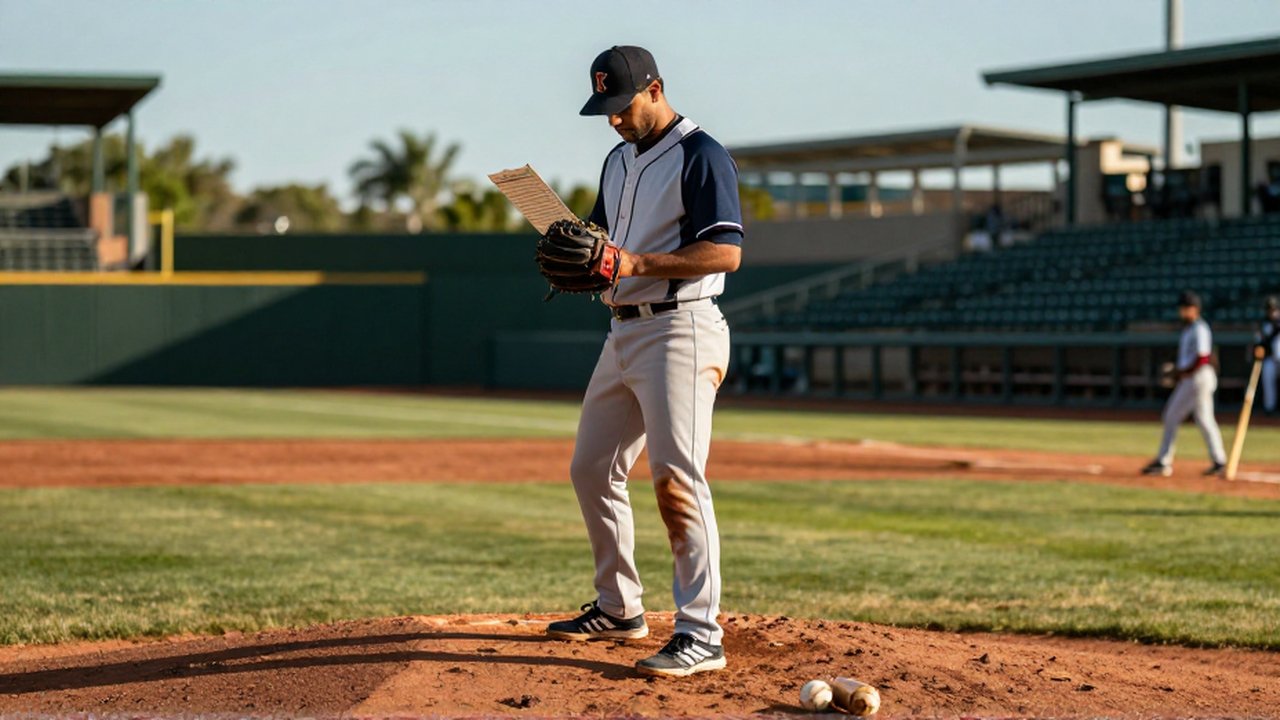
Earned Run Average (ERA) is the most widely recognized statistic in baseball. It calculates the average number of earned runs a pitcher concedes every nine innings pitched. A lower ERA is better, as it signifies that the pitcher is preventing the opposing team from scoring.
The calculation of ERA relies on total earned runs divided by innings pitched, then scaled to a nine-inning baseline. Because it relies on the final score and the official scorer's decision on whether a run is "earned," it is a measure of results. If a pitcher gives up a hit that leads to a run, that run counts against their ERA, regardless of whether the shortstop made a spectacular play or a routine error.
The primary strength of ERA is its simplicity and its direct link to winning games. It tells you exactly how much damage a pitcher allowed. However, its limitation lies in its dependency on the fielders behind the pitcher. A pitcher with a high ERA might not be "bad"; they may simply be playing behind a defense with poor range or a team that commits many errors.
Defining Fielding Independent Pitching
Fieldering Independent Pitching (FIP) is an advanced metric designed to measure a pitcher's effectiveness by ignoring variables that occur after the ball is put into play. The core philosophy of FIP is that a pitcher has little control over whether a ground ball finds a hole in the infield or if an outfielder misses a fly ball.
FIP focuses on three specific categories of events:
- Strikeouts: Reflecting the ability to miss bats.
- Walks and Hit Batters (BB/HBP): Reflecting control and command.
- Home Runs (HR): Reflecting the ability to limit the most damaging type of contact.
By using a formula that weighs these specific outcomes, FIP provides a "purified" version of a pitcher's performance. It aims to answer the question: "If this pitcher had an average defense behind them, how would they have performed?" This makes FIP a predictive tool frequently used by analysts to identify pitchers who are due for improvement or those who are overperforming their actual skill level.
Comparing ERA and FIP in practice
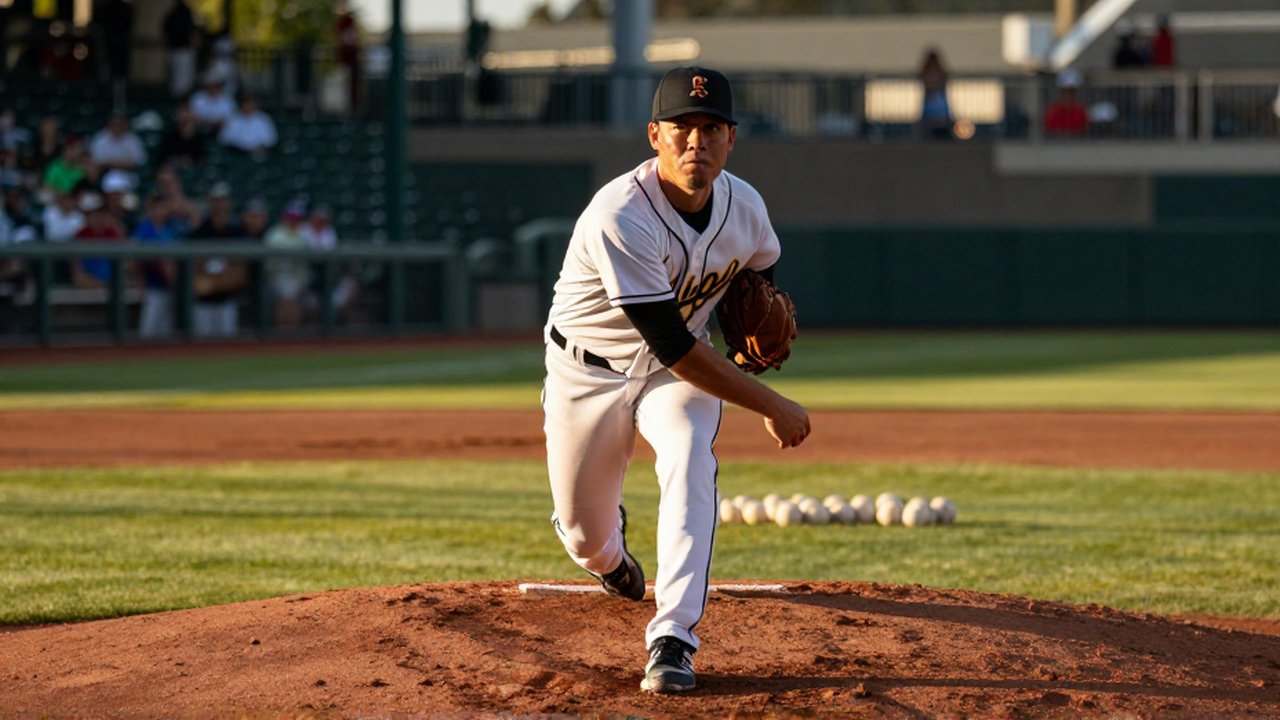
The most valuable information for a baseball enthusiast or analyst comes from comparing the two metrics. When ERA and FIP are significantly different, it reveals a narrative about the pitcher's recent season.
| Scenario | Relationship | Interpretation |
|---|---|---|
| ERA is much lower than FIP | ERA < FIP | The pitcher is likely benefiting from excellent defense or good luck with balls in play. This performance may be unsustainable. |
| ERA is much higher than FIP | ERA > FIP | The pitcher is likely being victimized by poor defense or bad luck. This often suggests the pitcher is due for an improvement in ERA. |
| ERA and FIP are similar | ERA $approx$ FIP | The pitcher's results align closely with their underlying skill. This is a sign of a stable and predictable performance. |
A pitcher with a 3.00 ERA but a 4.50 FIP is a significant "red flag" for many analysts. It suggests that while the pitcher is currently preventing runs effectively, they are not actually dominating hitters in a way that guarantees future success. Conversely, a pitcher with a 4.50 ERA and a 3.20 FIP is considered a "hidden gem" that might be traded or relied upon heavily because their underlying numbers suggest they are better than their surface results appear.
Common misconceptions about pitching metrics
A frequent mistake is viewing FIP as a replacement for ERA rather than a complement to it. FIP does not tell you how many runs a pitcher will actually yield; it tells you about their skill. ERA is still vital because, at the end of the day, the goal of baseball is to prevent runs, and ERA measures exactly that.
Another misconception is that a high strikeout rate always leads to a low FIP. While strikeouts are a major component of the FIP formula, a pitcher who strikes out many batters but also walks a high number of players may still end up with a high FIP. Both command (walks) and stuff (strikeouts) must be balanced to achieve a superior rating.
Frequently asked questions
Does FIP account for ground balls? No, FIP intentionally ignores ground balls and fly balls. It assumes that once a ball is put in play, the outcome is largely a matter of luck or defensive skill rather than the pitcher's direct control.
Why is FIP considered more predictive than ERA? FIP is considered more predictive because strikeouts, walks, and home runs are more stable year-to-year than batted-ball outcomes. A pitcher's ability to strike people out usually remains consistent, whereas their ability to induce ground balls can fluctuate wildly.
Can a pitcher have a great ERA but a terrible FIP? Yes. This typically happens to "contact pitchers" who play behind an elite defense. They may allow very few runs because their teammates catch everything, even if the pitcher is not actually missing many bats or controlling the strike zone.
Is a lower FIP always better than a lower ERA? Not necessarily. A lower ERA means the pitcher prevented more actual runs. However, a lower FIP suggests the pitcher has better underlying tools. Comparing them helps you decide if a pitcher's current success is a permanent skill or a temporary streak of luck.
Leave a Reply