How to properly fit a baseball catcher's mask
Introduction
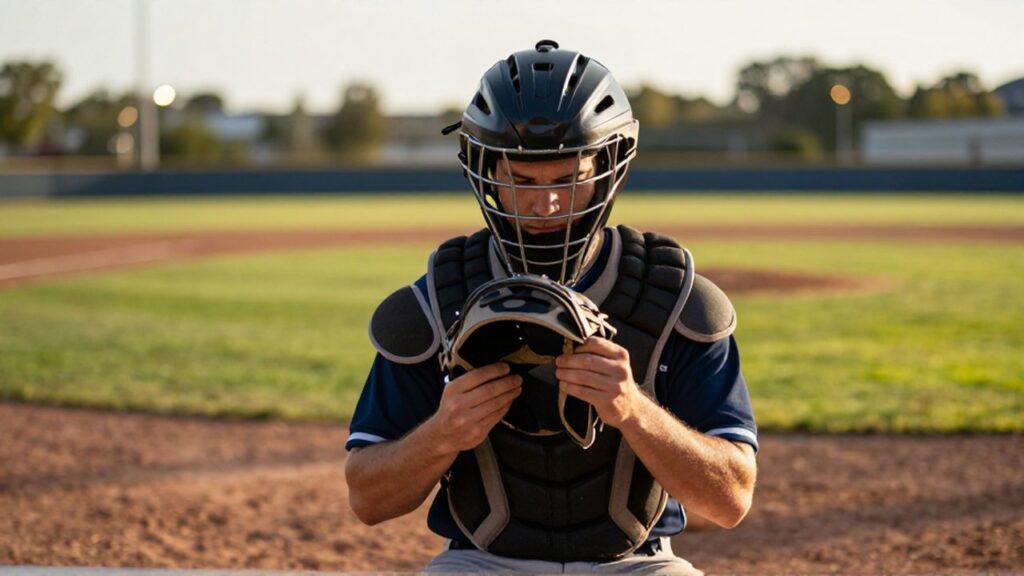
A catcher's mask is one of the most critical pieces of protective equipment in baseball. It serves as the primary line of defense for the player positioned directly behind the plate, protecting the face, jaw, and eyes from high-velocity pitches, foul tips, and collisions. Proper fitting is not merely a matter of comfort; it is a fundamental safety requirement that ensures the mask remains stable during intense physical movement and provides the necessary clearance to prevent impact injuries.
Achieving a perfect fit requires balancing two competing needs: maximum protection and optimal visibility. If a mask is too loose, it may shift or bounce during a game, potentially leaving gaps where a ball could penetrate. Conversely, if it is too tight, it can cause discomfort, restrict breathing, or obstruct the catcher's peripheral vision. Learning how to adjust the various components of the mask is an essential skill for any player looking to perform safely and effectively behind the plate.
Importance of a secure fit
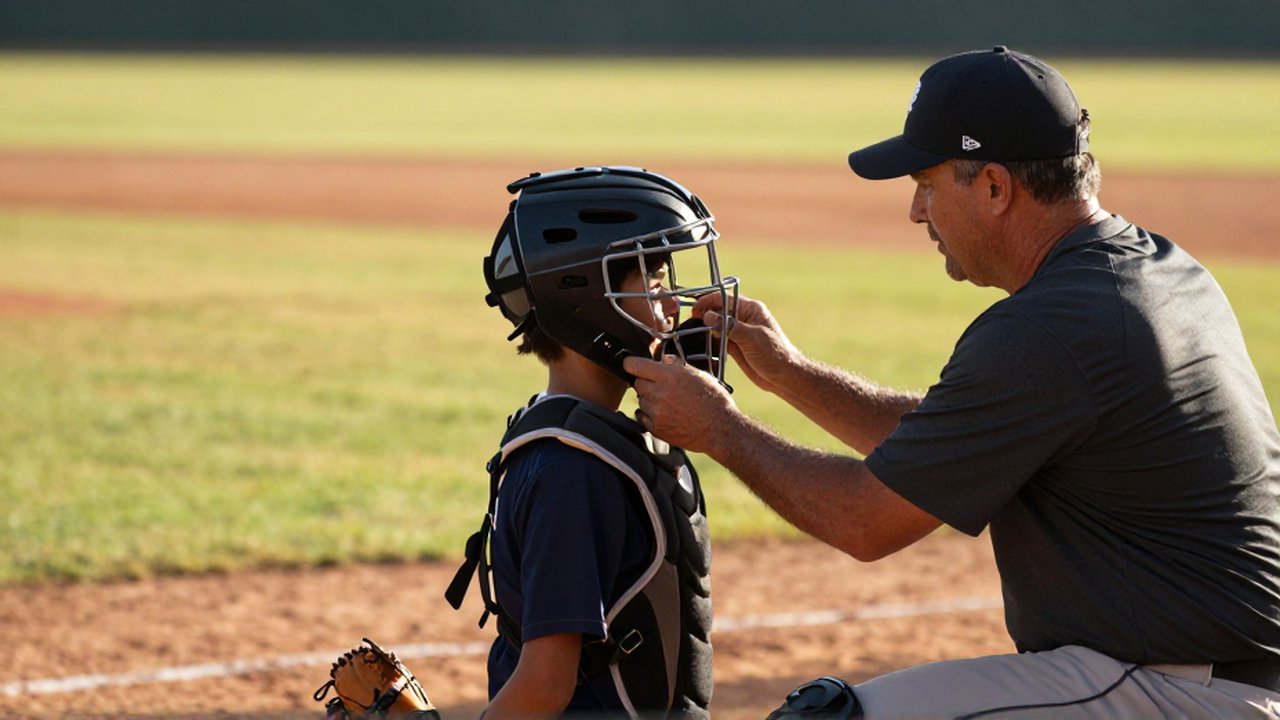
The primary objective of a well-fitted catcher's mask is stability. When a catcher moves—squatting, rising, or reacting to a play at the plate—the mask must move with the head rather than against it. A mask that wobbles or slips can lead to distraction or, worse, a dangerous gap between the mask and the face.
Beyond safety, a proper fit enhances performance. A catcher needs to maintain a clear line of sight to the pitcher and the ball at all times. If the mask is improperly positioned, the steel bars or the cage might obstruct the view, causing the player to miss crucial cues. Furthermore, a secure fit allows the player to breathe more easily through the cage without the pressure of the straps cutting into the skin, which is vital during the high-intensity intervals characteristic of a baseball game.
Steps for fitting the mask
To ensure the mask is ready for game play, follow these practical steps to adjust the various components:
- Position the mask on the head: Place the mask over your face, ensuring the nose sits comfortably within the chin area and the eyes are centered within the viewing window provided by the cage.
- Adjust the cranial straps: Most modern masks feature a harness or series of straps that wrap around the back of the head. Tighten these until the mask feels snug against the forehead and temples, but stop before it creates pressure points.
- Check the chin cup and jaw support: Ensure the lower portion of the mask sits firmly against the chin. It should not be so tight that it pushes the mask upward toward the eyes, nor so loose that it hangs below the jawline.
- Verify eye clearance: Look through the cage. You should have a clear view of the field without the bars appearing to "crowd" your vision. There should be enough space between your eyes and the bars to prevent direct contact in the event of a vibration.
- Test movement: Perform a series of rapid head movements, such as nodding and shaking your head from side to side. The mask should stay firmly in place without sliding down the face or tilting excessively.
Common fitting mistakes to avoid
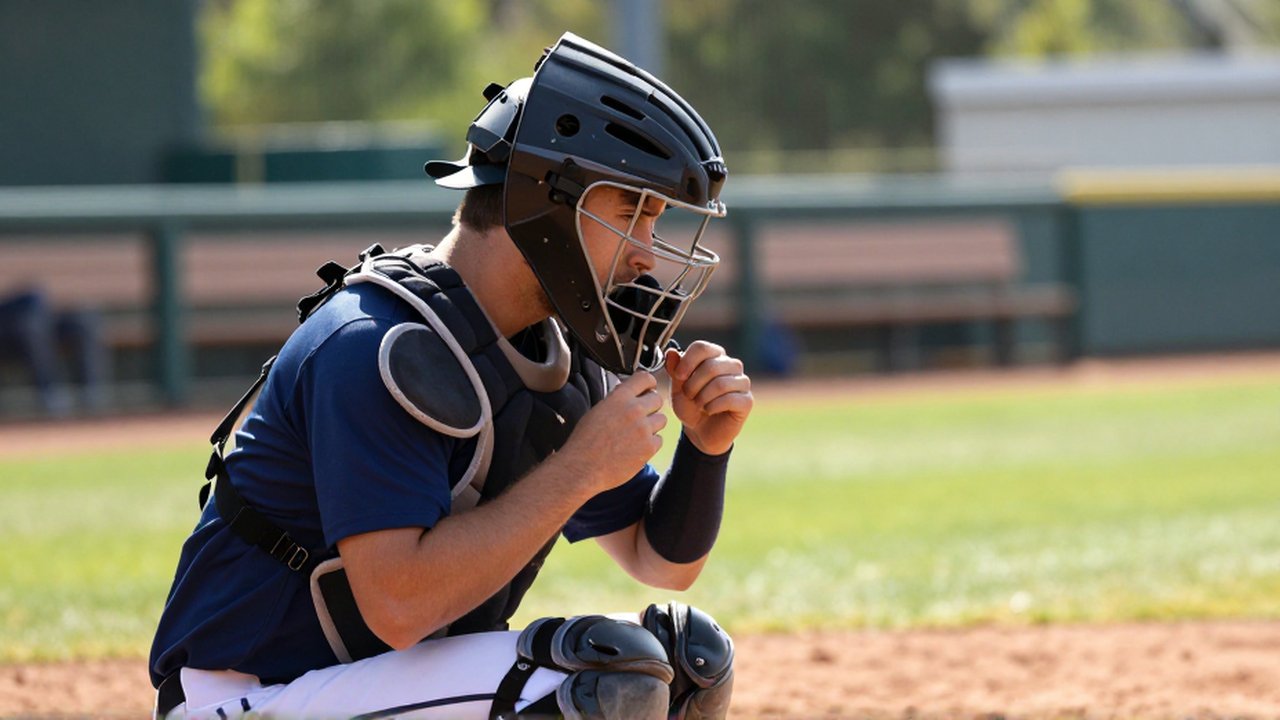
Many players make errors during the fitting process that can compromise both safety and comfort. Recognizing these mistakes is key to maintaining high protective standards.
- Over-tightening the straps: While stability is crucial, tightening the straps excessively can lead to headaches or restrict the wearer's ability to breathe comfortably. It can also cause the mask to "ride up" onto the forehead.
- Ignoring the rear harness adjustment: Some players focus only on the chin area and forget to adjust the back of the mask. A mask that is tight at the chin but loose at the back will inevitably slip during play.
- Improper eye alignment: If the mask is positioned too high or too low on the face, the bars of the cage may block the catcher's ability to track the ball. This is a common issue when players try to use a mask designed for a different head shape.
- Neglecting the padding: If the internal padding is worn down or shifted, the mask will not sit correctly regardless of how much the straps are tightened. Always ensure the padding is even and provides a consistent cushion.
Essential criteria for a good fit
When evaluating whether a mask is correctly fitted, use the following criteria as a guide:
| Criterion | Desired Result | Danger Sign |
|---|---|---|
| Stability | The mask moves as one with the head. | The mask slides or bounces during movement. |
| Visibility | A clear, unobstructed view of the strike zone. | Bars obstructing the center of the field of view. |
| Comfort | No localized pressure on the forehead or chin. | Sharp pain or numbness after several minutes. |
| Protection | No gaps between the face and the mask. | Large spaces where a ball could enter. |
Frequently asked questions
Can I use a mask that is slightly too large? It is generally not recommended. A mask that is too large will have significant gaps and will shift during play, significantly increasing the risk of injury from a stray ball.
How often should I re-adjust my mask? You should check the fit before every game and every practice session. Throughout a game, if you feel the mask shifting due to sweat or movement, take a moment to ensure the straps are still secure.
Does the thickness of the padding affect the fit? Yes. Thicker padding provides more comfort and impact absorption but takes up more space inside the mask. If you add aftermarket padding, you will likely need to loosen the straps to accommodate the extra volume.
How do I know if the mask is too tight? If you experience a headache, feel pressure behind your eyes, or find it difficult to take deep breaths through your nose and mouth, the mask is likely too tight.
Leave a Reply