How to build baseball endurance for long games

Introduction
Baseball is a sport defined by long periods of intense mental focus punctuated by sudden, explosive bursts of physical exertion. Unlike sports with continuous running, baseball requires a unique type of stamina that blends aerobic capacity with anaerobic power. Developing this endurance is essential for maintaining reaction times, swing speed, and throwing accuracy from the first inning through the final out of an extra-innings game.
Building effective endurance allows players to avoid the late-game fatigue that often leads to mechanical errors, such as losing footing in the batter's box or failing to track a fly ball in the outfield. When a player is physically exhausted, their cognitive processing slows down, making them more susceptible to mistakes. Therefore, endurance training is not just about cardiovascular health; it is a vital component of performance consistency and injury prevention.
By implementing a structured training program that addresses different energy systems, players can ensure they remain sharp and physically capable throughout the entire duration of a game. This involves a combination of steady-state cardio, interval training, and sport-specific conditioning to simulate the unpredictable demands of the diamond.
The difference between aerobic and anaerobic endurance in baseball
To train effectively, it is crucial to understand that baseball requires two distinct types of energy. Aerobic endurance refers to your body's ability to sustain activity over a long period using oxygen. This is what keeps you moving during the long gaps between innings, the long walks in the outfield, or the slow pace of a pitcher between pitches. A strong aerobic base helps your heart and lungs recover more quickly during rest periods.
Anaerobic endurance, on the other hand, is the ability to perform high-intensity movements that do not rely on immediate oxygen consumption. This includes sprinting to first base, jumping for a catch, or the explosive rotation of a swing. Because these movements are short but extremely taxing, you must train your body to recover from these "bursts" while still remaining functional for the next play.
A balanced approach means you cannot ignore one for the other. A player with great sprinting speed but poor aerobic conditioning will burn out by the fifth inning. Conversely, a player with great stamina but no explosive power will struggle to make the athletic plays required to succeed in the game.
Effective cardiovascular training methods
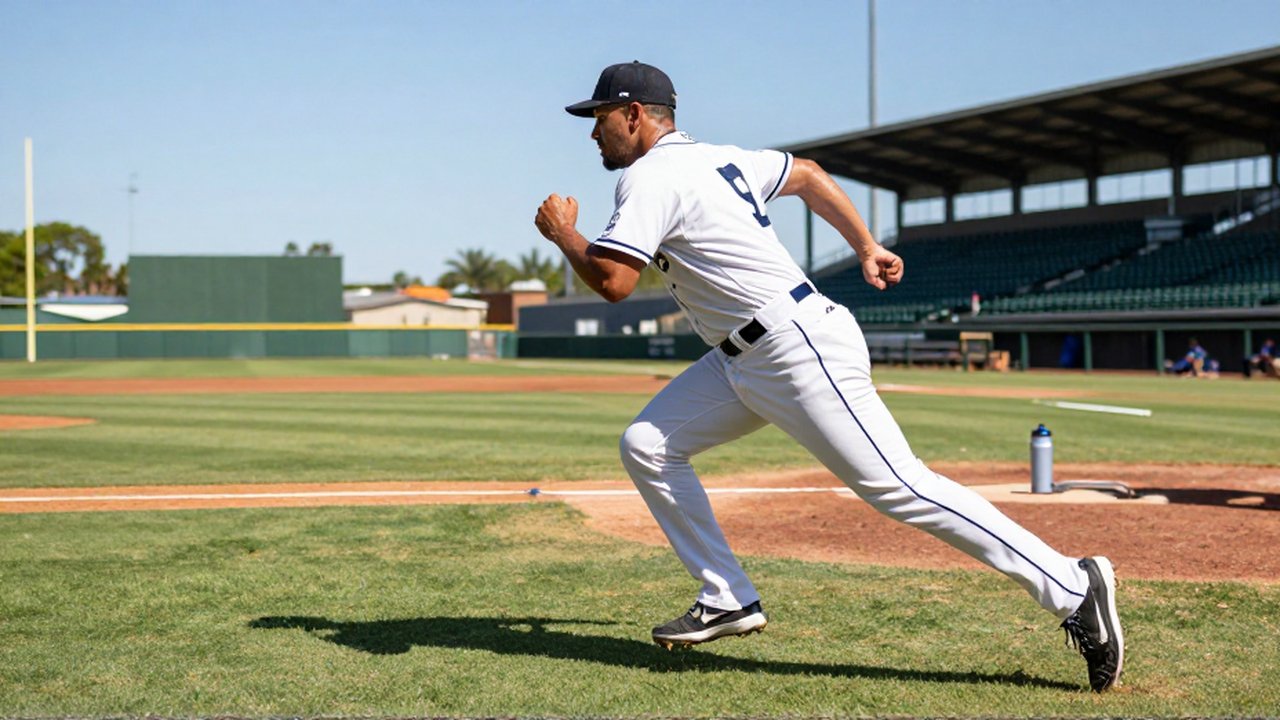
Building a foundation of endurance requires a variety of training modalities. You should not rely solely on long-distance running, as this does not replicate the stop-and-go nature of baseball. Instead, incorporate the following methods:
Steady-state cardio This involves moderate-intensity activity performed for an extended period, such as jogging or cycling. This builds your aerobic base and improves your overall recovery rate. Aim for sessions that last 30 to 45 minutes at a pace where you can still hold a conversation.
Interval training Intervals are the most specific way to train for baseball. This involves alternating between periods of high-intensity effort and periods of low-intensity recovery. For example, sprinting at 90% effort for 30 seconds followed by 60 seconds of walking is a highly effective way to mimic the demands of running the bases or chasing a fly ball.
Agility and lateral movement drills Endurance in baseball is also measured by how well you can move laterally and change direction. Exercises like ladder drills, cone shuttles, and side-to-side shuffling improve your muscular endurance in the legs and core, ensuring you can maintain defensive positioning throughout a long game.
Strength training for sustained performance
Strength is a component of endurance. If your muscles are weak, they will fatigue much faster during repetitive motions. To support long-term performance, focus on functional strength that emphasizes the entire kinetic chain.
| Exercise Type | Target Area | Benefit for Baseball |
|---|---|---|
| Compound Lifts | Legs and Core | Provides the power base for sprinting and hitting. |
| Rotational Work | Obliques and Torso | Improves the endurance of the swing mechanism. |
| Unilateral Training | Single Leg Stability | Enhances balance and prevents fatigue-related injury. |
| Posterior Chain | Glutes and Hamstrings | Supports explosive movement and deceleration. |
Focusing on high repetitions with moderate weight can help build muscular endurance, whereas lower repetitions with higher weight build the raw strength necessary to prevent your form from breaking down when you are tired.
Nutritional and hydration strategies for long duration

Even the best physical training will fail if your fuel is inadequate. During long games, especially in warm climates, your body depletes glycogen stores and loses electrolytes through sweat.
Consistent fueling Eat complex carbohydrates a few hours before a game to ensure your glycogen stores are full. During the game, if there are long breaks or doubleheaders, small, easily digestible snacks can help maintain blood sugar levels without causing stomach discomfort.
Hydration and electrolyte balance Drinking water is necessary, but for long games, you must also replace lost salts. Electrolytes like sodium, potassium, and magnesium are vital for muscle contraction and preventing cramps. Dehydration is one of the fastest ways to lose mental focus and physical coordination.
Recovery post-game The endurance for tomorrow's game is built today. Consuming a mix of protein and carbohydrates immediately after play helps repair muscle tissue and replenish the energy you used, ensuring you do not enter the next game in a deficit.
Common mistakes in endurance training
One of the most frequent errors is "overtraining," or attempting to do too much too soon. Increasing the volume of running or lifting too rapidly can lead to overuse injuries like shin splints or tendonitis, which will ultimately hinder your ability to play.
Another mistake is neglecting the "rest and recovery" phase. Endurance is built during the periods when the body is repairing itself, not just during the workout. Without adequate sleep and scheduled rest days, the body cannot adapt to the training load.
Finally, many players focus only on "cardio" and neglect core stability. A weak core will cause your body to compensate during fatigue, leading to inefficient movements and a higher risk of lower back or hip injuries during the later stages of a game.
Frequently asked questions
How many days a week should I train for endurance? It depends on your current fitness level, but generally, 3 to 4 days of dedicated conditioning integrated with your skill work is sufficient. It is vital to allow for recovery days to prevent burnout.
Can endurance training make me slower? If you only perform long-distance, slow-paced running, you might lose some "twitch" or explosive speed. This is why it is essential to include high-intensity interval training (HIIT) and sprint work to maintain your explosiveness.
Does endurance training help with mental focus? Yes. Physical fatigue is closely linked to mental fatigue. By increasing your physical capacity to handle a game, you reduce the cognitive strain caused by exhaustion, allowing you to stay focused on the pitcher and the game situation.
How long does it take to see improvements? While some cardiovascular benefits can be felt within a few weeks, building a significant aerobic and anaerobic foundation typically takes several months of consistent, structured training.
Leave a Reply