How to maintain baseball gear in humid weather
Introduction
Baseball equipment is a significant investment that requires specific care to ensure longevity and performance. In tropical or high-humidity environments, such as the Dominican Republic, moisture becomes a constant enemy to leather, fabric, and metal. High humidity levels accelerate the growth of mold, cause leather to rot, and can lead to the oxidation of metal components.
Maintaining your gear in these conditions is essential to prevent the degradation of the materials used in gloves, cleats, and bats. Proper maintenance ensures that your equipment remains safe to use, maintains its structural integrity, and performs consistently during games or training sessions. Without a dedicated care routine, humidity can turn high-quality gear into unusable equipment in a very short period.
Knowing how to manage moisture-related risks allows players to extend the lifecycle of their gear. By implementing specific cleaning, drying, and storage habits, you can combat the effects of damp air and protect your tools from the hidden dangers of microscopic fungal growth and chemical oxidation.
The impact of humidity on leather gloves

Leather is highly organic and porous, making it particularly susceptible to atmospheric moisture. When humidity levels are high, leather fibers absorb water vapor from the air, which can lead to several issues. The most common problem is the development of mold and mildew, which not only creates unpleasant odors but can also physically break down the leather fibers.
Excessive moisture also prevents the leather from "breathing." If a glove remains damp, the oils used to condition the leather can become diluted or washed out, leading to a stiff, brittle surface once the moisture eventually evaporates. This cycle of swelling and shrinking causes cracks that compromise the glove's shape and the player's ability to catch the ball effectively.
To prevent this, it is vital to use moisture-absorbing materials inside the glove. Placing cedar chips or specialized desiccant packets inside the pocket of the glove can help pull moisture away from the leather. Additionally, avoiding heavy oils during periods of extreme humidity is recommended, as excess oil can trap moisture against the leather rather than repelling it.
Steps to clean and dry gear properly
Effective maintenance begins with a disciplined cleaning routine immediately after every use. Sweat and environmental moisture must be addressed before they settle into the materials.
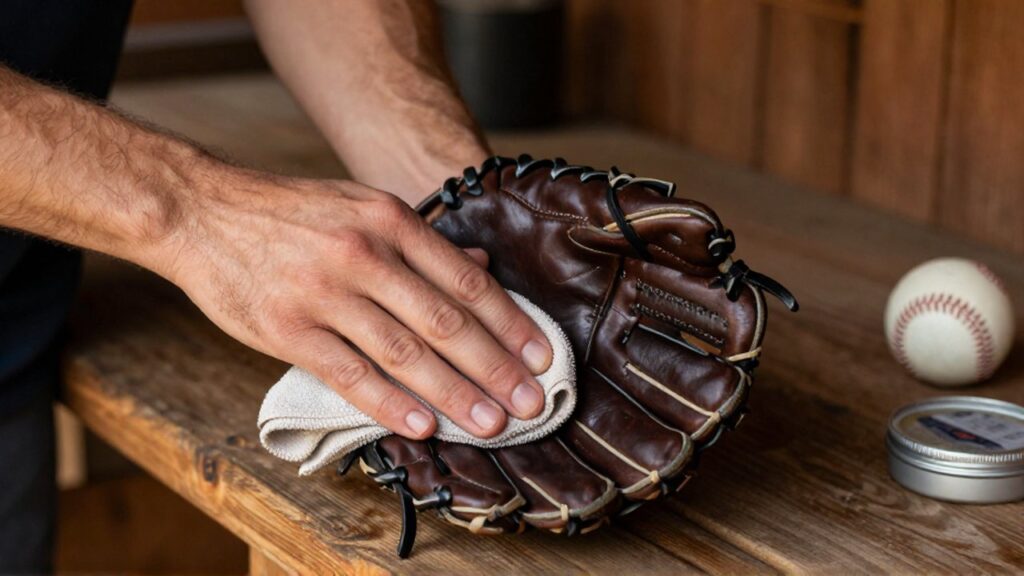
First, use a soft, damp cloth to wipe down all leather surfaces. Do not soak the gear; instead, use a gentle wicking motion to remove surface salt from sweat and dirt. For more stubborn grime, a mild, non-detergent soap can be used, followed immediately by a thorough wipe-down with a clean, dry cloth.
Second, focus on the drying process. Never place baseball gear, especially leather gloves or cleats, near direct heat sources like heaters or in direct sunlight to speed up drying. Rapid temperature changes cause leather to crack and can warp the shape of the bat or the structure of the glove. Instead, allow the equipment to air dry in a well-ventilated area away from intense heat.
Third, inspect the gear for signs of moisture damage. Look for dark spots (mildew) or a change in the texture of the leather. If mold is detected, it must be cleaned with a specific leather cleaner or a very diluted vinegar solution before being allowed to dry completely.
Preventing oxidation on metal bats and cleats

While leather suffers from rot, metal equipment such as aluminum bats and metal cleats faces the threat of oxidation, commonly known as rust. In humid climates, the thin layer of moisture on metal surfaces reacts with oxygen to create a corrosive layer that can pit the surface and weaken the material.
To protect metal bats, always wipe them down with a dry microfiber cloth after playing. This removes the condensation and sweat that accumulate on the barrel. If you notice any small spots of oxidation, use a fine-grade polishing cloth to gently remove them, ensuring the surface remains smooth to maintain the bat's aerodynamics and contact consistency.
For metal cleats, pay close attention to the spikes and the eyelets of the shoes. Dirt trapped in the spikes can hold moisture against the metal, accelerating rust. Clean the underside of the cleats thoroughly after every game and ensure they are completely dry before storing them in a closed bin or bag.
Best practices for gear storage
Where and how you store your gear is just as important as how you clean it. Storing gear in airtight plastic bags in a humid environment is a mistake, as it traps existing moisture inside, creating a perfect incubator for mold.
Instead, follow these storage guidelines:
| Storage Item | Recommended Method | Avoid |
|---|---|---|
| Leather Gloves | Open-air, ventilated shelf or specialized bag | Airtight plastic bags or damp equipment lockers |
| Metal Bats | Individual sleeves or upright in a dry area | Leaving them in wet gear bags |
| Cleats | Well-ventilated area with desiccant packets | Dark, unventilated closets or damp trunks |
| Bags/Duffels | Unzipped to allow airflow | Keeping them zipped after a game |
Using a dedicated equipment room that is relatively dry and has good airflow is the best defense. If you must store gear in a locker, invest in silica gel canisters or large desiccant packs to regulate the microclimate inside your equipment bag.
Frequently asked questions
How often should I condition my leather glove in humid weather? Conditioning should be done sparingly in high humidity. While leather needs moisture to stay supple, over-conditioning can trap humidity inside the fibers. Aim for once a month or whenever the leather feels dry, rather than on a strict weekly schedule.
Can I use a hairdryer to dry my wet baseball glove? No, you should avoid using a hairdryer or any high-heat source. Rapid drying causes the leather to contract too quickly, which results in permanent cracking and loss of the glove's "pocket" shape.
What should I do if I find mold on my gear? If you find mold, clean the area immediately using a specialized leather cleaner or a very diluted solution of white vinegar and water. Use a soft brush to remove the spores, and ensure the item is dried thoroughly in a ventilated area. If the mold has penetrated deep into the leather, the structural integrity may be compromised.
Does humidity affect the performance of an aluminum bat? Yes, if oxidation occurs, it can create a rough surface on the barrel. This can affect how the ball reacts upon impact and may lead to structural weaknesses over long-term use. Regular cleaning and drying are essential for metal bats.
Leave a Reply