How does the strike zone work in professional baseball

Introduction
The strike zone is one of the most critical and debated components of professional baseball. It serves as the invisible boundary used by umpires to determine whether a pitch is a strike or a ball. Understanding how this zone is defined is essential for fans, players, and analysts alike, as the accuracy of its application directly influences the outcome of every at-bat, pitching duel, and game.
A strike is called when a pitch passes through this predefined area without being hit by the batter, or when the batter swings and misses. Conversely, if a pitch falls outside this area and the batter does not swing, it is ruled a ball. Because the zone is not a physical object but a conceptual area, its mastery becomes a cornerstone of professional strategy and officiating.
The physical dimensions of the strike zone
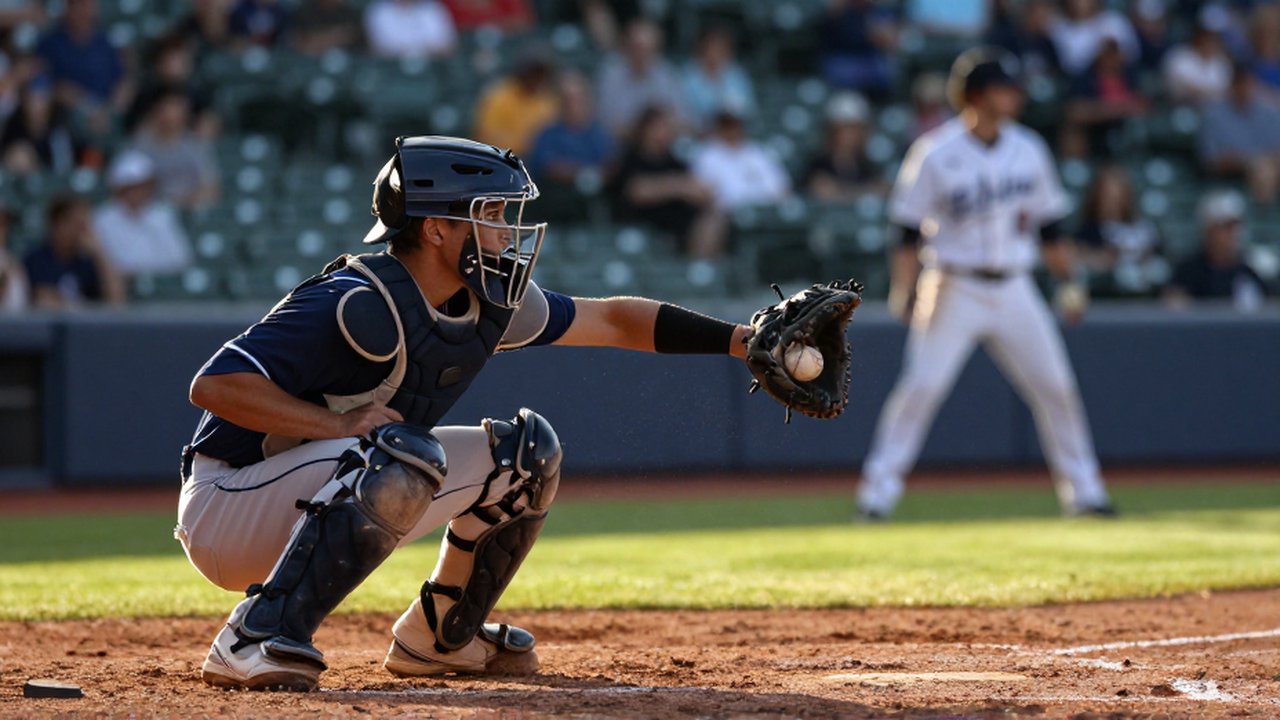
In professional baseball, the strike zone is not a fixed box with rigid edges like a crate; rather, it is an imaginary volume of space defined by the batter's stance. While the exact dimensions can vary slightly depending on the height and proportions of the hitter, there are standard landmarks that umpires use to maintain consistency.
The vertical boundaries are generally understood to be the area above the bottom edge of the home plate and below the midpoint of the batter's torso. Specifically, the bottom of the zone is aligned with the top of the knees, while the top of the zone is roughly at the midpoint of the batter's chest or waistline. This ensures that a pitch that is too low or too high is correctly identified as a ball.
The horizontal boundaries are defined by the width of home plate. A pitch is considered within the zone if it passes over any part of the plate. This creates a rectangular area when viewed from the catcher's perspective, but it is actually a three-dimensional corridor that extends from the front of the plate toward the catcher.
How umpires judge a pitch
The responsibility of calling strikes and balls lies solely with the home plate umpire. This role requires immense concentration, as the umpire must track the ball's trajectory from the pitcher's hand, through the air, and as it crosses the plate. To make an accurate call, the umpire looks for several key factors:
- Plate coverage: The pitch must cross over the physical dimensions of home plate.
- Verticality: The ball must pass through the specific height range relative to the batter's body.
- Trajectory: The umpire must account for the speed and movement (break) of the ball, which can cause it to enter or exit the zone at the last millisecond.
Because different batters have different heights and stances, the "effective" strike zone can shift. A tall batter with a high stance might present a larger vertical target than a shorter batter with an crouched position. Professional umpires are trained to adjust their mental template to the specific hitter currently occupying the batter's box.
The impact of the strike zone on game strategy
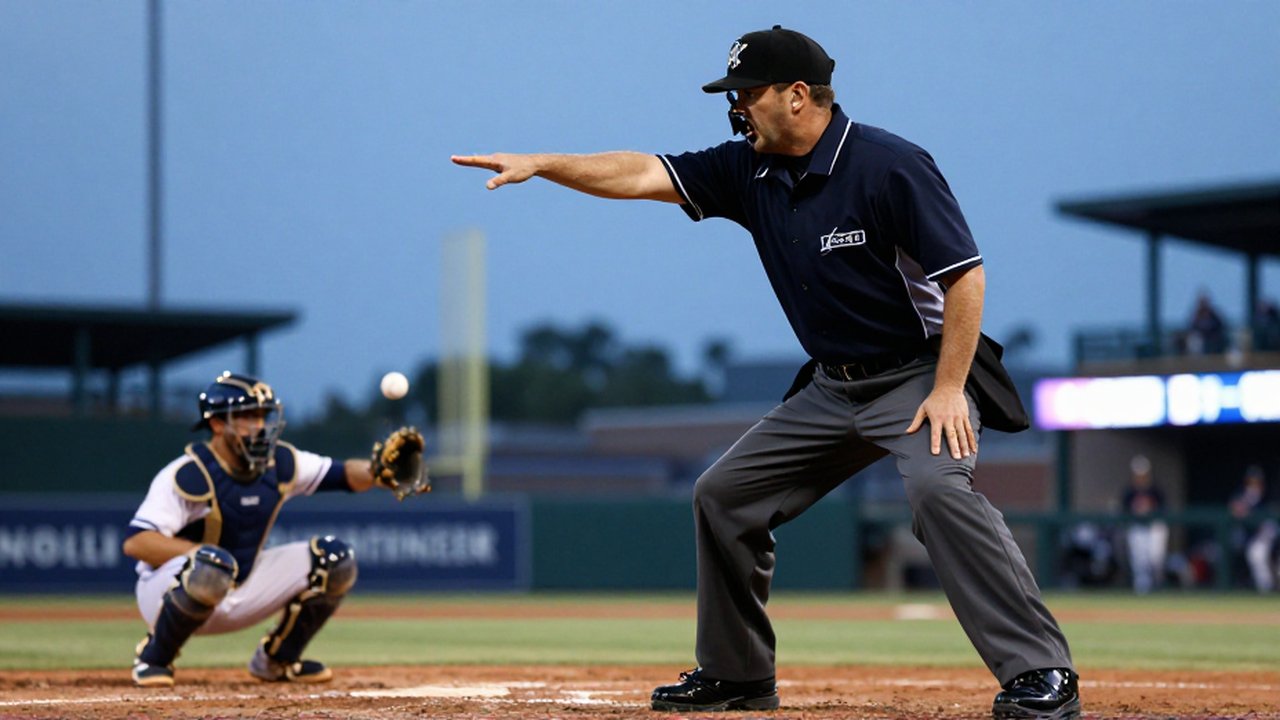
The definition of the strike zone dictates the tactical battle between the pitcher and the batter. Pitchers do not simply aim for the center of the zone; they aim for the edges to induce swings and misses or weak contact.
| Strategy Type | Execution | Goal |
|---|---|---|
| Painting the corners | Aiming for the very edges of the zone | To make the pitch difficult to distinguish from a ball |
| High/Low approach | Using extreme verticality | To exploit the batter's inability to adjust to height changes |
| Inside/Outside approach | Changing the horizontal depth | To force the batter to reach or be jammed |
Batters, on the other hand, must develop an "eye" for the zone. They attempt to identify the pitch early to decide whether to commit to a swing. If a batter has a disciplined approach, they can force the pitcher to throw more pitches, increasing the likelihood of a walk or a mistake pitch in a more hittable location.
Common misconceptions about the zone
One of the most frequent misunderstandings in baseball is the belief that the strike zone is a fixed, unchanging box for every player. As noted, the zone is relative to the batter. A pitch that is a "strike" for a short batter might be a "ball" for a much taller batter.
Another misconception is that a pitch must pass over the plate to be a strike. While the ball must indeed cross the plate, the "zone" is the window of height and width. If a ball is perfectly centered over home plate but is way above the batter's chest, it is a ball. Precision is required in both width and height simultaneously.
Frequently asked questions
What happens if a pitch touches the plate but is too high? If the ball touches the plate but passes above the designated vertical limit (usually the midpoint of the batter's torso), the umpire will call it a ball.
Does the catcher's glove affect the strike zone? The catcher's job is to frame the pitch. "Framing" is a technique where the catcher catches the ball in a way that makes a borderline pitch appear more centered in the zone to the umpire.
Can a pitch be a strike if the batter doesn't swing? Yes. If the pitch passes through the imaginary strike zone area and the batter does not swing, it is a called strike.
Is the strike zone the same in all professional leagues? While the general principles and the use of home plate as a guide are universal, slight variations in the vertical landmarks can exist between different professional organizations.
Leave a Reply