How does an error affect baseball scoring rules

Introduction
In baseball, scoring is not merely about tracking runs and hits; it is a precise method of evaluating player performance and defensive efficiency. An error occurs when a fielder fails to make a play that is considered "ordinarily expected" based on the difficulty of the task. Understanding how these mistakes are recorded is essential for interpreting box scores, as they directly impact the official statistics of both hitters and fielders.
The distinction between a hit and an error is one of the most nuanced aspects of baseball. While a hit rewards a batter for placing the ball in a position that makes it difficult to defend, an error credits the defensive lapse as the primary reason a runner reached base. Mastering these rules allows fans, players, and analysts to differentiate between offensive skill and defensive failure.
The difference between a hit and an error
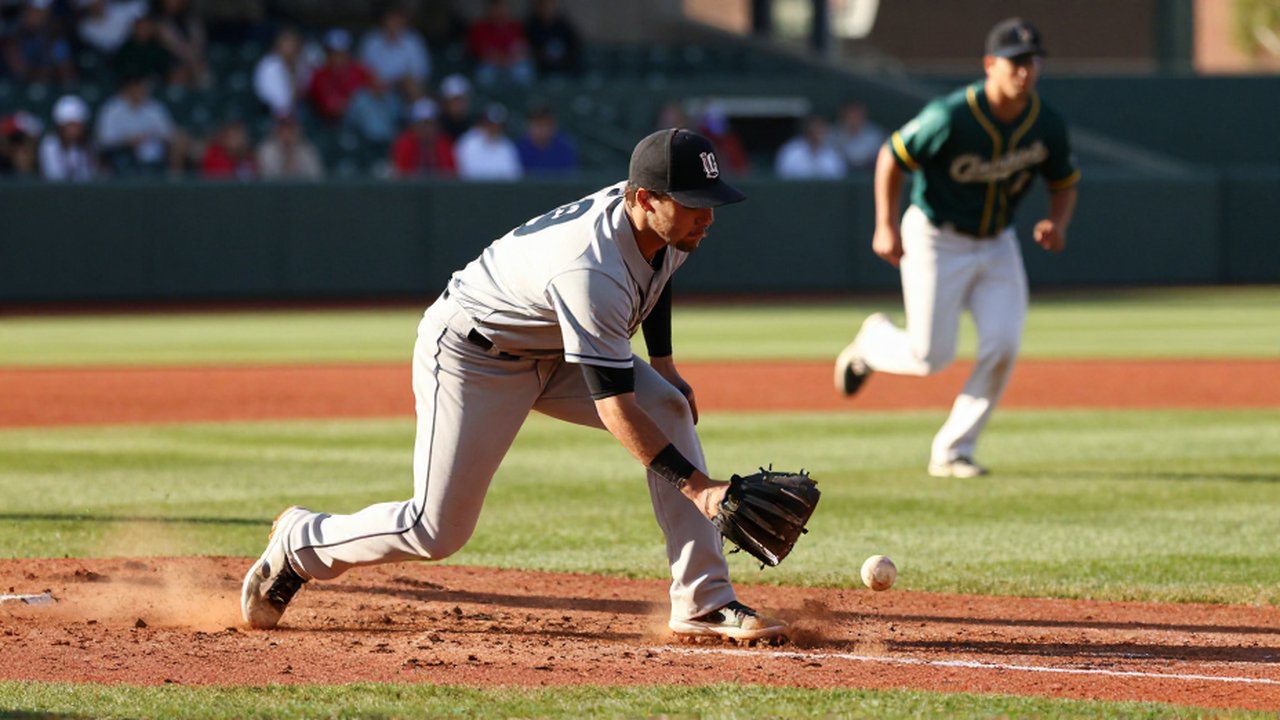
The primary function of scoring an error is to protect the integrity of a batter's batting average. If a batter reaches first base because a fielder dropped a simple ground ball, the batter should not be credited with a hit. Instead, the official scorer classifies the play as an error. This ensures that the "Hit" statistic remains a true reflection of a batter's ability to drive the ball and beat the defense.
To determine the difference, the official scorer evaluates the difficulty of the play. If a fielder makes a reasonable attempt to field a ball and succeeds, it is a hit. If the fielder fails to make a play that a professional would typically make, such as missing a routine pop fly or failing to throw a runner out at first on a standard grounder, an error is charged.
Impact on individual player statistics
Errors have a direct mathematical effect on various statistical categories. Because errors are treated as defensive failures, they prevent certain offensive milestones from being reached while simultaneously penalizing defensive metrics.
| Statistic | Effect of an Error |
|---|---|
| Batting Average | Decreases (if the error prevents a hit) |
| On-Base Percentage | Increases (the runner still reached base) |
| Fielding Percentage | Decreases (defensive errors lower this value) |
| Earned Run Average (ERA) | Can increase (if an error allows a run to score) |
When an error occurs, the fielder responsible sees their fielding percentage drop. For pitchers, the impact is even more significant regarding the Earned Run Average (ERA). If a runner scores because of a fielding error, that run is classified as "unearned," meaning it does not count against the pitcher's ERA. However, if the error allows the runner to stay on base, they may eventually score on a subsequent hit, which could still be recorded as an earned run depending on the timing.
How errors influence run scoring and earned runs

One of the most complex areas of baseball scoring involves determining whether a run is "earned" or "unearned." This distinction is vital for pitchers. An earned run is a run that the pitcher is held responsible for through standard play. An unearned run is a run that scored due to a defensive mistake.
If a batter reaches base on an error, and that specific runner eventually scores, that run is almost always labeled as unearned. The logic is that without the error, the inning would have ended or the runner would never have been in a position to score. This rule protects pitchers from being unfairly penalized for the mistakes of their teammates in the infield or outfield.
Common scenarios involving errors
Several specific game situations frequently trigger the recording of an error. These scenarios help clarify the boundaries of official scoring:
- Dropped Fly Balls: If a ball is hit directly to a fielder and they fail to catch it, an error is typically charged.
- Wild Throws: If a fielder catches a ball but throws it wildly past a base, preventing an out, the thrower is charged with an error.
- Failed Pickoff Attempts: If a catcher or infielder attempts to pick off a runner and the ball is dropped or the throw is inaccurate, an error is recorded.
- Base Running Interference vs. Error: It is important to note that if a runner causes a mistake via interference, it is not an error; however, if the fielder makes a mistake during a play on a runner, it is an error.
Frequently asked questions
Does an error count as an at-bat for the batter? Yes, an error is recorded as an at-bat. However, because the batter did not earn a hit, their batting average will decrease as a result of the at-bat.
Can a player be charged with two errors on the same play? In most cases, the official scorer will determine which specific mistake was the primary cause of the runner advancing. While multiple mistakes can happen in a sequence, they are usually consolidated into one error to avoid over-penalizing the defense.
What is the difference between a hit and an error if the runner reaches base? The distinction lies in the difficulty of the play. If the hit was due to the batter's skill in placing the ball, it is a hit. If the runner reached because the fielder missed a routine play, it is an error.
Does an error affect the pitcher's ERA? An error typically makes a run "unearned," which helps the pitcher's ERA. However, the error can still allow more runners to reach base, increasing the risk that future hits will result in runs.
Leave a Reply