Proper baseball glove breaking-in steps

Introduction
A high-quality baseball glove is one of the most important investments a player can make, but a brand-new glove is often too stiff to be used effectively in a game. Breaking in a glove is the essential process of softening the leather and shaping the pocket so that the glove can catch balls securely and predictably. Without a proper break-in period, the stiffness of the leather can lead to dropped balls, inaccurate fielding, and even discomfort for the player.
This process is necessary because premium baseball gloves are constructed from thick, durable leather designed to last for years. This durability, however, requires a transition period where the fibers of the leather are manipulated to conform to the player’s hand and the shape of a baseball. Doing this correctly ensures that the glove develops a "memory" of how it should sit, providing a reliable tool for defensive play.
Proper breaking-in should begin well before the first game of the season. It is a gradual procedure that requires patience and consistency. Rushing the process by using excessive force or improper methods can damage the leather or result in a glove that is too flimsy, losing its structural integrity and making it difficult to control.
Importance of a gradual break-in process
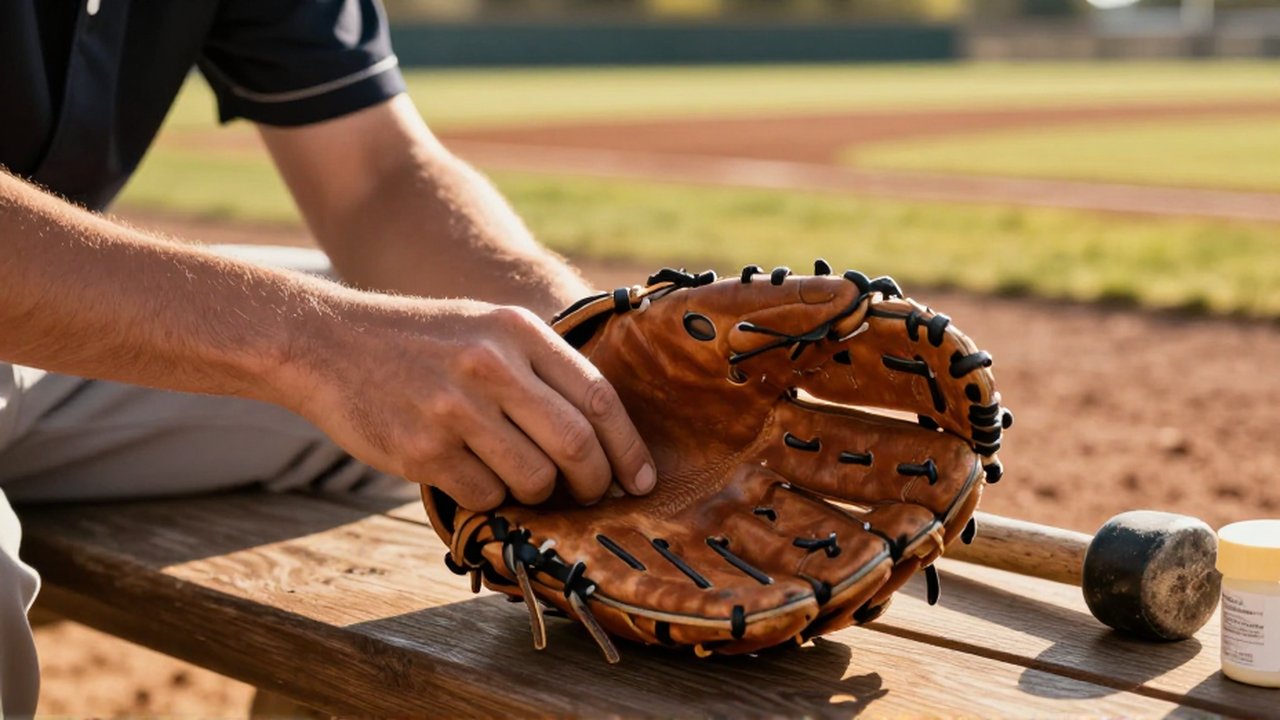
The primary goal of breaking in a glove is to create a deep, consistent pocket that holds the ball upon impact. When a glove is new, the leather is tightly packed and lacks flexibility. If a player attempts to use a stiff glove in a high-pressure game situation, the ball is likely to bounce out of the palm because the leather is too rigid to absorb the momentum.
A gradual approach allows the leather to soften evenly across the entire surface. This prevents certain areas from becoming too loose while others remain stiff. Furthermore, a well-broken-in glove becomes an extension of the player’s hand. The leather molds to the specific shape of the player's fingers and palm, offering better tactile feedback and control during much-needed defensive maneuvers.
Essential tools for glove preparation
Before starting the process, it is important to gather the necessary supplies to avoid damaging the material. While there are many specialized products on the market, the following are generally considered standard:
- Glove oil or conditioner: Used sparingly to keep the leather supple and prevent it from cracking.
- A baseball: To provide the physical impact needed to shape the pocket.
- A ball mallet or heavy object: To help compress the padding and shape the heel.
- Lace conditioner: Specifically for the leather strings that hold the glove together.
It is vital to use high-quality conditioners specifically designed for leather. Using improper oils, such as household oils or excessive amounts of generic leather conditioners, can over-saturate the leather, making it heavy, greasy, or prone to rotting over time.
Step by step guide to shaping the glove

The most effective way to break in a glove is through a combination of mechanical shaping and repetitive physical impact.
Manual shaping and manipulation Start by manually flexing the glove. Open and close the glove repeatedly with your hand inside to soften the palm and the finger stalls. Focus on the "hinge" area—the part where the glove folds near the thumb and pinky—as this is where most movement occurs. Use your hands to press the leather into the desired pocket shape.
Using a mallet for compression A leather mallet can be used to strike the pocket area and the heel of the glove. This helps compress the internal padding and forces the leather to take a more permanent shape. You should avoid hitting the lacing or the very edges of the glove, focusing instead on the center of the palm where the ball will land.
The repetitive catch method Once the leather is somewhat flexible, begin catching balls. Start by tossing a ball into the glove from a short distance and catching it with minimal effort. Gradually increase the intensity of the tosses. This mimics the actual impact of a game and helps the leather adapt to the shape of a baseball.
The rhythmic squeeze A common technique involves placing a ball in the pocket and squeezing the glove shut around it repeatedly. This helps "set" the pocket and ensures that the circumference of the glove is wide enough to accommodate the ball comfortably without it slipping through the fingers.
Common mistakes to avoid
Many players make errors during the break-in process that can lead to long-term damage. One frequent mistake is over-oiling. While leather needs moisture to remain supple, too much oil can cause the leather to lose its shape and become overly soft, eventually turning into a "floppy" glove that offers no protection or control.
Another mistake is using excessive force or being too aggressive with a mallet. If you strike the leather too hard, you risk breaking the laces or creating permanent dents that do not conform to the shape of a ball. Finally, avoid the temptation to skip the process and go straight to game play. A stiff glove will lead to poor performance and frustration, often causing players to buy a new glove prematurely.
Frequently asked questions
How long does the breaking-in process take? The time required depends on the quality of the leather and the intensity of the training. A high-quality professional glove may take several weeks of consistent daily work, whereas a softer, more processed glove might be ready in a few days.
Can I use a glove without breaking it in? You can, but it is not recommended for competitive play. A new glove will be very stiff, making it difficult to catch balls cleanly and potentially causing you to miss plays that you would otherwise make with a broken-in glove.
Should I use water to soften the leather? No, you should avoid using water to soften the leather. Water can cause the leather to dry out and crack once it evaporates. Always use specialized leather conditioners designed for sports equipment.
Is it better to break in a glove by hand or with a machine? Breaking in a glove by hand or with a ball is generally superior because it allows the leather to mold specifically to your hand and your unique catching style. Machine-breaking can sometimes result in a generic shape that lacks the personalized fit of a manually broken-in glove.
Leave a Reply