How many player substitutions are allowed in volleyball

Introduction
Understanding the rules regarding player substitutions is essential for anyone looking to play or officiate volleyball, whether in a casual setting or a competitive league. Substitutions allow coaches to manage player fatigue, adjust tactical strategies, or replace injured athletes without disrupting the flow of the game. Knowing exactly how many changes can be made and under what conditions ensures that a team remains compliant with official regulations and avoids unnecessary penalties.
In official FIVB (Fédération Internationale de Volleyball) indoor regulations, the rules are quite specific to maintain the fast-paced nature of the sport. While the number of substitutions can vary slightly depending on the specific level of play or the type of volleyball being played (such as beach volleyball versus indoor), mastering the standard indoor rules is the foundation for tactical play. This guide explains the limits, the process, and the critical distinction between a substitution and a rotation.
Standard substitution limits in indoor volleyball
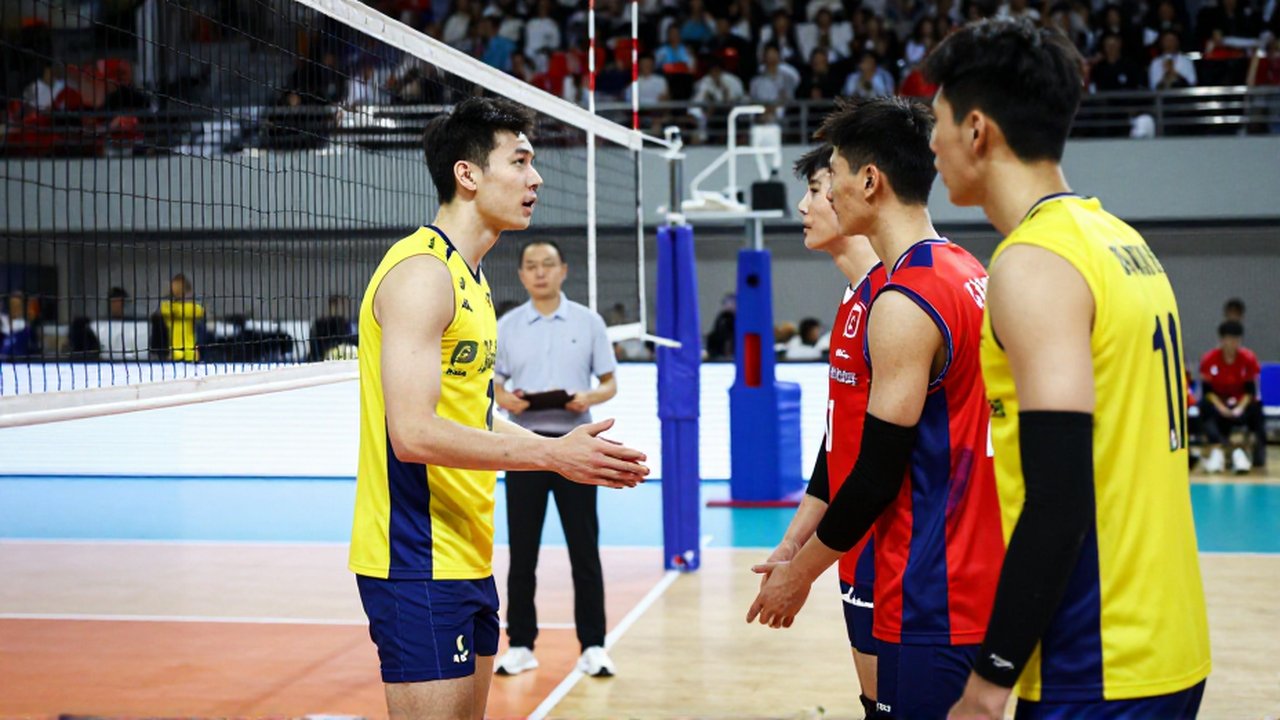
In standard indoor volleyball, each team is allowed a maximum of six substitutions per set. These substitutions are used to swap one player on the court for another player who is currently on the bench. It is important to note that once a player has been substituted out, they may only return to the court to replace the player who originally replaced them, or to replace a player in the same position, following specific rotation rules.
The replacement process must follow a strict order to ensure fairness. A player can only enter the game through the substitution zone, and the referee must signal the approval of the change. If a team exceeds the limit of six substitutions in a single set, they will face a penalty, typically resulting in a point and the loss of rally for the offending team.
Difference between substitutions and Libero replacements
One of the most common points of confusion for beginners is the difference between a standard substitution and a Libero replacement. In volleyball, the Libero is a specialized defensive player who wears a contrasting jersey and operates under different rules. The Libero does not count toward the team's six standard substitutions.
Instead, the Libero enters and leaves the game through a process called "replacement." This allows the Libero to swap with any back-row player without using one of the team's precious six substitution opportunities. Because this is considered a tactical exchange rather than a formal substitution, it can happen multiple times throughout a set without affecting the substitution limit.
Rules for player re-entry

When a player is substituted out, they do not leave the match entirely; they simply move to the bench. However, there are limitations on how and when they can return to the court. A player may return to the game only after the set has ended or by replacing the player who replaced them.
Key considerations for re-entry include:
- Sequence adherence: You cannot simply bring in any player at any time; the sequence of players entering and exiting must be documented by the scorekeeper.
- Set transitions: Most teams use the end of a set to "reset" their substitution count, allowing for a fresh six substitutions in the following set.
- Positioning: The player returning must enter the court in the correct rotational position to avoid an illegal lineup fault.
Common substitution mistakes to avoid
Even experienced players can make mistakes regarding substitution protocols. One frequent error is attempting to use a Libero replacement as a formal substitution, which can lead to confusion in the official scorebook. Another common mistake is forgetting that the substitution must be requested and completed during a dead ball; you cannot substitute while the ball is in play.
Teams also sometimes lose track of their count during long, intense sets. It is highly recommended that the coaching staff keeps a mental or physical tally of the six allotted moves. Failing to account for these moves can result in a "delay of game" warning or an immediate point penalty if the error is caught by the official.
Frequently asked questions
Can a player be substituted out and then immediately sub back in? No, a player who has been substituted must wait until a specific set of conditions are met (usually being replaced by the player who originally took their place) before they can return to the court.
Do substitutions count in beach volleyball? No, standard beach volleyball rules generally do not allow for substitutions. If a player is unable to continue due to injury, the team must either play with fewer players or forfeit the match.
Does the Libero count as one of the six substitutions? No, Libero exchanges are categorized as "replacements" and do not count toward the maximum of six substitutions allowed per set.
What happens if a team makes a 7th substitution? If a team attempts a seventh substitution in a single set, the referee will penalize the team, usually by awarding a point and the rally to the opposing side.
Leave a Reply