How Dominican physical preparation techniques have evolved
Introduction
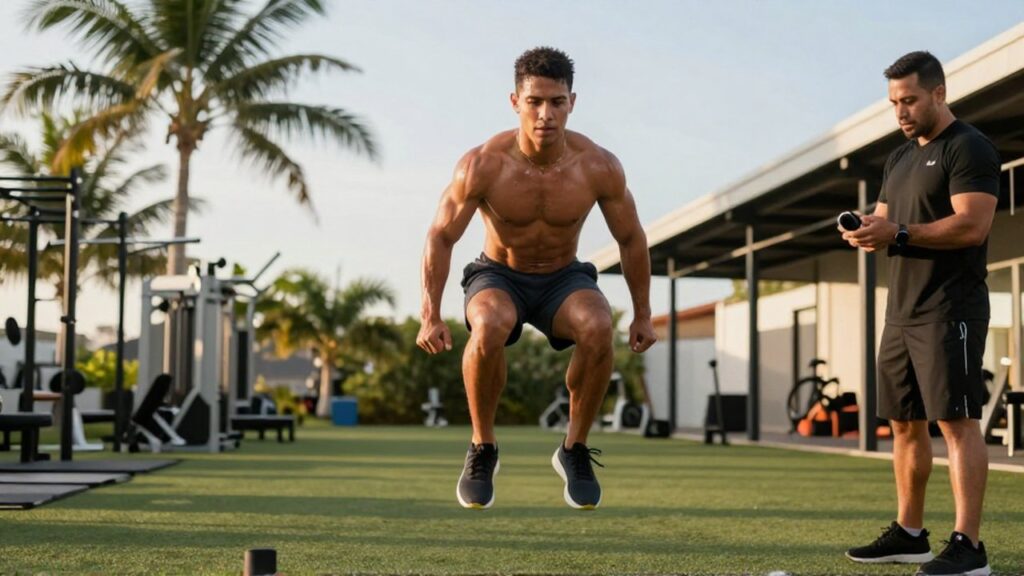
The evolution of physical preparation in the Dominican Republic is a journey from intuitive, talent-based training to highly sophisticated, scientific methods. For decades, the nation has been a global powerhouse in sports, particularly in baseball and volleyball, largely due to the raw athletic ability of its citizens. However, the transition from relying solely on natural gifts to implementing structured physiological training has been essential for maintaining international competitiveness.
Understanding this evolution matters because it explains how Dominican athletes have bridged the gap between amateur spirit and professional excellence. By studying how training methodologies have shifted from basic calisthenics to integrated sports science, we can appreciate the discipline and adaptability that define the modern Dominican athlete. This progression has not only improved individual performance but has also standardized the way sports are taught across the country.
The era of intuitive and natural training
In the early decades of Dominican sports history, physical preparation was characterized by a lack of formal infrastructure and scientific oversight. Training was largely intuitive, driven by the natural agility, speed, and explosive power found in the local population. Athletes often relied on playground games, street sports, and basic bodyweight exercises to maintain their conditioning.
During this period, the "training" was often synonymous with the sport itself. For instance, a baseball player would spend hours hitting or fielding, but rarely engaged in specific strength or mobility work designed to prevent injury or enhance specific muscle groups. While this approach cultivated incredible hand-eye coordination and instinctual movement, it lacked the systematic load management required for long-term professional careers. The focus was on repetition and volume rather than periodization or biomechanical efficiency.
The integration of modern sports science
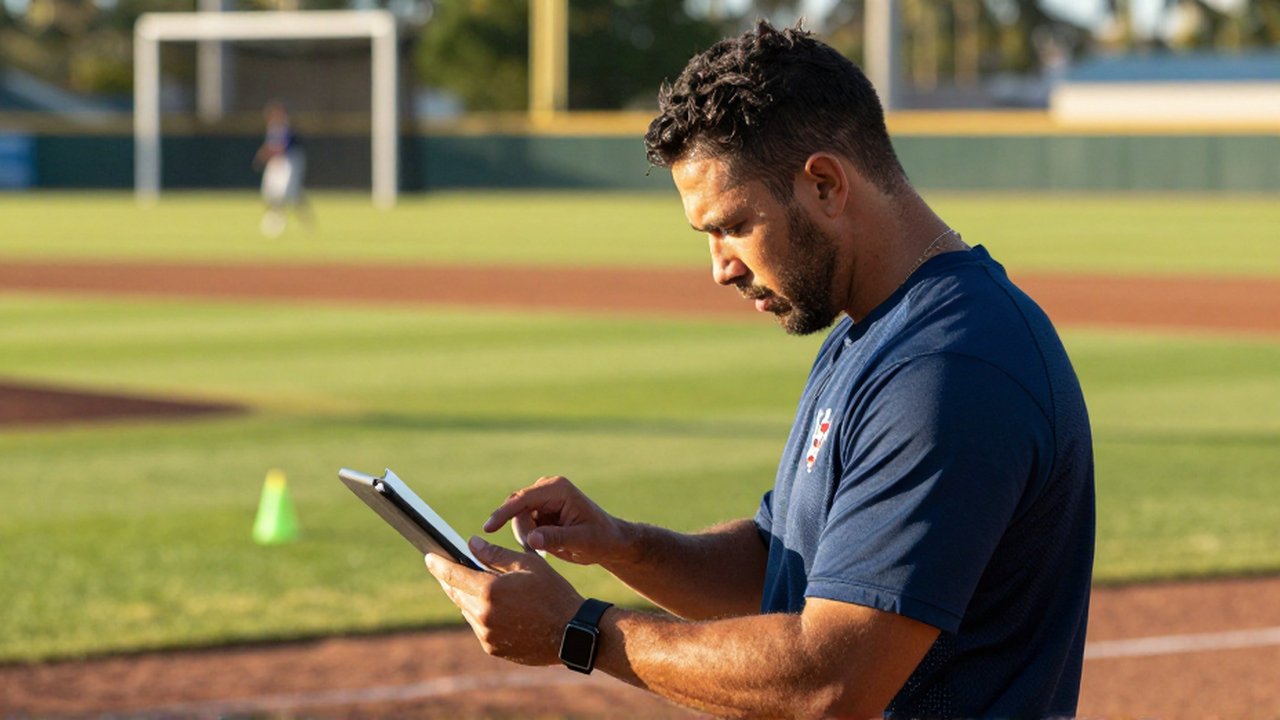
As the Dominican Republic became a more prominent player on the global stage, the limitations of purely intuitive training became apparent. To compete with nations that had long-established athletic programs, Dominican coaches and trainers began to integrate modern sports science into their regimens. This shift marked the transition from "playing the sport" to "training for the sport."
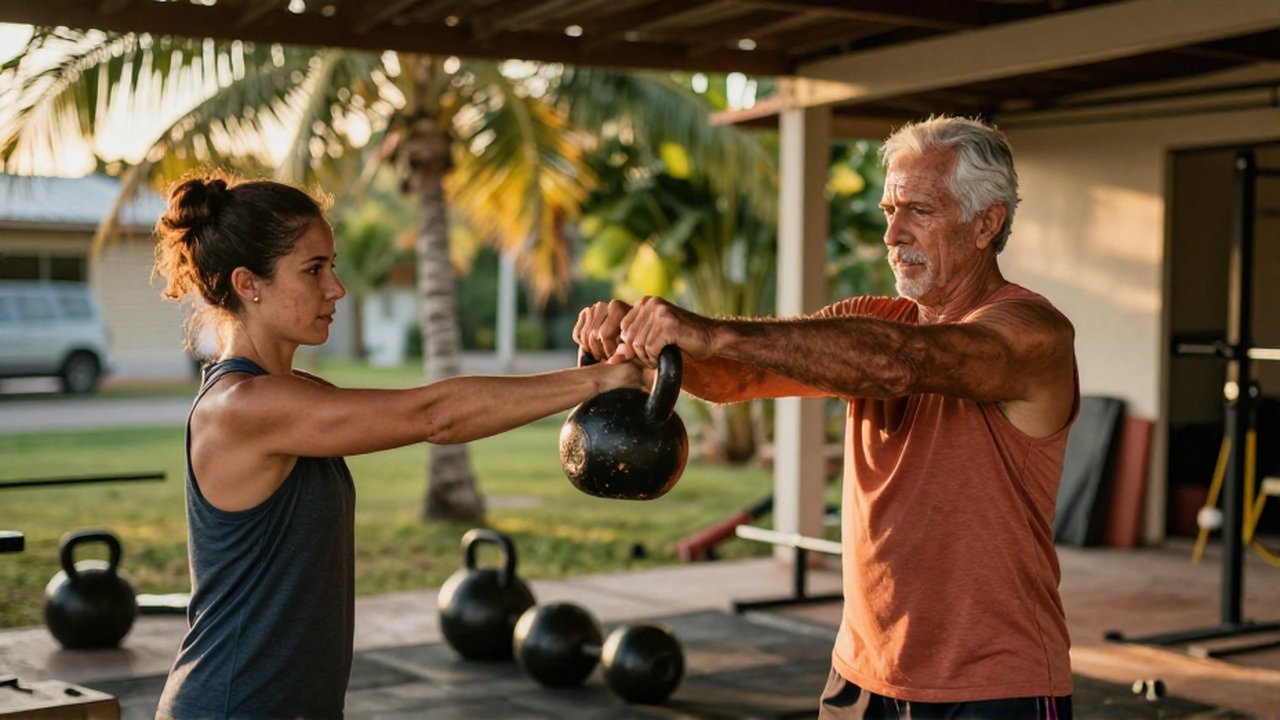
The introduction of specialized equipment, such as resistance bands, weighted balls, and advanced cardiovascular monitors, changed the landscape of physical preparation. Key changes included:
- Periodization: Coaches began dividing the training year into specific phases, such as the off-season for strength building and the pre-season for explosive power and sport-specific conditioning.
- Strength and Conditioning: There was a move toward targeted weightlifting programs designed to build functional strength that translates directly to the field or court.
- Injury Prevention: Understanding biomechanics allowed trainers to implement corrective exercises to address common issues like shoulder instability in pitchers or ankle mobility in volleyball players.
Technological advancements and data driven preparation
Today, physical preparation in the Dominican Republic has entered a digital era. The modern athlete no longer trains in a vacuum; every movement is measured, analyzed, and adjusted based on data. High-performance centers in the country now utilize technology that was once reserved for elite Olympic programs.
Tools such as video analysis software allow coaches to break down an athlete's mechanics in slow motion, identifying inefficient movements that could lead to injury or reduced performance. Furthermore, wearable technology helps monitor recovery, sleep patterns, and heart rate variability, ensuring that an athlete is not overtraining. This data-driven approach allows for a highly personalized training experience, where the workload is tailored to the unique physiological needs of the individual.
Comparison of training methodologies through time
| Feature | Traditional Era | Modern Era |
|---|---|---|
| Primary Focus | Volume and repetition | Quality, intensity, and efficiency |
| Methodology | Intuitive/Informal | Scientific/Data-driven |
| Injury Management | Reactive (treat after injury) | Proactive (preventative conditioning) |
| Equipment | Minimal/Basic | Specialized/High-tech |
| Goal | Sport-specific skill | Holistic physical development |
Benefits and remaining challenges
The evolution of these techniques has provided immense benefits, most notably the increased longevity of professional careers. Dominican athletes are now entering professional leagues with more robust physical foundations, allowing them to withstand the rigors of long seasons. Additionally, the professionalization of training has created a pathway for young athletes to be identified and developed through structured academies rather than just through chance.
However, challenges remain. While elite athletes have access to world-class preparation, there is still a disparity in access to these resources for grassroots and amateur athletes in rural areas. The ongoing mission for Dominican sports is to democratize this scientific knowledge, ensuring that the next generation of talent has the physical foundation necessary to succeed, regardless of their starting point.
Frequently asked questions
How has baseball training changed in the Dominican Republic? Baseball training has moved from high-repetition skill work to a dual approach that combines skill mastery with dedicated strength, mobility, and explosive power training to protect the arm and increase velocity.
Is scientific training necessary for natural athletes? Yes. While natural talent provides a head start, scientific training optimizes that talent, increases the athlete's ceiling, and, most importantly, provides the structural integrity needed to prevent career-ending injuries.
What is the biggest difference between old and new training methods? The biggest difference is the shift from "training by feeling" to "training by measurement." Modern methods rely on data and specific physiological goals rather than just working until exhaustion.
Leave a Reply