Benefits of wearing compression sleeves during training

Introduction
Compression sleeves are specialized garments designed to apply graduated pressure to specific muscle groups, such as the arms, legs, or calves. Often made from elastic materials like spandex and nylon, these sleeves are widely utilized by athletes ranging from professional baseball players to recreational runners. The primary purpose of wearing them is to support muscle tissue, improve circulation, and assist in the recovery process after intense physical exertion.
Using compression sleeves is most appropriate during active training sessions to minimize muscle oscillation or during post-workout periods to aid blood flow. They are particularly useful for individuals engaged in high-impact sports or repetitive movements that put significant strain on the limbs. By understanding how these garments function, athletes can better integrate them into their fitness routines to enhance performance and long-term physical preparedness.
How compression works on muscles
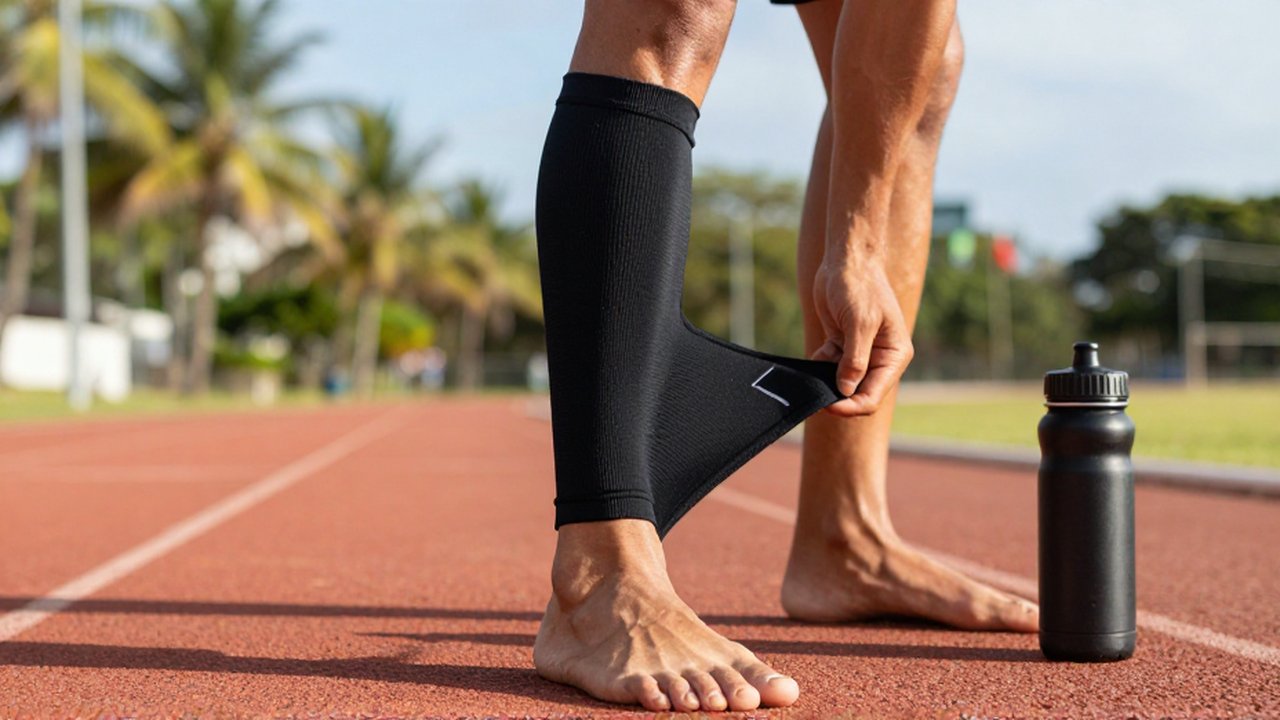
The core mechanism of a compression sleeve is the application of external pressure to the limb. This pressure is typically "graduated," meaning it is tighter at the extremities and slightly decreases as it moves toward the heart. This gradient is crucial because it helps facilitate the movement of blood and lymphatic fluid throughout the body.
When muscles contract and expand during movement, they create vibrations known as muscle oscillation. In high-impact activities like running or jumping, these vibrations can lead to micro-trauma in the muscle fibers. Compression sleeves provide a layer of stability that dampens these vibrations, potentially reducing the onset of fatigue and protecting the structural integrity of the muscle tissue during the session.
Main advantages for athletes
The use of compression gear offers several physiological and practical advantages that can impact a training regimen. While they are not a substitute for proper technique or nutrition, they serve as an effective supplemental tool.
- Improved circulation: By assisting venous return, compression helps move oxygenated blood back to the muscles and helps remove metabolic waste products.
- Reduced muscle soreness: Many users find that wearing sleeves post-training helps mitigate the symptoms of Delayed Onset Muscle Soreness (DOMS).
- Temperature regulation: The fabric often helps maintain a consistent muscle temperature, keeping the tissue warm and pliable during exercise.
- Enhanced proprioception: The sensation of the sleeve against the skin can increase an athlete's awareness of their limb position, which can aid in movement precision.
Choosing the right compression level
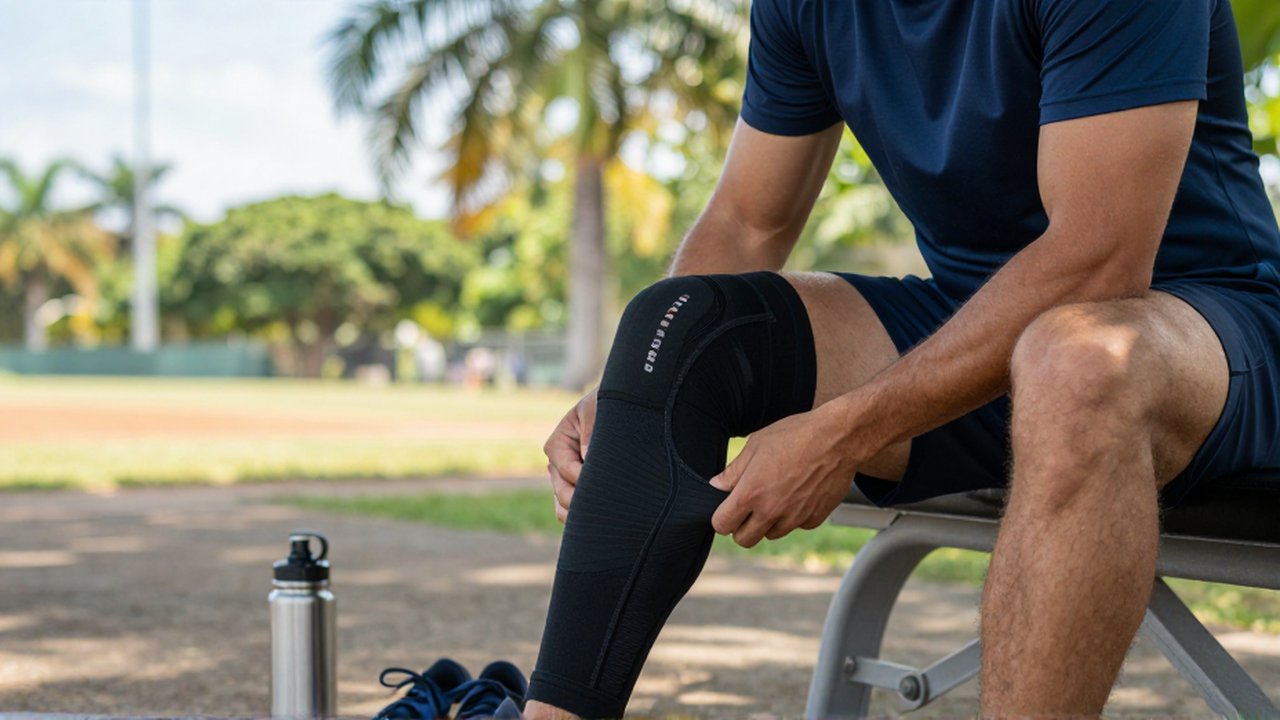
Selecting the appropriate equipment requires an understanding of compression grades. Not all sleeves are created equal, and using the wrong type can lead to discomfort or reduced effectiveness.
| Compression Type | Primary Use | Best Suited For |
|---|---|---|
| Light Compression | General comfort and mild support | Low-intensity activities or daily wear |
| Moderate Compression | Performance enhancement and stability | Standard training, running, and gym sessions |
| High/Medical Compression | Recovery and managing swelling | Post-injury rehabilitation or intensive recovery |
Decision criteria should always include the specific sport being played. For instance, a cyclist might prioritize calf sleeves to assist with repetitive pedaling motions, whereas a weightlifter might focus on elbow or wrist sleeves to provide joint stability during heavy lifts.
Common mistakes and limitations
While compression sleeves are beneficial, they are not a universal solution for all physical ailments. One frequent mistake is choosing a sleeve that is too tight. Excessive pressure can restrict blood flow rather than promote it, leading to numbness, tingling, or increased swelling. It is essential to find a fit that feels secure without being painful.
Furthermore, relying solely on compression to prevent injury is a misconception. Compression is a support tool, not a protective shield against improper form or overtraining. It should be viewed as part of a holistic approach to training that includes strength conditioning, mobility work, and adequate rest. Users should also be aware that sleeves are not a replacement for medical treatments if a specific injury is present; in such cases, professional medical advice is necessary.
Frequently asked questions
Can I wear compression sleeves during sleep? It depends on the type of sleeve. While some recovery sleeves are designed for rest, high-performance training sleeves may be too restrictive for sleeping. If using them for recovery, ensure they are intended for non-active wear to avoid discomfort.
Do compression sleeves help with injury prevention? They can help reduce muscle oscillation and improve circulation, which may support overall muscle health. However, they cannot prevent injuries caused by poor technique, lack of strength, or extreme impact.
How often should I replace my compression gear? Elasticity is key to their function. Once the fabric begins to lose its "snap" or ability to provide consistent pressure, the sleeves should be replaced to ensure they remain effective.
Should I wear them during warm-ups? Yes, wearing them during a warm-up can help increase local blood flow and keep the muscles warm, which can prepare the body for more intense physical activity.
Leave a Reply