What are the major historical volleyball milestones in DR
Introduction
Volleyball in the Dominican Republic has evolved from a recreational pastime into a significant pillar of the nation's sporting identity. Understanding the historical milestones of this sport is essential for grasping how the Dominican Republic transitioned from a regional participant to a global powerhouse, particularly in women's volleyball. This evolution reflects the growth of national infrastructure, the professionalization of training, and the emergence of legendary talents.
Tracing these milestones allows enthusiasts and athletes to appreciate the discipline and strategic development required to compete at the highest levels. By examining the key eras of growth, one can see how specific victories and the establishment of institutional support systems paved the way for the current era of Dominican dominance in international competitions.
Origins and the establishment of national programs
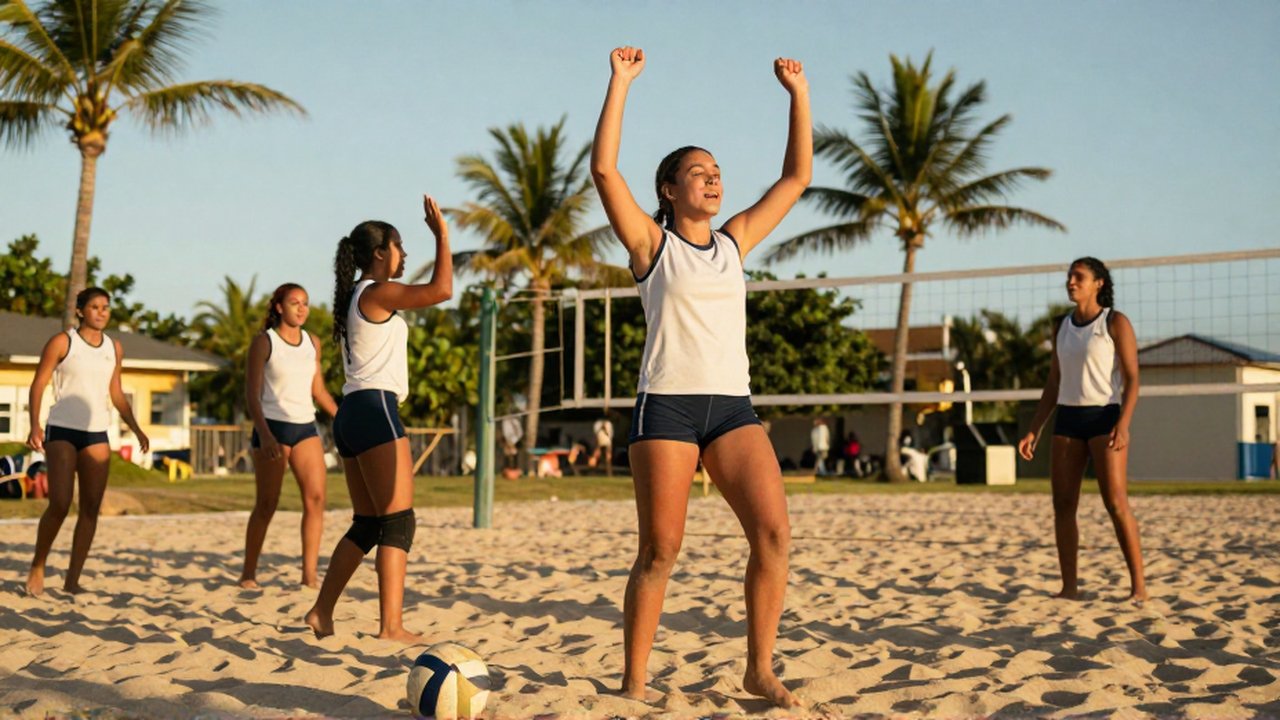
The roots of volleyball in the Dominican Republic are deeply intertwined with the expansion of organized sports in the Caribbean during the mid-20th century. While baseball has historically occupied the dominant cultural space, volleyball found a niche in schools and community centers, providing an accessible sport for both men and women.
The initial phase of development was characterized by amateur competitions and the slow formalization of national governing bodies. During this period, the focus was primarily on domestic organization rather than international contention. However, the groundwork laid by early enthusiasts and educators ensured that the sport had a structural foundation when more formal training programs began to emerge in the later decades.
The rise of women's volleyball on the international stage
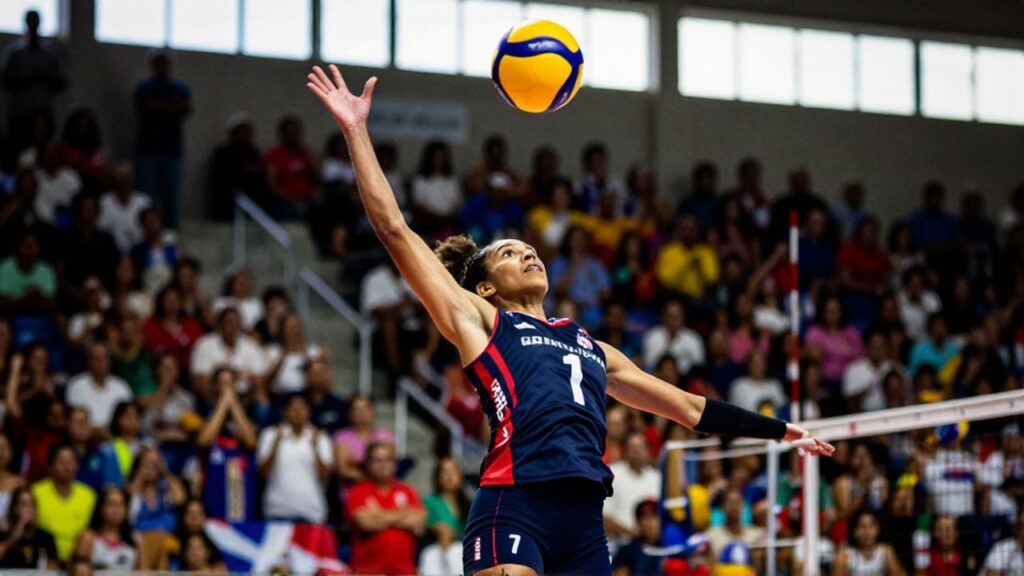
Perhaps the most significant milestone in the history of Dominican volleyball is the meteoric rise of the women's national team, often referred to as "Las Reinas del Caribe" (Queens of the Caribbean). This era marked a fundamental shift in the country's sporting prestige.
The transition from a competitive regional team to a consistent contender in major tournaments like the Pan American Games and the FIVB World Championships was not accidental. It was the result of several key developments:
- Institutional Investment: Increased focus from national sports authorities to fund specialized training.
- Talent Identification: The implementation of grassroots programs designed to spot athletic talent at a young age.
- International Exposure: Frequent participation in global tournaments that allowed Dominican athletes to adapt to the speed and power of world-class play.
These factors combined to create a generation of players who could not only compete with but also defeat traditional volleyball giants, securing the Dominican Republic's place in the top tiers of the global rankings.
Impact of regional championships and Olympic participation

Success in regional competitions served as the catalyst for global recognition. Winning titles in Central American and Caribbean games and performing strongly in Pan American competitions provided the momentum needed for Olympic aspirations.
The milestone of consistent Olympic qualification represents the pinnacle of the sport's development in the country. These appearances have done more than just add medals to the trophy case; they have served as a proof of concept for the entire national sports system. Each Olympic cycle has reinforced the culture of excellence, inspiring new generations of girls to pursue volleyball as a professional career path.
Legacy and future of the sport in the country
The historical journey of volleyball in the Dominican Republic has created a self-sustaining cycle of success. The milestones reached in the past decade have transformed the sport into a source of national pride and a legitimate professional avenue for athletes.
Modern milestones now involve the expansion of professional leagues and the continued refinement of high-performance training centers. The legacy left by the pioneers of the sport is visible in the sophisticated tactical play and physical conditioning seen in current national rosters. As the country continues to invest in sports infrastructure, the history of Dominican volleyball remains a story of continuous upward mobility and international respect.
Frequently asked questions
When did volleyball become a major sport in the Dominican Republic? While played for decades, it rose to national prominence primarily through the success and visibility of the women's national team in international competitions starting in the late 20th and early 21st centuries.
What is the nickname of the Dominican women's national volleyball team? They are widely known as "Las Reinas del Caribe" (Queens of the Caribbean) due to their dominance in regional and international play.
How has the development of the sport affected the country? The success of volleyball has diversified the Dominican Republic's sporting landscape, providing professional opportunities for women and elevating the country's status in the global sporting community.
What is the primary driver of volleyball success in the DR? The combination of strong institutional support, specialized training programs for youth, and the inspiration provided by successful veteran players has been central to the sport's growth.
Leave a Reply