How to clean volleyball shoes to maintain grip

Introduction
Volleyball is a sport characterized by explosive lateral movements, sudden stops, and frequent jumps. To perform these actions safely and effectively, players rely heavily on the traction provided by the outsoles of their specialized footwear. Over time, dust, floor wax, and sweat accumulate on the bottom of the shoes, creating a slick layer that significantly reduces grip. This loss of traction can lead to slips, compromised agility, and an increased risk of ankle or knee injuries.
Regularly cleaning your volleyball shoes is not just about aesthetics; it is a fundamental part of equipment maintenance. Keeping the gum rubber or specialized traction patterns clear of debris ensures that the shoe interacts correctly with the court surface. By implementing a consistent cleaning routine, players can extend the lifespan of their footwear and maintain the high level of performance required during intense matches or training sessions.
Why grip loss affects performance
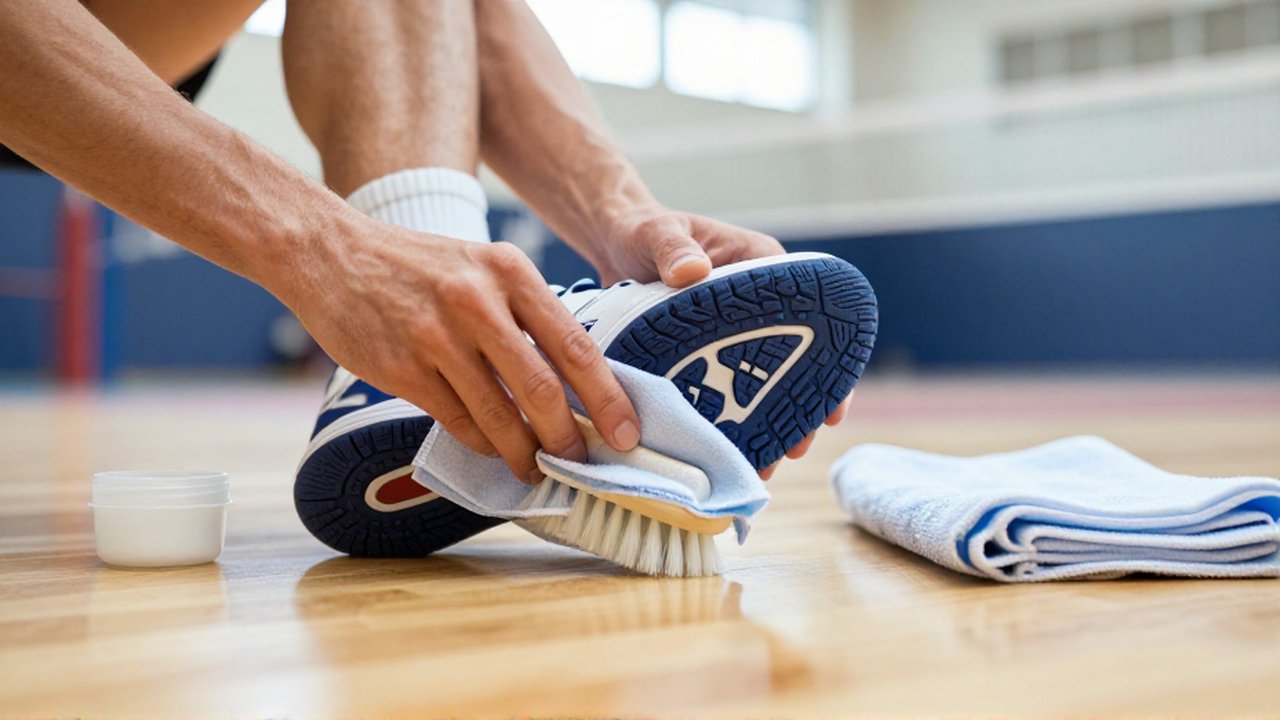
The connection between the shoe and the court is the foundation of every volleyball movement. When the tread of a volleyball shoe becomes clogged with fine dust or smoothed over by grime, the coefficient of friction decreases. This means that when a player attempts a quick lateral shuffle to defend a ball, their feet may slide rather than bite into the floor.
Poor grip affects more than just control; it influences reaction time. If a player cannot trust their footing, they will subconsciously hesitate during explosive movements. Furthermore, maintaining clean soles helps prevent the buildup of oils and chemicals that can actually degrade the rubber material over time, making the shoes permanently slippery.
Essential tools for cleaning volleyball shoes
To clean your footwear without damaging the specialized materials used in athletic shoes, you should gather specific supplies. Using harsh chemicals or abrasive tools can ruin the synthetic upper or make the sole too smooth, which is counterproductive.
| Tool | Purpose |
|---|---|
| Soft-bristle brush | Removing loose dirt and dust from the grooves. |
| Microfiber cloth | Wiping away moisture and cleaning the upper material. |
| Mild detergent | Breaking down stubborn grime and sweat stains. |
| Warm water | Dissolving dirt during the cleaning process. |
| Small sponge | Cleaning the midsole and textured areas. |
Avoid using stiff wire brushes or heavy-duty scrubbing pads, as these can fray the mesh or tear the synthetic leather of the shoe, compromising its structural integrity.
Step by step cleaning process
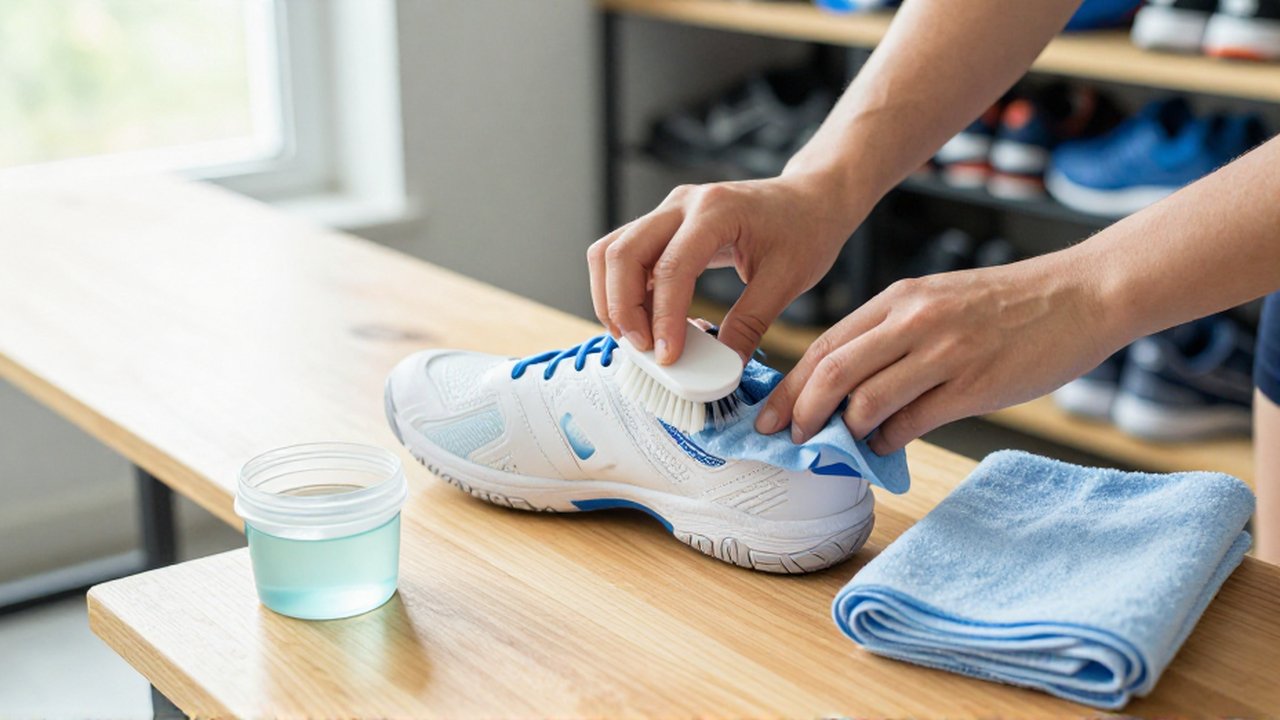
Following a structured approach ensures that you clean the shoes thoroughly without over-saturating the materials, which could lead to odors or shape distortion.
First, remove the laces and the insoles. Laces can be washed separately in a mesh bag with mild soap, and insoles should be wiped down or air-dried to prevent bacteria buildup. This step also allows you to reach the tongue area of the shoe, where sweat often accumulates.
Second, use a dry, soft-bristle brush to remove as much loose dust and debris from the outsoles as possible. Focus on the grooves and patterns where dirt tends to hide. Once the loose material is gone, lightly dampen a cloth with warm water and a small amount of mild detergent.
Third, scrub the outsoles using the damp cloth or a sponge. If the grip is particularly poor due to floor wax buildup, a more focused scrubbing of the rubber may be required. Be careful to clean the sides of the sole as well, as dirt often accumulates at the junction between the midsole and the outsole.
Finally, clean the upper part of the shoe using a microfiber cloth and a very small amount of soapy water. Avoid soaking the shoe. Once finished, pat the shoes dry with a clean towel and allow them to air dry in a well-ventilated area away from direct sunlight or heat sources, such as radiators, which can warp the glue and the shape of the shoe.
Common mistakes to avoid during maintenance
One of the most frequent errors is using a washing machine to clean volleyball shoes. While it may seem convenient, the agitation and high water volume can weaken the adhesives that hold the sole to the upper, eventually causing the shoe to fall apart. Additionally, the heat from a dryer can shrink the materials or cause the cushioning to lose its effectiveness.
Another mistake is ignoring the importance of drying time. If you wear shoes that are still damp inside, you risk developing fungal issues and unpleasant odors that are difficult to remove. Lastly, avoid using bleach or strong solvents. These chemicals can dry out the rubber outsoles, making them brittle and significantly reducing their ability to provide grip.
Frequently asked questions
How often should I clean my volleyball shoes? For regular players, a quick wipe of the soles after every session is recommended to remove surface dust. A deeper cleaning of the entire shoe should be performed every few weeks or when significant grime becomes visible.
Can I use alcohol to clean the soles for better grip? While a small amount of isopropyl alcohol can sometimes remove oily residues, it can also dry out and degrade the rubber if used frequently. It is safer to stick to mild soap and water to maintain the rubber's integrity.
What should I do if my shoes still feel slippery after cleaning? If the soles are clean but still lack grip, the rubber may have reached the end of its functional lifespan. When the rubber hardens or the tread is physically worn down, replacement is the only effective solution.
Will cleaning the shoes affect the cushioning? Cleaning the exterior and the soles will not affect the internal cushioning, provided that you do not soak the shoes excessively or use high heat to dry them.
Leave a Reply