How to choose running shoes for tropical climates

Introduction
Running in tropical environments presents a unique set of challenges that differ significantly from running in temperate or cold climates. High humidity, intense solar radiation, and sudden heavy rainfall can all impact your comfort, skin health, and overall performance. Choosing the right footwear is not just about cushioning or style; it is about managing moisture and temperature to prevent discomfort and injury.
Selecting specialized running shoes for these conditions helps regulate foot temperature and prevents the buildup of sweat, which can lead to blisters or fungal infections. When you understand how materials and designs respond to heat and moisture, you can make an informed decision that extends the life of your gear and improves your training experience. This guide explores the essential features to look for when preparing for tropical runs.
Importance of breathability and ventilation
In tropical regions, the air is often saturated with moisture, meaning sweat does not evaporate as quickly as it does in dry climates. This creates a microclimate inside your shoe that can become hot and damp. To combat this, the most critical feature is breathability. You should look for shoes with engineered mesh uppers that allow for constant airflow.
A well-ventilated shoe helps dissipate heat away from the foot, which is vital for maintaining a stable body temperature during long runs. When air can move through the upper material, it facilitates drying, reducing the risk of skin maceration—a condition where the skin becomes soft and white due to prolonged exposure to moisture. High-quality mesh provides a balance between structural support and the necessary openings for ventilation.
Managing moisture and water resistance
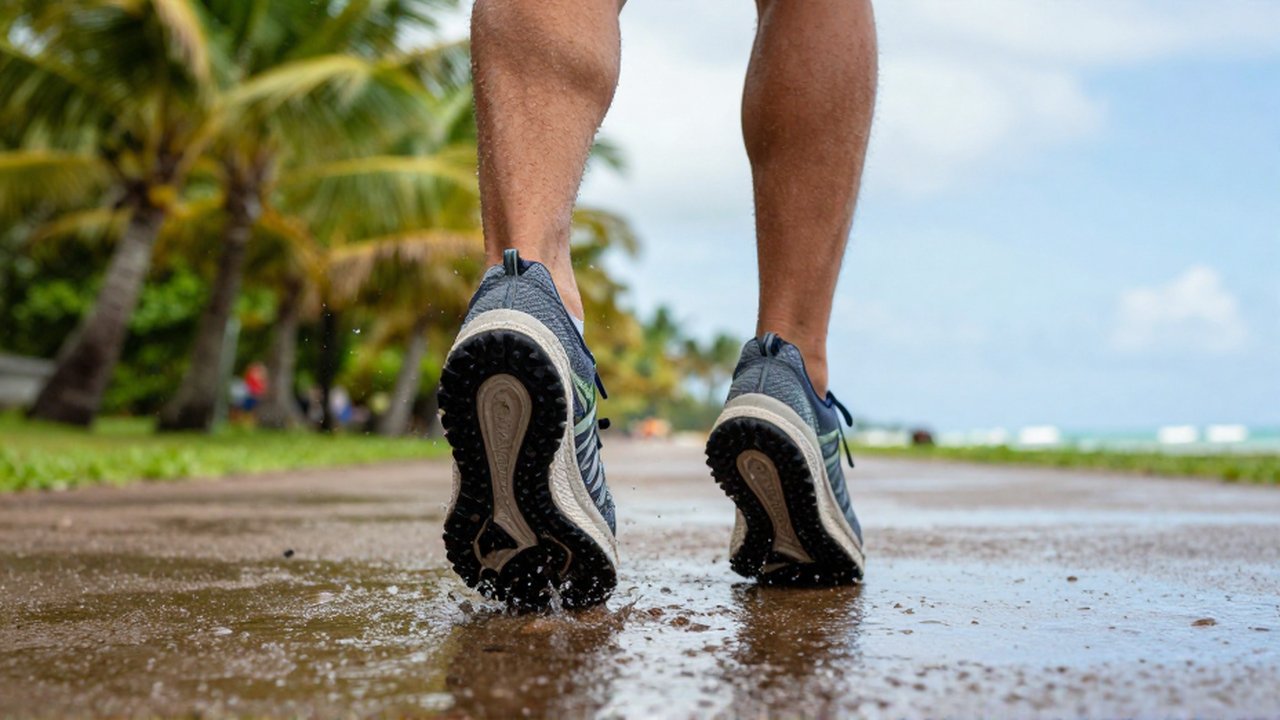
While breathability is essential for sweat, tropical climates also bring the unpredictability of rain. This creates a dilemma: do you choose a waterproof shoe or a highly breathable one? For most tropical runners, a highly breathable, non-waterproof shoe is often preferable. Waterproof membranes, while excellent for keeping rain out, often act as barriers to sweat, effectively trapping heat and moisture inside the shoe.
If you frequently run during rain showers, consider the following approach:
- Engineered Mesh: Prioritizes airflow and quick drying times. Even if the shoe gets wet from rain, the thin materials will dry much faster once you stop running.
- Drainage Systems: Some technical running shoes feature small drainage ports in the midsole to allow water to escape quickly.
- Synthetic Materials: Avoid leather or heavy, thick textiles. Synthetic materials are generally more resistant to water absorption and do not gain excessive weight when wet.
Impact of humidity on foot health
High humidity levels combined with heat can lead to several physiological issues for runners. The most common are friction-induced blisters and fungal infections such as athlete's foot. When shoes become damp and heavy, the friction between your skin and the sock increases significantly.
To mitigate these risks, pair your footwear choices with appropriate socks. Avoid 100% cotton socks, as they absorb moisture and hold it against the skin. Instead, use moisture-wicking synthetic or merino wool blends. These materials work in tandem with your breathable running shoes to move moisture away from the skin, keeping the foot as dry as possible despite the external humidity.
Footwear durability in humid environments
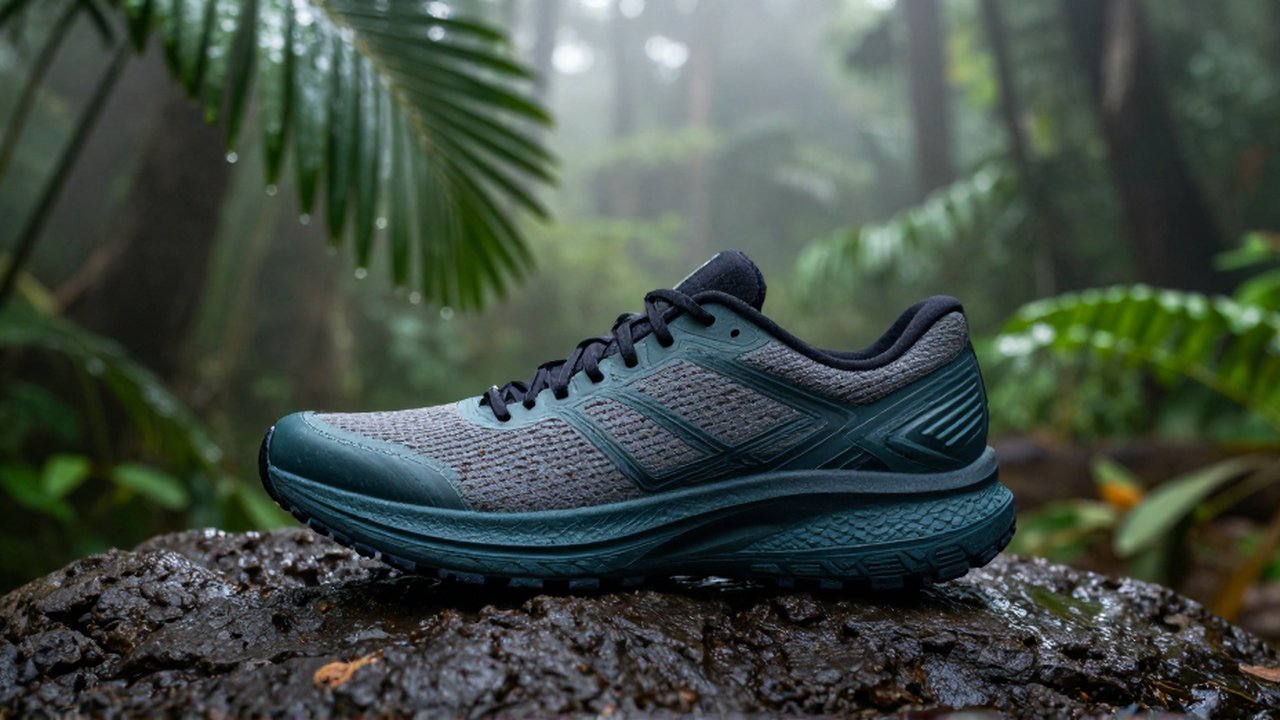
The tropical climate can affect the longevity of your gear. Constant exposure to moisture and salt from sweat can degrade certain materials faster than in dry climates. It is important to inspect your shoes regularly for signs of breakdown in the adhesives or the midsole foam.
| Feature | Tropical Recommendation | Reason |
|---|---|---|
| Upper Material | Open-cell engineered mesh | Maximizes airflow and heat dissipation |
| Midsole | Synthetic EVA or similar foams | Resists degradation from moisture |
| Outsole | High-traction rubber | Provides grip on wet, slippery surfaces |
| Lacing System | Standard synthetic laces | Dries quickly and resists rot |
Essential criteria for selection
When you are at the store or browsing online, use these specific criteria to evaluate your options:
- Weight: Wet shoes become significantly heavier. Look for lightweight construction to minimize the extra effort required when the materials absorb any moisture.
- Traction: Tropical weather often leads to wet pavement or muddy trails. Ensure the outsole has a multidirectional tread pattern to prevent slipping on slick surfaces.
- Fit and Volume: Feet tend to swell more in heat and humidity. Ensure there is enough room in the toe box to allow for natural expansion without causing constriction.
- Quick-dry capabilities: Test the feel of the material. If it feels thick or "plasticky," it likely won't dry quickly after a heavy sweat or a rain shower.
Frequently asked questions
Should I buy waterproof shoes for tropical running? Generally, no. While waterproof shoes keep rain out, they also trap sweat inside. In tropical heat, this can lead to overheating and discomfort. Breathable, quick-drying shoes are usually a better choice for most runners.
How often should I replace my running shoes in a humid climate? Because moisture can affect the integrity of the cushioning and adhesives, you should inspect your shoes more frequently. If you notice the foam feeling "dead" or the upper material losing its shape, it is time for a new pair.
Can humidity affect the grip of my shoes? Yes, if the outsole is worn down. In tropical climates, you will often encounter wet surfaces. It is vital to ensure your shoe tread is not worn smooth, as maintaining grip is a safety priority on wet tropical terrain.
Does the type of sock matter as much as the shoe? Absolutely. The shoe and the sock work as a system. Even the most breathable shoe will fail to keep you comfortable if you wear cotton socks that trap moisture against your skin.
Leave a Reply