Choosing the right tennis rackets for beginners

Introduction
Starting your journey in tennis is an exciting endeavor, but the technicality of the equipment can often feel overwhelming. Selecting the right tennis racket is a foundational step that determines how easily you can learn proper technique, control the ball, and prevent unnecessary physical strain. A well-chosen racket acts as an extension of your arm, helping you transition from basic swings to consistent rallies.
Choosing the wrong equipment can lead to frustration, as a racket that is too heavy or has too small a hitting surface can make the sport feel much harder than it actually is. For beginners, the goal is not to find the most advanced professional gear, but rather to find a tool that offers stability, forgiveness, and ease of use. This guide will help you navigate the technical specifications so you can focus on what truly matters: enjoying the game.
Understanding racket weight and balance
The weight of a tennis racket is one of the most critical factors for a newcomer. In the world of tennis, weight is typically measured in grams (for metric users) or ounces (for imperial users). For beginners, a lighter racket is generally preferred because it allows for faster swing speeds and reduces the risk of wrist and elbow fatigue during long practice sessions.
If a racket is too heavy, you may struggle to maneuver it through the air, which can lead to poor form and potential injury. Conversely, a racket that is too light might feel unstable when the ball hits the strings, causing the racket to twist in your hand. Most beginner rackets fall into the "lightweight" or "mid-weight" categories, providing a balance between maneuverability and enough substance to feel stable during contact.
Balance refers to how the weight is distributed along the length of the racket. A "head-heavy" racket has more weight toward the top, which can provide more power but is harder to swing quickly. A "head-light" racket is easier to move but offers less natural power. Beginners often benefit from a slightly head-heavy balance to help generate power while they are still developing their full body mechanics.
The importance of head size and sweet spot
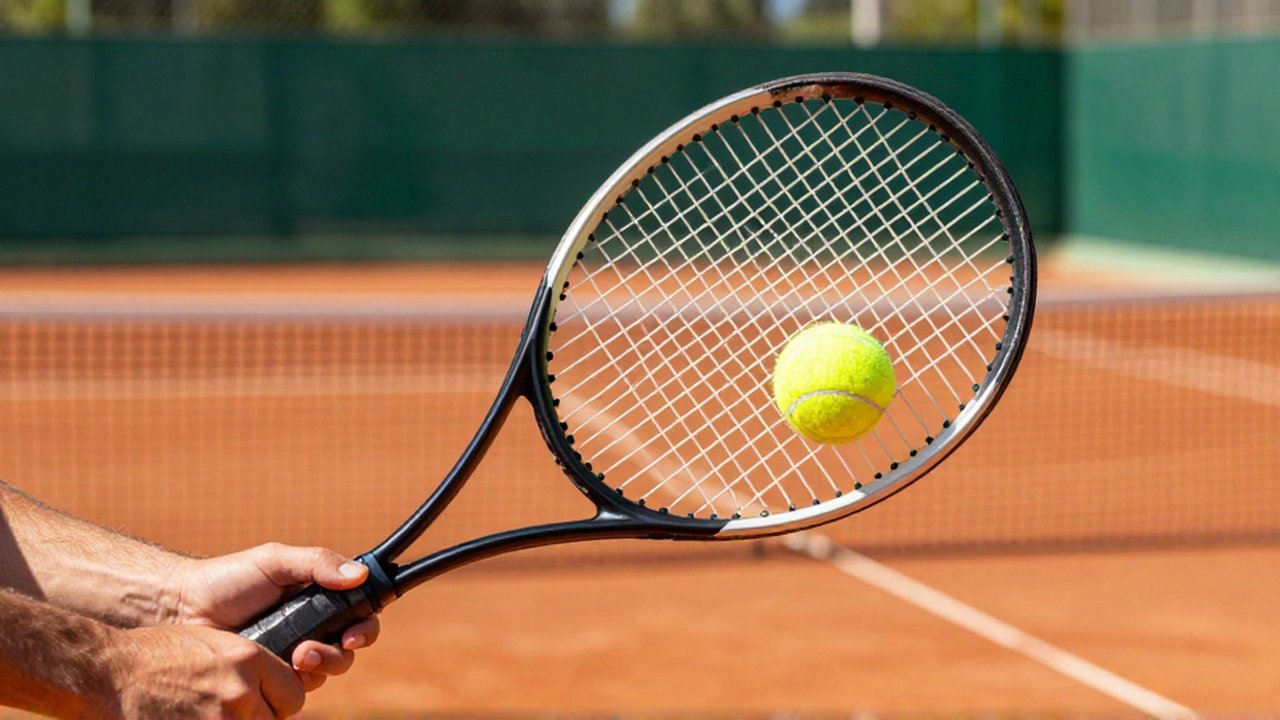
The head size refers to the total area of the string bed. For beginners, a larger head size is almost always the better choice. Large-headed rackets, often categorized as "oversized," provide a much larger "sweet spot"—the area on the strings where the ball rebounds with the most power and control.
| Head Size Category | Impact on Play | Best For |
|---|---|---|
| Oversized | Maximum forgiveness and power | Beginners and recreational players |
| Midplus | Balanced control and power | Intermediate players |
| Midsize | High precision and control | Advanced players with fast swings |
When you are learning, your ability to hit the ball exactly in the center of the racket will be inconsistent. An oversized racket compensates for these off-center hits, preventing the racket from vibrating excessively and helping the ball stay in play. While professional players prefer smaller heads for pinpoint accuracy, a beginner needs the "forgiveness" that a larger surface area provides.
Grip size and hand comfort
If the grip of the racket is too small, your hand will work too hard to stabilize it, leading to tension and fatigue. If the grip is too large, you will struggle to snap your wrist, which ruins your ability to generate spin and control.
To find a suitable grip size, you can use a few simple tests:
- The Finger Test: Hold the racket with a standard shakehand grip. There should be just enough space between your fingertips and the palm of your hand to fit your other hand's index finger.
- Pressure Check: If you find yourself squeezing the handle tightly just to keep the racket from twisting, the grip is likely too small.
- Tension Check: If you cannot easily move your fingers around the handle, the grip is likely too large.
Remember that grip size can be easily adjusted with "overgrips," which are thin tapes wrapped around the handle. It is much easier to make a small grip larger than it is to make a large grip smaller.
String tension and material considerations
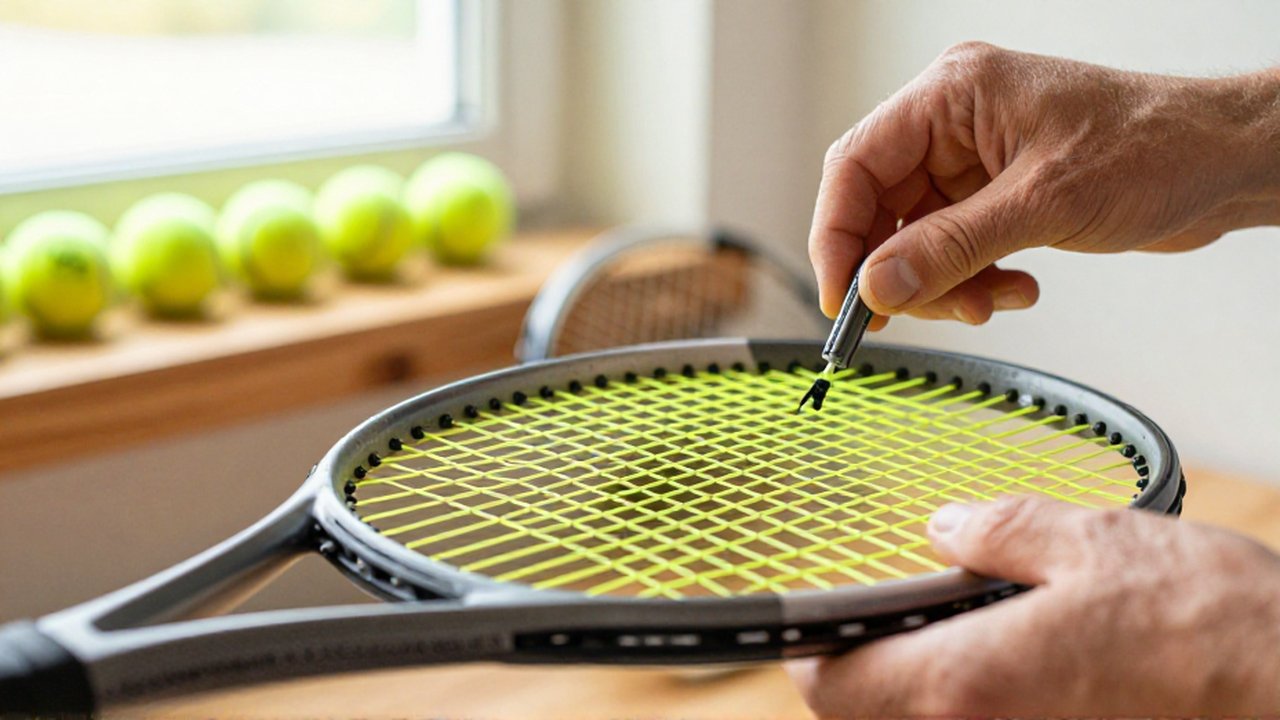
While the racket frame is the most visible part of the equipment, the strings are what actually interact with the ball. Beginners should look for a medium string tension. High tension makes the string bed feel like a board, offering great control but requiring a lot of strength to generate power. Low tension creates a "trampoline effect," which helps launch the ball with less effort.
For most beginners, a medium tension provides a helpful balance of power and feedback. Additionally, avoid overly stiff string materials initially. A slightly more flexible string bed will be more comfortable on your arm, reducing the impact of the ball hitting the racket.
Common mistakes when buying gear
One of the most frequent mistakes beginners make is buying a professional-level racket because it looks impressive. Professional rackets are designed for players with very fast swing speeds and perfect technique; using one as a beginner can lead to wrist injuries and a lack of ball control.
Another error is focusing solely on brand names rather than technical specifications. A high-end brand name does not guarantee that the racket's weight, head size, or balance is appropriate for your current skill level. Always prioritize the physical dimensions and weight over the label on the frame.
Frequently asked questions
Can I use an old racket from a friend? It is possible, provided the racket is not too heavy or damaged. However, if the racket is a model designed for advanced players, you may find it more difficult to learn the basics effectively.
How often should I change my racket grips? As you play, sweat and dirt will break down the material. It is a good practice to replace your overgrip every few weeks or whenever it feels slippery or loses its texture.
Is it better to buy a set or just a racket? For a true beginner, investing in a quality racket is the priority. While sets including balls and bags are convenient, your performance and comfort will depend much more on the specific characteristics of the racket itself.
Leave a Reply