How to incorporate flexibility into training plans
Introduction
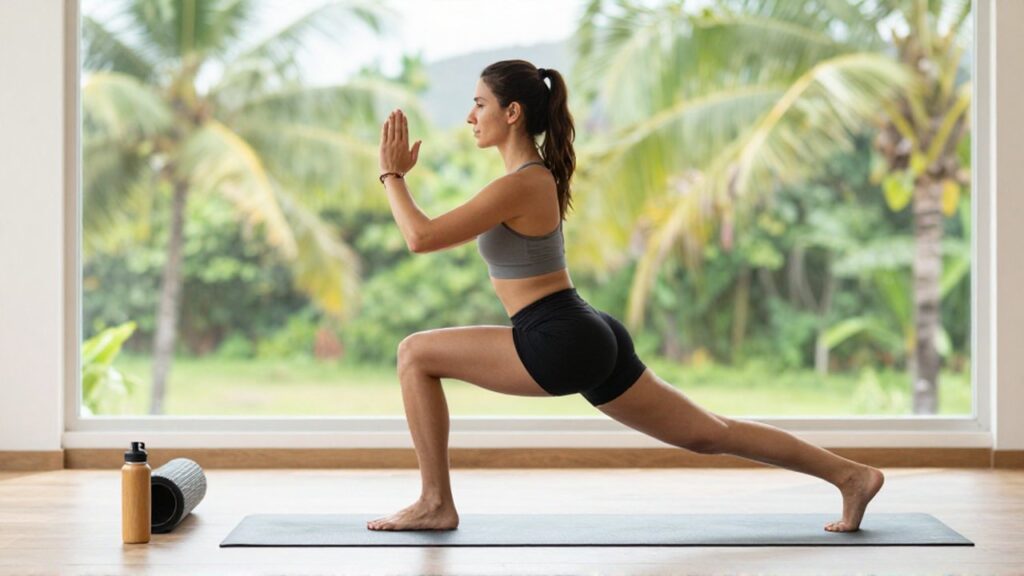
Flexibility training involves performing specific movements or stretches designed to increase the range of motion around your joints and lengthen your muscles. Incorporating these exercises into a structured training plan is essential for maintaining functional movement, improving athletic performance, and reducing the risk of injury. When muscles are supple and joints move freely, the body can execute complex patterns more efficiently, allowing for greater power output and better coordination.
Integrating mobility work is most effective when it is treated as a core component of a fitness routine rather than an afterthought. It should be applied strategically throughout a session—using different types of stretching at different times—to prepare the body for exertion and aid in recovery afterward. A well-planned flexibility protocol ensures that your muscles do not become chronically tight or imbalanced due to repetitive strength or cardiovascular training.
Benefits of regular flexibility work

A structured approach to flexibility offers several physiological and performance-based advantages. By improving the elasticity of soft tissues, you facilitate smoother transitions between different movement patterns, which is vital for sports like baseball or volleyball where explosive movements are required.
Regularly working on your range of motion helps in several key areas:
- Injury Prevention: Supple muscles are less likely to suffer from strains or tears when subjected to sudden, intense movements.
- Improved Posture: Targeted stretching can correct muscle imbalances that lead to poor alignment and chronic pain.
- Enhanced Performance: Greater joint mobility allows for deeper squats, longer strides in running, and more efficient throwing mechanics.
- Faster Recovery: Moving through a full range of motion can help alleviate muscle tension following intense hypertrophy or strength sessions.
Timing and types of stretching techniques
To incorporate flexibility effectively, you must distinguish between different stretching modalities and apply them at the correct moments in your workout. Using the wrong type of stretch at the wrong time can actually decrease performance or increase the risk of injury.
Dynamic Stretching for Warm-ups Dynamic stretching involves active movements that take your joints through a full range of motion without holding a position. This should be done before your main training session. Examples include leg swings, arm circles, or walking lunges. These movements increase blood flow, raise core temperature, and prepare the nervous system for upcoming activity.
Static Stretching for Cool-downs Static stretching involves reaching a position and holding it for a set duration, typically between 20 and 60 seconds. This is most effective after a workout when the muscles are warm and pliable. Static stretching helps to gradually return the muscles to their resting length and promotes relaxation. Performing intense static stretching on "cold" muscles before a high-intensity session can potentially reduce power output.
PNF and Active Isolated Stretching Proprioceptive Neuromuscular Facilitation (PNF) is a more advanced technique that involves contracting and relaxing the muscle group being stretched. This is often done with a partner and is highly effective for increasing rapid gains in range of motion.
Steps to integrate mobility into your routine
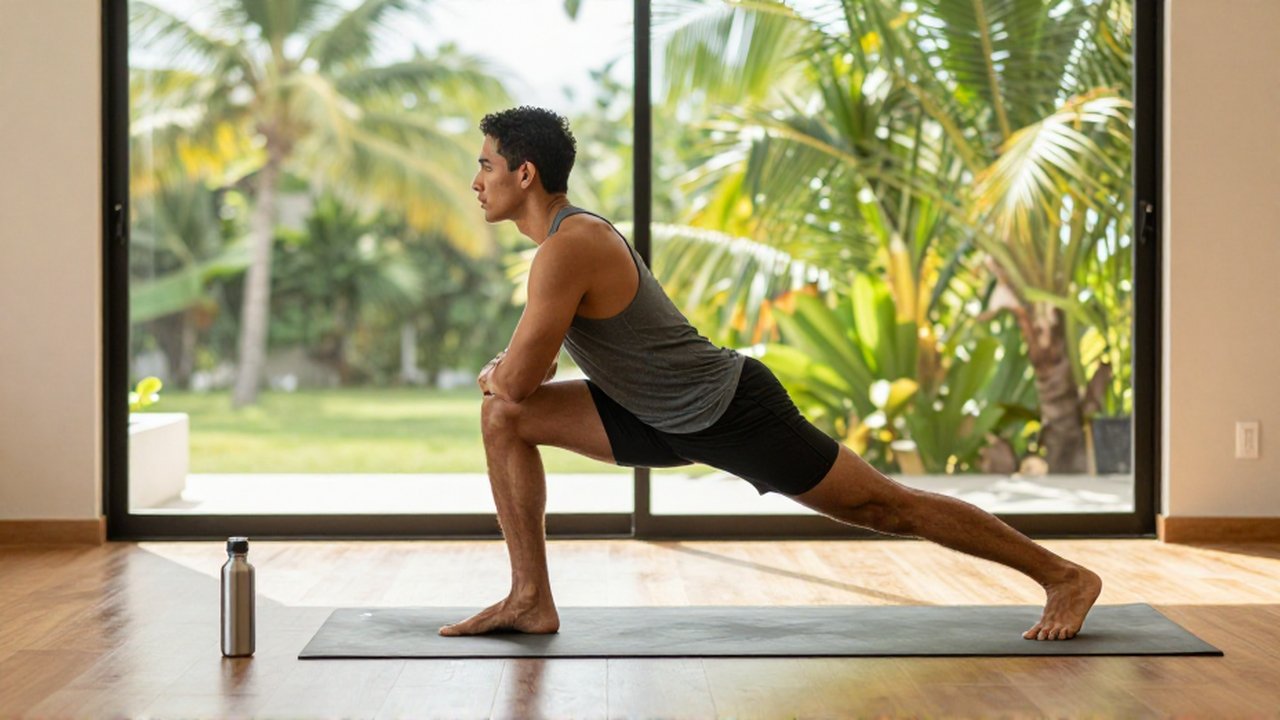
Creating a sustainable plan requires a systematic approach. Rather than trying to stretch every muscle every day, focus on a structured integration that complements your existing goals.
- Assess your current limitations: Identify which muscle groups feel tight or which movements feel restricted. For runners, this might be the hip flexors; for weightlifters, it might be the thoracic spine or ankles.
- Create a pre-workout dynamic sequence: Select 5 to 10 dynamic movements that specifically mimic the patterns of your upcoming workout. If you are training legs, focus on hip and ankle mobility.
- Dedicate specific blocks to static stretching: Set aside 10 to 15 minutes at the end of your session for deep, slow stretches. Focus on the areas worked during the session and the areas identified as tight during your assessment.
- Schedule dedicated mobility days: If your primary training (strength or cardio) is very intense, consider one or two days a week where the primary focus is purely on deep flexibility and restorative movement.
Common mistakes to avoid
Many individuals fail to see progress in flexibility because they approach it with incorrect intensity or frequency. One frequent error is pushing into pain. Stretching should feel like tension or a mild discomfort, but it should never cause sharp or stabbing sensations. If you feel pain, you are likely forcing the tissue beyond its current capacity, which can trigger a protective contraction that makes the muscle even tighter.
Another common mistake is inconsistency. Flexibility is a "use it or lose it" skill. If you only stretch once a week, your body will struggle to retain the new range of motion. Furthermore, breathing is often neglected. Holding your breath during a stretch creates internal tension; instead, use slow, deep breaths to signal to your nervous system that it is safe to relax into the movement.
Frequently asked questions
How long should I hold a static stretch? For general flexibility and recovery, holding a stretch for 30 to 60 seconds is typically recommended. This allows the muscle fibers and the nervous system enough time to relax into the new length.
Can stretching help with muscle soreness? While light movement and gentle stretching can improve circulation and help you feel less "stiff" after a workout, they are not a cure for delayed onset muscle soreness (DOMS). Recovery is best managed through a combination of nutrition, sleep, and active recovery.
Does stretching make muscles weaker? Prolonged, intense static stretching immediately before an explosive activity (like sprinting or heavy lifting) may temporarily reduce muscle power. However, if performed as part of a cool-down or on dedicated days, it does not negatively impact long-term strength.
How often should I perform flexibility training? For best results, dynamic stretching should be done before every training session, and static stretching should be done after most sessions. Dedicated deep flexibility work can be performed 2 to 4 times per week depending on your overall training volume.
Leave a Reply