Necessary equipment for basic weightlifting and fitness training
Introduction
Starting a weightlifting or fitness journey is an empowering decision that improves long-term health, strength, and metabolic function. However, many beginners feel overwhelmed by the sheer variety of tools available in gyms or fitness stores. Knowing what equipment is actually necessary allows you to focus on your physical performance rather than spending time or money on redundant items. Investing in the right gear ensures that you can perform exercises with the correct form and maintain a safe training environment.
The primary purpose of fundamental fitness equipment is to provide resistance, support your movements, and protect your joints from injury. Whether you are setting up a small home gym or simply looking to understand what to use at a commercial facility, understanding the roles of different tools is essential. Appropriately chosen equipment minimizes the risk of accidents and maximizes your ability to progress through different stages of physical conditioning.
Essential resistance tools for strength building
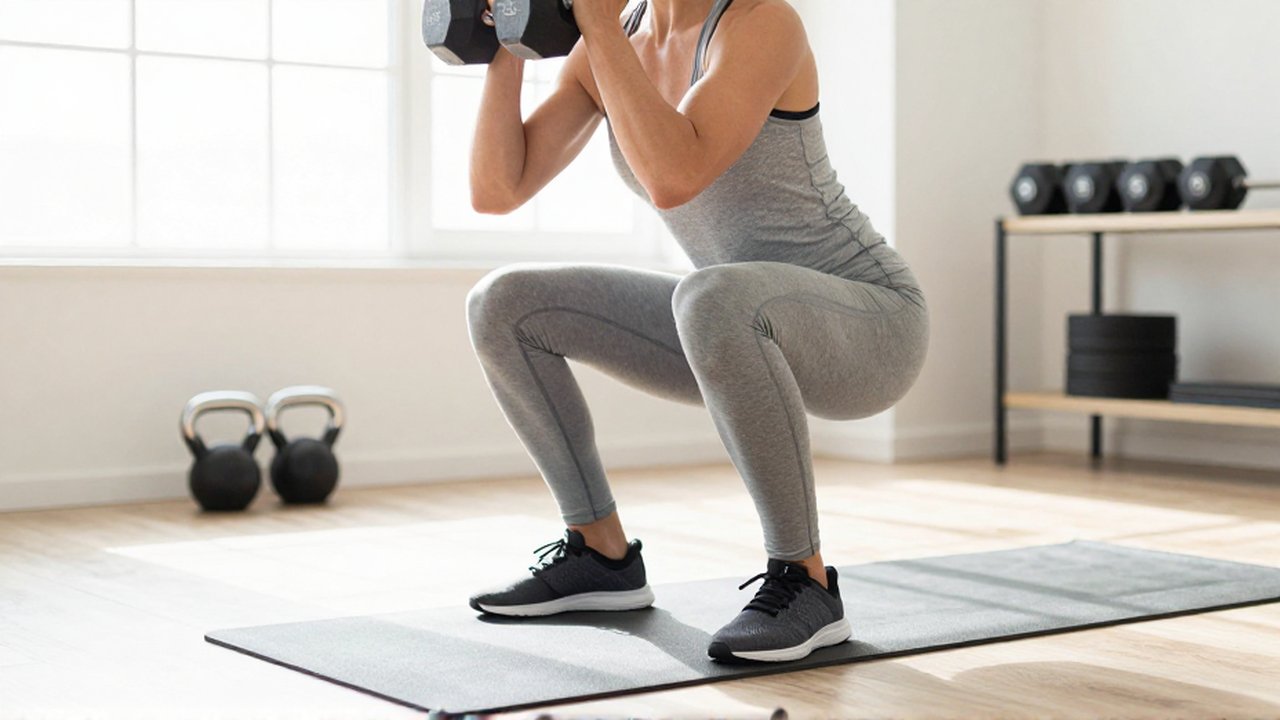
Resistance is the core component of weightlifting. Without it, the muscles lack the stimulus required to grow or strengthen. For a basic setup, you do not necessarily need massive machines; instead, focus on versatile tools that allow for various movement patterns.
Free weights are the most fundamental tools for any trainee. They include dumbbells, which are excellent for unilateral training (working one side of the body at a time) to correct imbalances, and kettlebells, which are ideal for functional movements that combine strength and cardiovascular endurance. If space allows, a barbell is the gold standard for heavy compound lifts like squats, deadlifts, and presses, as it allows for significant progressive overload.
Resistance bands serve as a highly effective and budget-friendly alternative or supplement. They provide constant tension throughout a movement and are particularly useful for warming up joints or adding difficulty to bodyweight exercises. Because they are portable, they are perfect for maintaining consistency when traveling.
Fundamental support and safety gear
While resistance tools build muscle, support equipment ensures that your body can withstand the stress of training. Using the correct gear can prevent common injuries related to grip fatigue, joint instability, or improper posture.
- Weightlifting belts: These are used to increase intra-abdominal pressure, which helps stabilize the spine during heavy lifts. They are a tool for safety rather than a requirement for every session.
- Wrist wraps: These provide stability to the wrist joint during pressing movements, preventing excessive extension that can lead to strain.
- Proper footwear: This is often overlooked. For weightlifting, flat-bottomed shoes or specialized lifting shoes provide a stable base. Avoid running shoes with thick, squishy soles when lifting heavy weights, as the instability can compromise your balance.
- Gym gloves or grips: For those focusing on high-volume pulling movements, these can help maintain a secure hold and protect the skin of the palms from friction.
Basic accessories for fitness and recovery
A complete training environment also requires tools that assist with mobility, measurement, and general conditioning. These items help bridge the gap between raw strength and overall physical wellness.
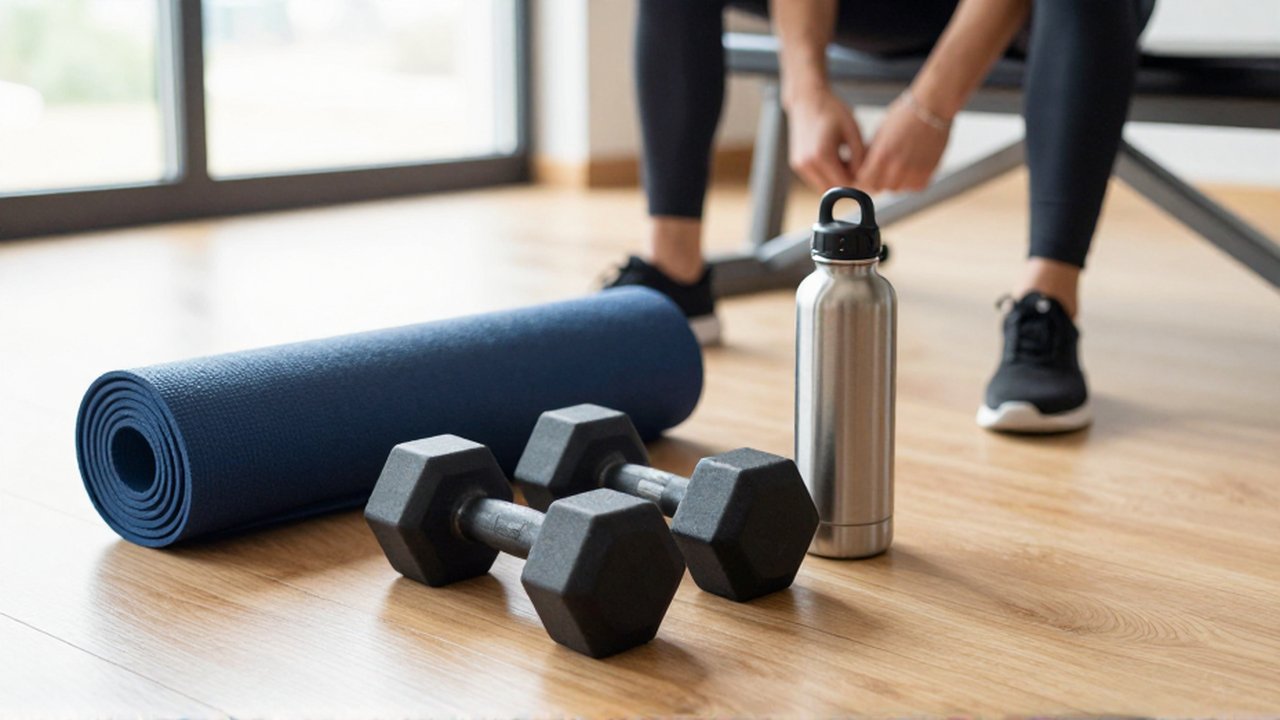
Yoga mats are essential for floor exercises, stretching, and core work. They provide cushioning for the spine and joints against hard surfaces. For those focusing on cardiovascular fitness alongside strength, a jump rope is a high-efficiency tool for warming up the body and improving coordination.
Tracking progress is another critical aspect of fitness. While not "equipment" in the traditional sense, having a notebook or a digital logging app is vital for monitoring the weight and repetitions you perform. This allows for documented progression, which is the key to long-term results. Additionally, staying hydrated is a fundamental requirement; having a reusable water bottle ensures that you can maintain intensity levels throughout your workout.
Common equipment mistakes to avoid
Many beginners fall into the trap of buying excessive or specialized equipment before mastering the basics. This can lead to cluttered spaces and wasted resources. Avoid purchasing complex, single-use machines if you have not yet established a foundation with free weights and bodyweight movements.
Another common error is neglecting the quality of foundational gear, such as shoes. Using worn-out or inappropriate footwear can lead to ankle and knee issues. Finally, do not rely solely on equipment to do the work for you; the most important tool in any training session is your ability to maintain proper technique and controlled movement.
Frequently asked questions
Can I start weightlifting without any equipment? Yes, you can begin with bodyweight exercises such as push-ups, squats, and lunges to build a baseline of strength and movement competence before introducing weights.
Is a weightlifting belt necessary for beginners? No, a belt is not mandatory for beginners. It is a specialized tool used primarily as one progresses to much heavier loads to assist with spinal stability. Focus on core strength first.
What is the best piece of equipment for home training? Adjustable dumbbells or a set of resistance bands offer the highest versatility for a small space, as they can replicate a wide range of gym exercises.
Should I buy specialized lifting shoes immediately? Not necessarily. If you are lifting light weights, standard flat-soled shoes are often sufficient. Specialized lifting shoes become more beneficial as you move toward heavy, technical lifts like the squat or clean and jerk.
Leave a Reply