How to use ice baths for muscle inflammation
Introduction
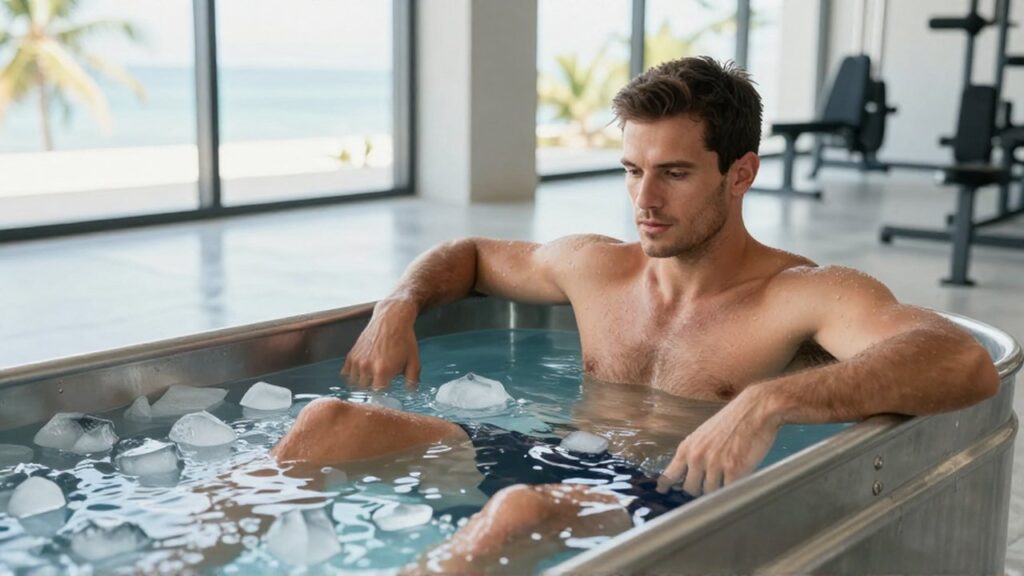
Ice baths, scientifically known as cold water immersion (CWI), are a popular recovery technique used by athletes and fitness enthusiasts to manage muscle inflammation and soreness. By submerging the body in cold water, you induce vasoconstriction, which helps redirect blood flow and limit the swelling response following intense physical exertion. This method is particularly useful after high-intensity training sessions, long-distance running, or competitive sports where micro-trauma to muscle fibers is common.
Understanding how to implement this practice correctly is essential for maximizing recovery while minimizing the risk of injury. When used appropriately, ice baths can reduce perceived muscle pain and help the body transition back to a state of homeostasis more efficiently. However, improper application—such as staying in too long or using extreme temperatures without preparation—can lead to unwanted physiological stress.
Benefits of cold water immersion for recovery
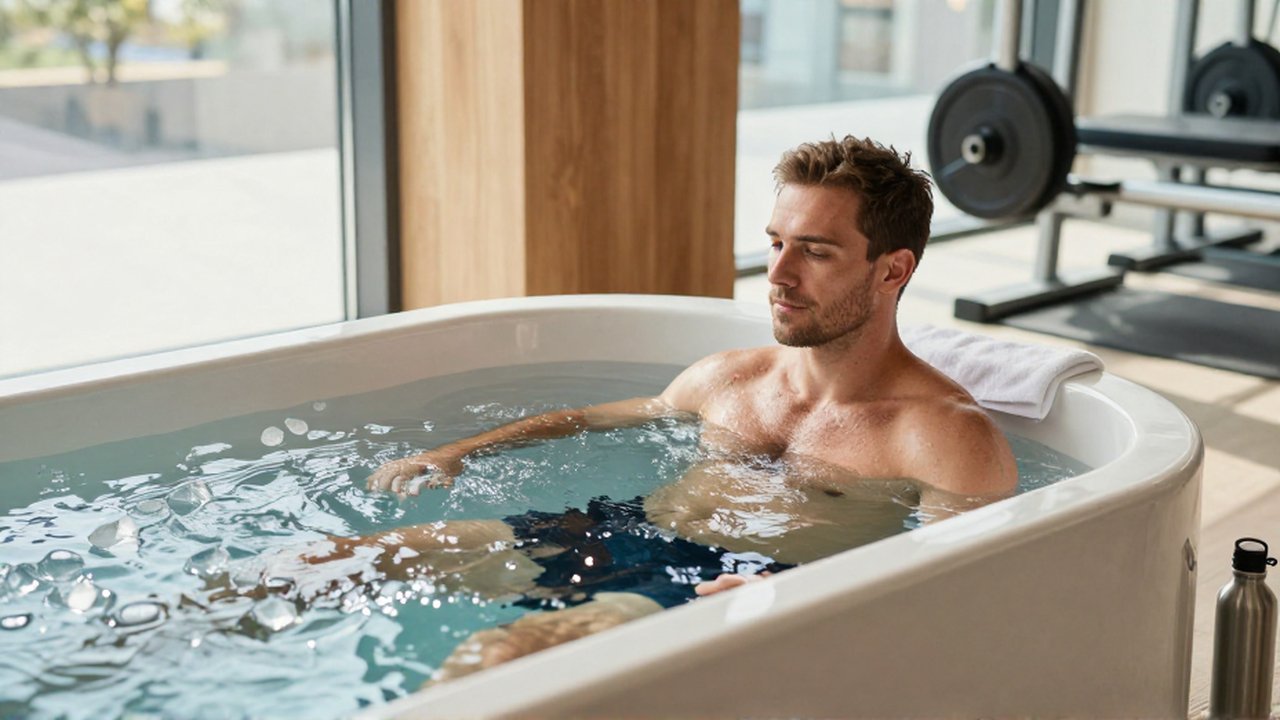
The primary purpose of an ice bath is to mitigate the inflammatory response that occurs after strenuous exercise. When muscles undergo intense stress, small tears in the tissue lead to localized inflammation, which can cause Delayed Onset Muscle Soreness (DOMS). Cold water immersion helps manage this through several mechanisms:
- Reduced Swelling: The cold temperature causes blood vessels to constrict, which limits the accumulation of fluid in the muscle tissues.
- Pain Management: Cold acts as a natural analgesic by slowing down nerve conduction velocity, effectively numbing the area and reducing the sensation of pain.
- Metabolic Waste Clearance: While the initial constriction limits flow, the subsequent vasodilation (when you exit the bath) helps flush out metabolic byproducts.
- Perceived Recovery: Many athletes report a psychological benefit, feeling more "refreshed" and ready for the next training session.
How to prepare an ice bath safely
Setting up an ice bath requires more than just throwing ice into a tub. To achieve the desired physiological effects without causing shock to the system, follow these practical steps:
- Prepare the equipment: You will need a large container, such as a bathtub, a dedicated cold plunge tub, or even a heavy-duty stock tank.
- Manage the water temperature: Aim for a temperature range between 10°C and 15°C (50°F to 59°F). While much colder temperatures are used by professionals, extreme cold is not always necessary for basic inflammation management.
- Add ice gradually: Fill the tub with water first, then add ice until you reach your target temperature. Testing the temperature with a thermometer is more reliable than guessing by feel.
- Safety check: Ensure you have a way to exit the bath easily and that someone is nearby if you are prone to lightheadedness.
Step by step guide for immersion
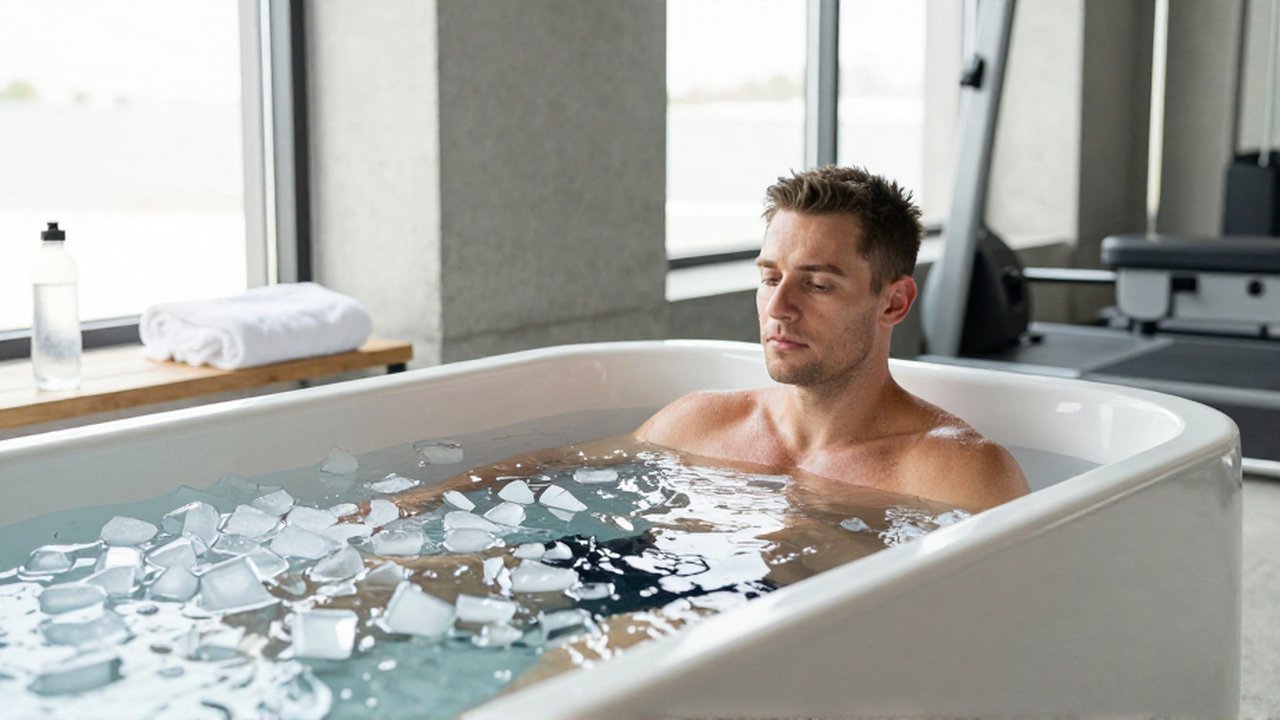
To get the most out of your session, your approach to entering and exiting the water matters. Follow this structured method:
- Controlled Entry: Do not jump into the water. Step in slowly to allow your body to adjust to the thermal shock. Focus on deep, controlled breathing to prevent hyperventilation.
- Immersion Level: For full-body recovery, submerge yourself up to the neck. If you are targeting specific muscle groups, such as legs after running, you can use a smaller container to submerge only those limbs.
- Duration: Keep the session relatively short. For most people, 10 to 15 minutes is the optimal window. Staying in significantly longer than 20 minutes increases the risk of hypothermia or skin damage.
- The Exit: When you finish, exit the water slowly. Do not immediately jump into a hot shower, as the rapid temperature swing can be taxing on the cardiovascular system. Instead, dry off and allow your body to warm up naturally through light movement.
Common mistakes to avoid
Many beginners make errors that can diminish the benefits of cryotherapy or increase physical risk. Be mindful of these frequent pitfalls:
| Mistake | Consequence | Better Approach |
|---|---|---|
| Overshooting duration | Risk of hypothermia or numbness | Stick to the 15-minute limit |
| Extreme temperatures | Severe thermal shock | Start with cool water and add ice gradually |
| Using ice baths for hypertrophy | May blunt muscle growth signals | Avoid ice baths immediately after strength training meant for muscle building |
| Ignoring pain signals | Potential for tissue damage | Exit immediately if you feel intense stinging or loss of sensation |
Frequently asked questions
Should I use an ice bath after every workout? It is not necessary to use an ice bath after every session. They are most effective after high-intensity training, competitions, or when you are feeling significant muscle soreness. Using them too frequently during a muscle-building phase might actually slow down the adaptation process.
Can I use an ice bath to reduce injury? While ice baths are excellent for managing inflammation and soreness, they are not a cure for acute injuries like ligament tears or fractures. If you suspect a serious injury, seek professional medical advice before attempting any form of immersion.
Is it better to use ice or just cold water? Cold water is often sufficient for basic recovery. Ice is primarily used to reach lower temperatures more quickly or to maintain a very specific, low temperature for longer periods.
How long should I wait after training to jump in? There is no strict rule, but many athletes find that waiting 15 to 30 minutes after a session—allowing the body to begin its natural cooling process—is a practical approach.
Leave a Reply