Guide to choosing weightlifting gloves for beginners
Introduction
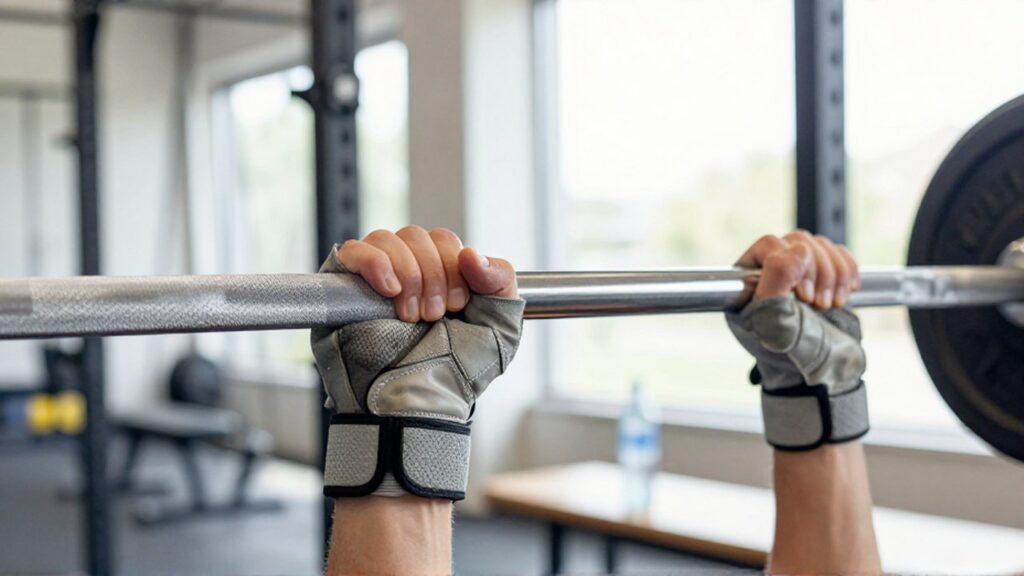
Weightlifting gloves are specialized pieces of fitness equipment designed to protect your hands while performing resistance training. As you begin your fitness journey, you may notice that gripping heavy dumbbells, barbells, or kettlebells can cause discomfort, skin irritation, or painful calluses. These gloves act as a protective barrier between your skin and the metal equipment, improving your overall experience in the gym.
Using gloves is particularly appropriate when you are focusing on hypertrophy or strength training, where holding onto heavy loads for extended periods is necessary. By providing a layer of cushioning and improved grip, they allow you to focus on your form and muscle engagement rather than the discomfort in your palms. For many beginners, choosing the right pair can make the transition from bodyweight exercises to weighted training much smoother and more sustainable.
Benefits of using weightlifting gloves
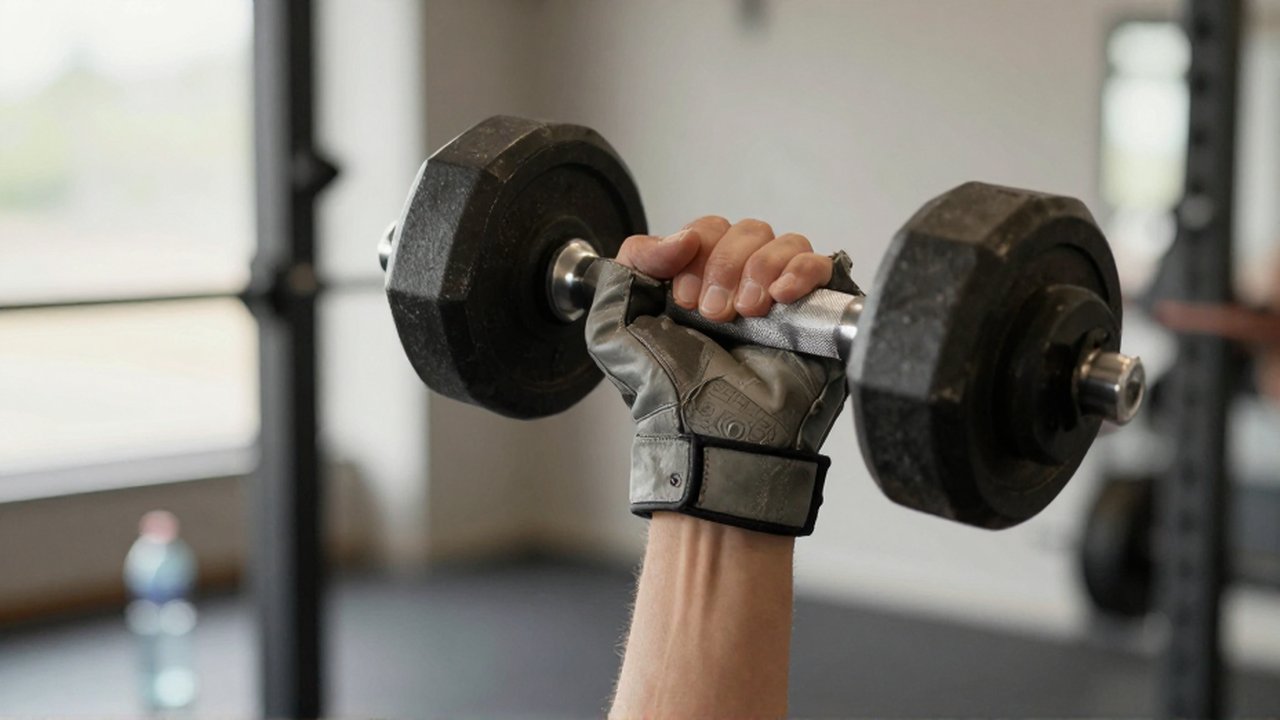
The primary reason beginners opt for gloves is to prevent the development of thick calluses and blisters. When your skin is repeatedly pressed against abrasive metal, it reacts by hardening, which can eventually lead to painful tearing. Gloves mitigate this friction by absorbing the contact.
Beyond skin protection, weightlifting gloves offer several functional advantages:
- Enhanced Grip: Most gloves feature specialized materials like silicone or textured leather on the palms, which helps prevent weights from slipping due to sweat.
- Improved Comfort: Padding in the palm area reduces the pressure applied to the nerves and small bones in the hand during heavy lifts.
- Hygiene: Using gloves can prevent direct contact with shared gym equipment, which may be covered in sweat from previous users.
Key features to consider when shopping
Not all gloves are created equal, and selecting the wrong type can lead to discomfort or even hindered performance. When evaluating options, pay close attention to the construction and materials used.
Material and Padding The palm is the most important part of the glove. Look for reinforced padding in areas that experience the most pressure, such as the base of the fingers and the center of the palm. Common materials include synthetic leather, suede, or specialized fabrics. Ensure the padding is not so thick that it makes your grip feel "clunky" or prevents you from feeling the weight properly.
Breathability and Ventilation A common mistake is choosing gloves that are too heavy or lack airflow. Your hands will sweat during a workout, and trapped moisture can lead to unpleasant odors or slippery hands. Look for gloves with mesh inserts or breathable backhand fabrics to help regulate temperature and moisture.
Fit and Closure Type A glove that is too loose will slide around, causing more friction and potentially compromising your safety. A glove that is too tight may restrict blood flow or make your hands feel cramped. Many weightlifting gloves use Velcro wrist straps, which allow for a customizable fit and can provide extra stability to the wrist area.
Determining your specific training style
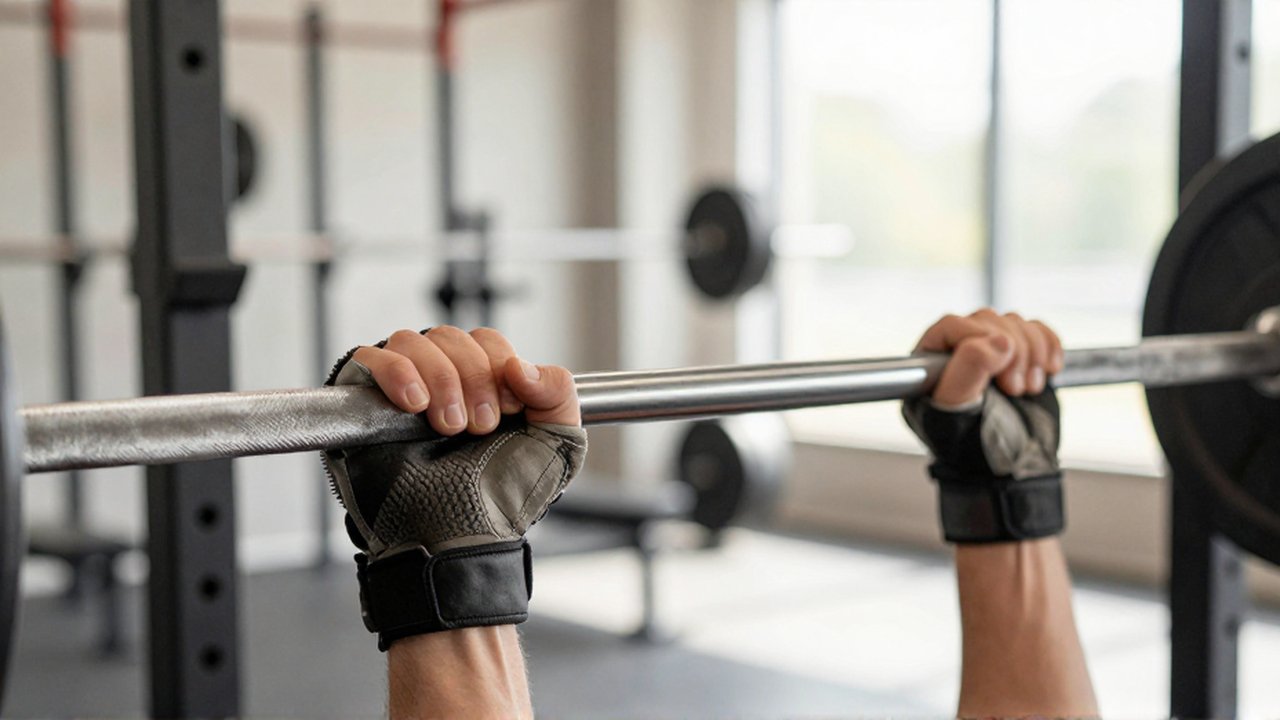
Your choice of gloves should align with how you intend to train. While "weightlifting" is a broad term, different disciplines require different types of hand protection.
If your routine consists primarily of high-repetition movements like bodybuilding or general fitness training, a standard padded glove is usually sufficient. These focus on comfort and callus prevention.
If you are moving toward more intense strength training or powerlifting, you might find that traditional gloves become too bulky. In these cases, many athletes prefer lifting straps or palm protectors instead. Palm protectors are often simpler, consisting of a strip of material that wraps around the hand, providing grip and protection without the full coverage of a glove. This allows for a more natural hand movement and better tactile feedback.
Common mistakes to avoid
Newcomers often make certain errors that prevent them from getting the most out of their equipment.
One frequent mistake is prioritizing aesthetics over functionality. A glove might look professional, but if the padding is uneven or the material is non-breathable, it will quickly become uncomfortable. Another error is ignoring the size guide. Always measure your hand circumference or follow the specific sizing instructions provided by the manufacturer to ensure a snug, secure fit.
Lastly, do not rely on gloves to fix poor technique. Gloves are a tool for comfort and protection, but they do not replace the need to learn how to grip a bar correctly or how to maintain proper hand positioning during lifts.
Frequently asked questions
Do weightlifting gloves help with grip strength? While they provide better friction through textured materials, they do not technically "increase" your physiological grip strength. However, they can allow you to hold weights more securely for longer periods by preventing slips.
Can I use weightlifting gloves for all types of exercises? Gloves are ideal for resistance training involving weights. However, they are generally not recommended for exercises that require high dexterity, such as certain gymnastics movements or complex calisthenics, as the padding may interfere with your movement.
How often should I replace my weightlifting gloves? Replacement depends on usage and wear. If the padding has become compressed and thin, or if the grip material has become smooth and slippery, it is time to invest in a new pair to ensure continued protection and safety.
Will wearing gloves prevent calluses entirely? While gloves significantly reduce the risk, they may not prevent them entirely, especially if the fit is imperfect or if you are performing extremely heavy lifts that cause intense pressure. They are a preventative measure rather than a total guarantee.
Leave a Reply