Comparison between cold plunges and warm baths
Introduction
Recovery is a fundamental pillar of any physical training program, especially for athletes in high-intensity disciplines like baseball or long-distance running. Choosing between cold plunges and warm baths is not merely a matter of preference; it is a strategic decision that affects how your muscles repair, how your nervous system responds, and how quickly you can return to peak performance.
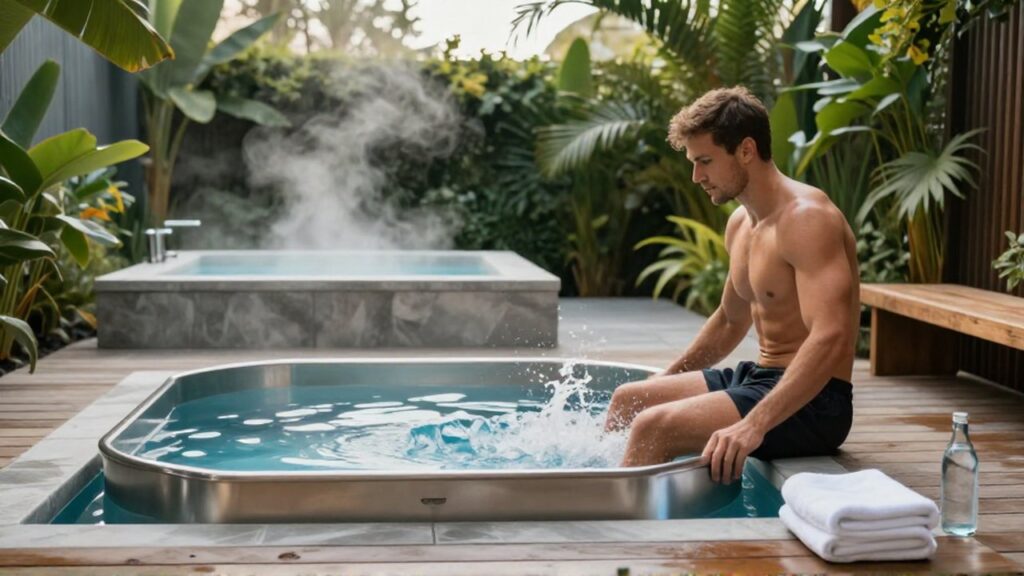
Cold plunges involve immersing the body in water at low temperatures, typically between 50°F and 59°F (10°C to 15°C), to induce physiological stress. Warm baths, on the other hand, utilize heat to promote relaxation and circulation. Understanding when to apply each method is essential for optimizing recovery cycles and preventing long-term injury.
Benefits of cold water immersion
Cold plunges are primarily utilized for their ability to combat inflammation and reduce acute muscle soreness. When you submerge your body in cold water, your blood vessels undergo vasoconstriction, meaning they narrow significantly. This process helps to limit swelling and reduce the inflammatory response that follows intense physical exertion.
Frequent users of cold therapy often report a reduction in delayed onset muscle soreness (DOMS). By restricting blood flow to the periphery, the cold helps to manage the metabolic byproducts that accumulate during a heavy training session. Additionally, cold immersion can provide a mental boost by stimulating the nervous system, helping athletes shift from a state of high stress to a state of controlled alertness.
Advantages of warm water therapy
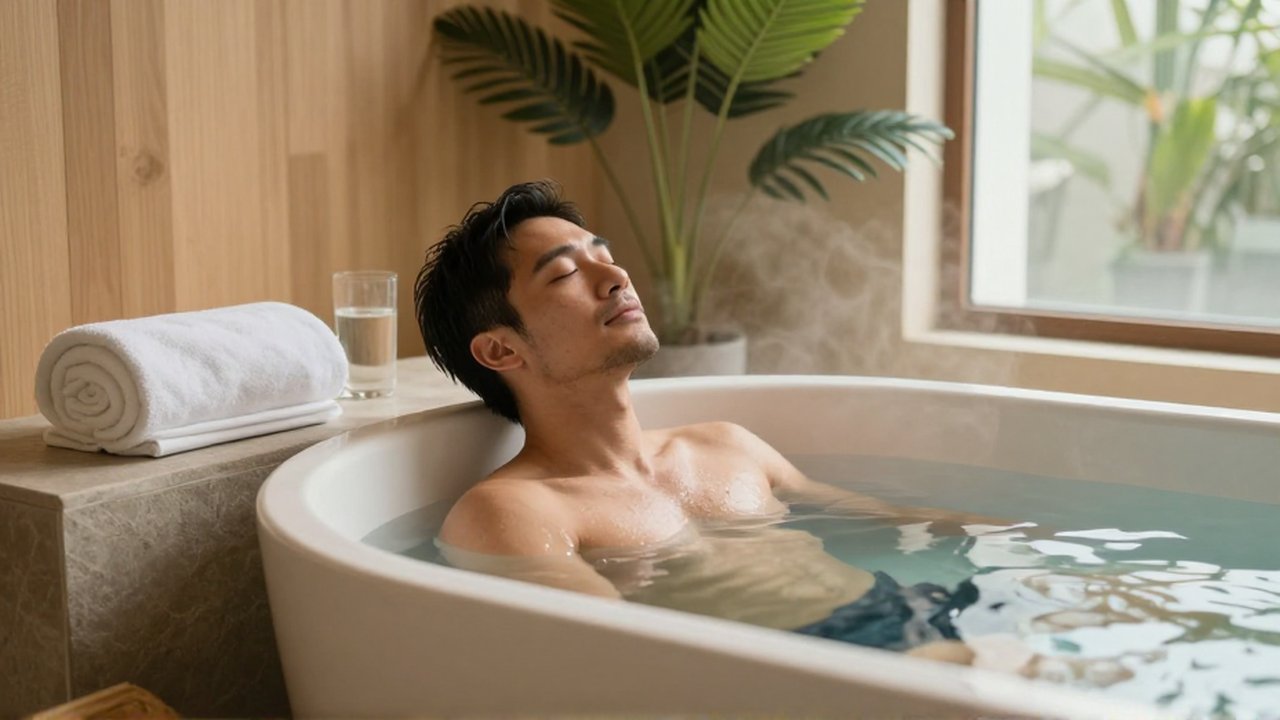
Warm baths serve a completely different physiological purpose, focusing on vasodilation rather than constriction. When the body is exposed to heat, blood vessels expand, increasing blood flow to the working muscles. This enhanced circulation is vital for delivering oxygen and essential nutrients to damaged tissues, which facilitates the long-term repair process.
Beyond the muscular benefits, warm baths are excellent tools for psychological recovery. Heat helps to decrease muscle tension and promotes the release of relaxation hormones, making it an ideal choice for the evening or following a period of high psychological stress. This method is particularly effective for improving sleep quality and transitioning the body into a parasympathetic state, which is necessary for deep restorative rest.
Key differences in recovery mechanisms
To decide which method to use, it is helpful to compare how they impact the body through different physiological channels:
| Feature | Cold Plunge | Warm Bath |
|---|---|---|
| Primary Action | Vasoconstriction (narrowing vessels) | Vasodilation (widening vessels) |
| Main Goal | Reducing inflammation and swelling | Increasing circulation and relaxation |
| Nervous System | Stimulates sympathetic response | Stimulates parasympathetic response |
| Best Timing | Immediately after high-intensity bouts | During rest days or before sleep |
| Muscle Impact | Numbs pain and limits acute swelling | Relaxes tension and aids nutrient delivery |
When to choose cold versus warm

The timing of your recovery method depends heavily on your training goals. If you have just finished a session characterized by high impact, heavy lifting, or intense sprinting, a cold plunge may be more beneficial to manage the immediate inflammatory response. It is a proactive way to "calm" the tissue after extreme stress.
However, if your goal is to promote long-term tissue remodeling or if you feel stiff and tight rather than acutely inflamed, a warm bath is superior. Using heat during a recovery day helps to gently flush out metabolic waste and softens the connective tissues. It is important to avoid using excessive heat immediately after an injury that shows significant swelling, as this could potentially exacerbate the inflammation.
Common mistakes and safety considerations
One of the most frequent mistakes in recovery is using the wrong temperature at the wrong time. For instance, using a hot bath immediately after a workout that caused significant swelling might increase discomfort. Conversely, relying solely on heat and ignoring the anti-inflammatory benefits of cold might lead to prolonged soreness.
Safety is paramount when experimenting with temperature extremes. When using cold plunges, it is important to monitor your breathing to avoid gasping or hyperventilating, which can be dangerous. When using warm baths, be mindful of hydration, as heat can lead to sweating and fluid loss. Always listen to your body's signals; if a temperature feels excessively painful or uncomfortable, the benefits are often outweighed by the stress it places on the system.
Frequently asked questions
Can I use both cold and warm therapy in the same session? Yes, this is often referred to as contrast therapy. Alternating between cold and warm water can create a "pumping" effect in the blood vessels, potentially improving circulation and helping with metabolic clearance.
How long should I stay in the water? For cold plunges, shorter durations of a few minutes are often sufficient to trigger the desired response. For warm baths, longer durations of 15 to 20 minutes are more common to allow for muscular relaxation.
Will cold plunges affect muscle growth? Some evidence suggests that very frequent cold immersion immediately after strength training might slightly blunt the hypertrophic (growth) signaling. If your primary goal is maximum muscle mass, you may want to separate cold plunges from your lifting sessions.
Is a warm bath better for sleep? Generally, yes. The rise and subsequent fall in body temperature after a warm bath can signal to the brain that it is time to sleep, aiding in a smoother transition to rest.
Leave a Reply