Criteria for buying professional baseball bats
Introduction
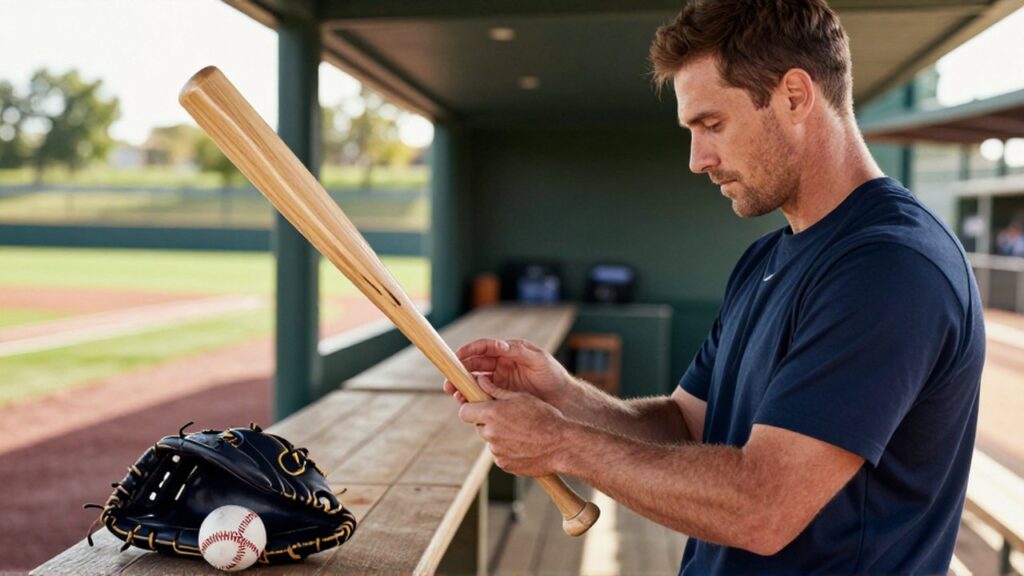
Selecting a professional-grade baseball bat is a critical decision that can significantly influence a player's performance at the plate. Unlike recreational equipment, professional bats are precision tools designed to optimize swing speed, contact consistency, and power transfer. Choosing the right one requires understanding the complex relationship between material composition, weight distribution, and individual swing mechanics.
The right choice depends on a variety of technical factors, ranging from the level of competition to the specific physics of the hitter's stroke. Because professional equipment often carries specific regulatory requirements and high price points, making an informed decision is essential to ensure both longevity and competitive advantage. An incorrect selection can lead to decreased bat speed or an increased risk of injury due to improper vibration or weight.
Material composition and durability
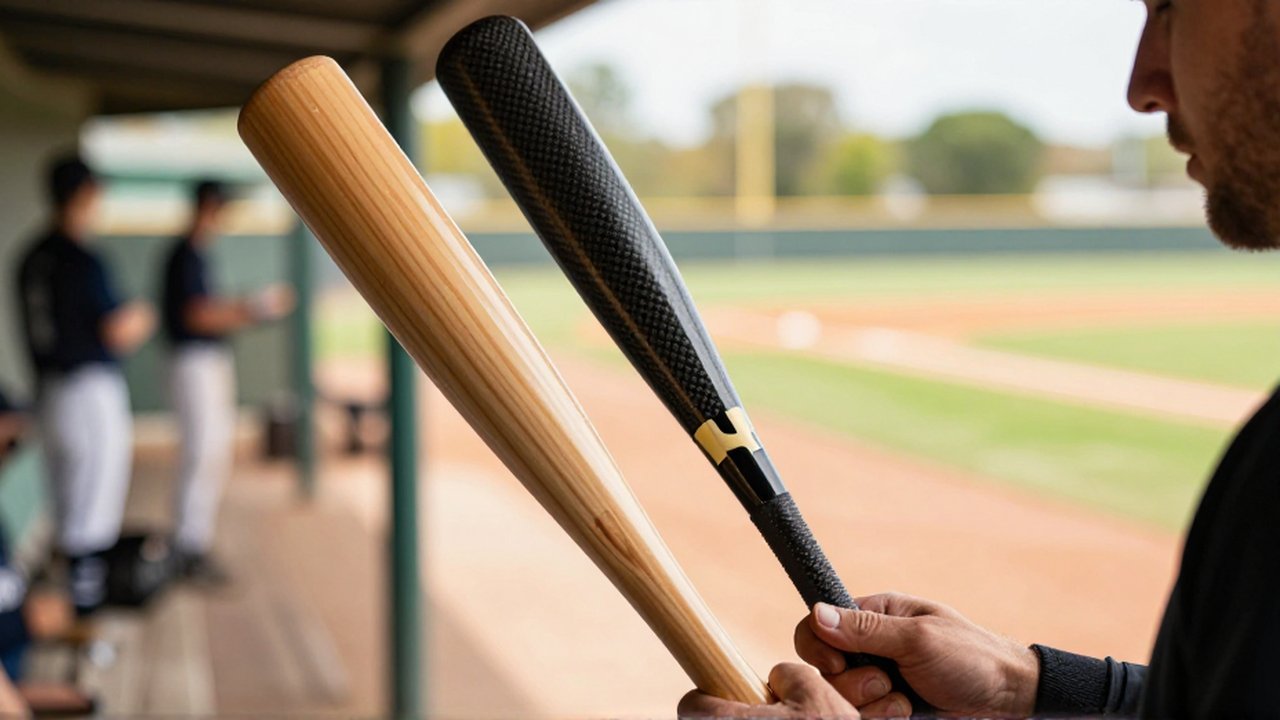
The first and most fundamental criterion is the material used to construct the bat. Professional players generally choose between two primary categories: wood and metal (aluminum or composite).
Wooden Bats Wood remains the gold standard in professional leagues, particularly in Major League Baseball. The choice of wood species affects the "feel" and durability. Ash is known for its flexibility and large grain, providing a great feel but being more prone to cracking. Maple is much denser and harder, offering more power and durability, though it can be stiffer and more punishing on the hands if the ball is hit off the handle. Birch serves as a middle ground, combining some of the flexibility of ash with the hardness of maple.
Metal and Composite Bats In many professional developmental leagues or high-level amateur circuits, metal bats are permitted. Aluminum bats are prized for their durability and "trampoline effect," which increases exit velocity. Composite bats, made from carbon fiber materials, are engineered to optimize the sweet spot and provide a more balanced weight distribution, though they are often subject to stricter regulations regarding their performance limits.
Weight and balance specifications
A bat's physical properties are defined by its weight and its balance point. These two factors dictate how a player will manipulate the tool during a swing.
- Weight (Swing Weight): It is not just about the total weight on a scale, but the "effective weight" felt during a swing. A heavier bat can generate more momentum and power, but if it is too heavy, it will significantly decrease bat speed and timing.
- Balance Type:
- End-loaded bats have more weight concentrated in the barrel. These are preferred by power hitters looking to maximize force.
- Balanced bats have a weight distribution closer to the handle. These are ideal for contact hitters who prioritize swing speed and control.
A common mistake is selecting a bat based solely on the desire for power. If the weight exceeds the hitter's ability to control the barrel, the result is often increased strikeouts and poor contact.
Handle diameter and grip ergonomics
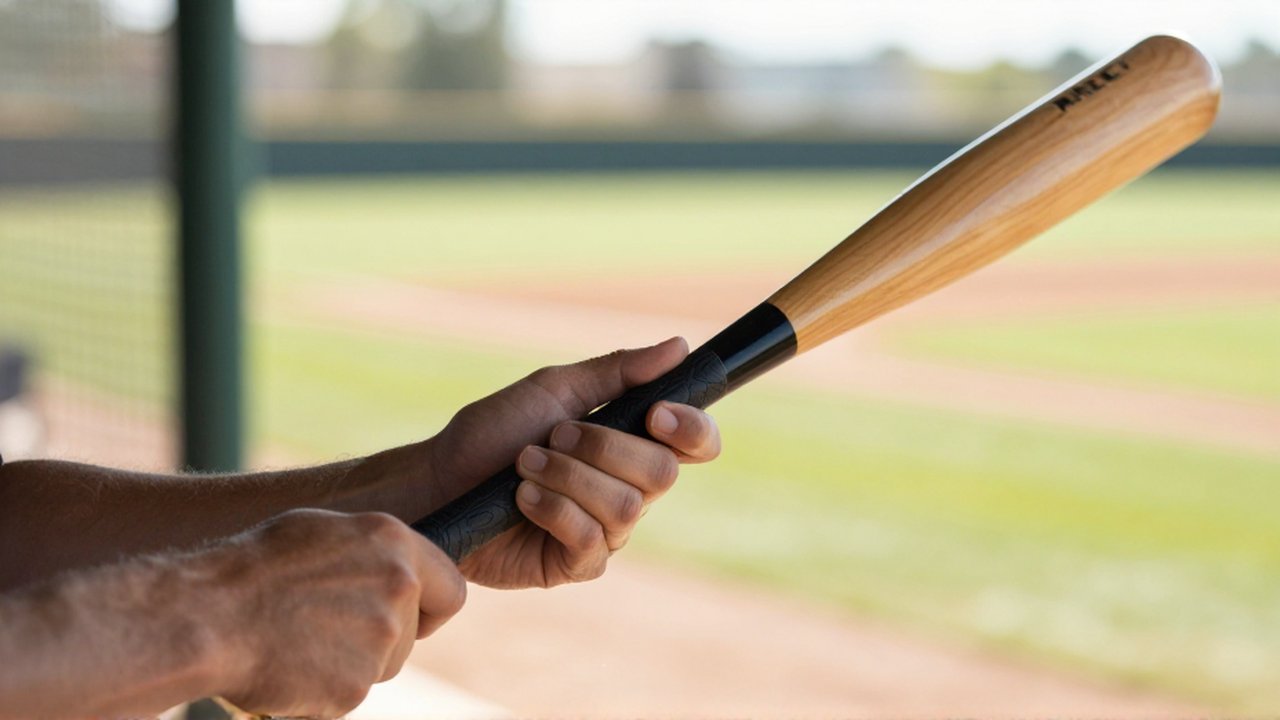
The connection between the player and the bat occurs at the handle. For professional players, the handle must feel like an extension of the arms.
The diameter of the handle must be consistent with the player's grip strength and hand size. A handle that is too thick can prevent a quick wrist snap, while a handle that is too thin may lead to excessive vibration and hand fatigue. Furthermore, the taper—the transition from the handle to the barrel—affects how the weight of the bat is felt. Professionals often test various taper profiles to ensure the bat feels "light" through the zone while still maintaining a substantial barrel.
Impact of barrel diameter and sweet spot
The barrel is the hitting surface, and its design determines the margin for error. A professional-grade bat should offer a well-defined "sweet spot," which is the area of the barrel that provides the most efficient energy transfer with the least amount of vibration.
The length and width of the barrel also play a role. A longer barrel provides a larger hitting surface but can increase the overall weight and difficulty in controlling the bat. When evaluating a bat, it is vital to consider whether the barrel's construction provides a consistent response across the entire surface or if the performance drops off sharply away from the center.
Frequently asked questions
How do I know if a bat is too heavy for me? If you find yourself consistently late on fastballs or if you cannot reach your full extension during your swing, the bat is likely too heavy. You should be able to maintain a controlled, rhythmic swing throughout a full practice session.
What is the main difference between maple and ash? Maple is harder and more durable, often producing higher exit velocities, but it is more prone to "shattering" if hit improperly. Ash is more flexible and provides more "give," making it easier on the hands, but it tends to dent and crack more easily over time.
Should I buy a bat based on what professional players use? Not necessarily. While professional players provide a benchmark for quality, their physical strength and swing mechanics are different from yours. You should choose a bat that complements your specific swing speed and contact style.
How often should a professional bat be replaced? This depends on the material. Wooden bats are consumables and are replaced frequently due to natural wear and breakage. Metal or composite bats can last longer, but they should be replaced if they develop cracks, significant dents, or if they no longer meet the regulatory performance standards of your league.
Leave a Reply